
REVIEW · GJIROKASTRA STONE CITY TOURS
Walking Tour “The Old Bazaar, Cfake, Dunavat, Ali Pasha Bridge”
Gjirokastër feels real beyond the main sights. This 3-hour walk focuses on the quarters many people miss, from the Old Bazaar down beneath the castle walls to the Ali Pasha Bridge, once part of an aqueduct system.
I like the way the route strings together places with clear purpose, not just photo stops. I also like that you get local context on what daily life feels like in these older neighborhoods, guided by people who know the streets on foot.
One thing to consider: you should expect uneven, sometimes rough ground. The tour notes the terrain is not so comfortable, so comfortable walking shoes really matter, and it’s also dependent on good weather.
In This Review
- Key highlights
- A route that goes under the castle, not just around it
- Timing and meeting point: plan for an active morning
- What to wear and how to prep for the ground
- Cerciz Topulli Square to the Old Bazaar beneath the walls
- Zerzebili Bridge: a crossing that changes the mood
- Cfaka: old houses, a Bektashi tekke, and hilltop scenery
- Ali Pasha Bridge: why the aqueduct story makes it click
- Guides who turn streets into stories
- English, group size, and what the format means for your day
- Weather and practical considerations (quick and honest)
- Should you book this Gjirokastër walking tour?
Key highlights
- Start at Cerciz Topulli Square, then immediately shift into older streets under the castle walls
- Old Bazaar area is described as no longer a bazaar, more like a living neighborhood of old homes and cobblestones
- Cfaka includes a Bektashi tekke, adding spiritual and cultural layers to the walk
- Zerzebili Bridge helps break up the route and frames the later viewpoint toward Ali Pasha Bridge
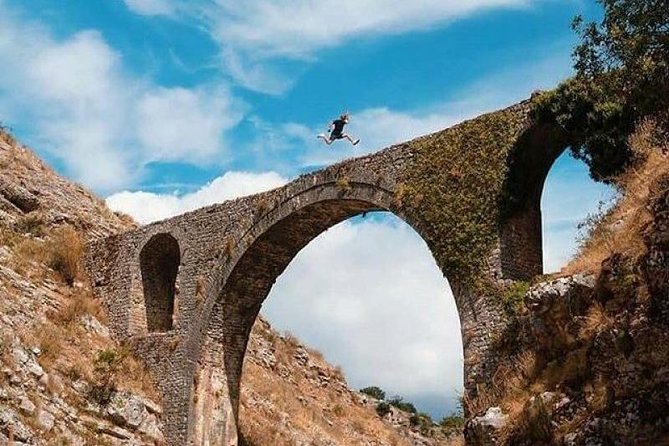
- Ali Pasha Bridge is tied to a 200+ year aqueduct, built by Ali Pashe Tepelena to supply the castle with water
Gjirokastra walked, compared and priced
- Walking Tour Baazar – The Argjiro Castle – Zekate house★ 4.5 · 18 reviews
- Wood Crafting Experience in Gjirokastra★ 4.5 · 10 reviews
- Walking Tour “The Old Bazaar, Cfake, Dunavat, Ali Pasha Bridge”★ 5.0 · 10 reviews
- 2-Hours Guided Drino’s Valley Ride★ 4.5 · 5 reviews
- Gjirokaster – The Stone City of UNESCO, Private Tour from Tirana★ 4.5 · 4 reviews
A route that goes under the castle, not just around it
Gjirokastër’s most famous view is easy to collect. This walk is different. It focuses on the part of town that lives at street level, below the castle walls, where the lanes narrow, the stones get old, and the buildings feel close enough to read.
The tour also aims at the kind of history you can picture. You’re not just told dates and names. You’re shown a route shaped by real needs, like water supply and neighborhood growth. The highlight, Ali Pasha Bridge, isn’t treated like an isolated monument. It’s explained as a surviving piece of the aqueduct Ali Pashe Tepelena built more than 200 years ago to bring water to the castle. That makes the bridge feel practical, not just scenic.
Timing and meeting point: plan for an active morning
This tour runs for about 3 hours and starts at 9:30 am. It meets at Experience Gjirokastra, Rruga Gjin Zenebisi, Gjirokastër, Albania, and it ends back at the meeting point.
Because it’s a walking tour, your day needs to stay flexible. You’re going to move at a steady pace along cobblestones and older streets. Even if you’re an easy walker, you’ll want time buffer before or after, so you’re not sprinting to the next stop.
What to wear and how to prep for the ground
The tour is clear about one thing: the route has not so comfortable terrain. That usually means uneven paving, slopes, and old neighborhood streets where you’ll feel every step.
My practical advice is simple:
- Wear supportive sneakers (not fashion shoes).
- If you have any balance issues, take it slow on the cobblestones.
- Bring a small water bottle, especially in warmer months.
If the weather isn’t great, expect an adjustment. The experience requires good weather, which is often the difference between a steady walk and a slippery mess.
Cerciz Topulli Square to the Old Bazaar beneath the walls
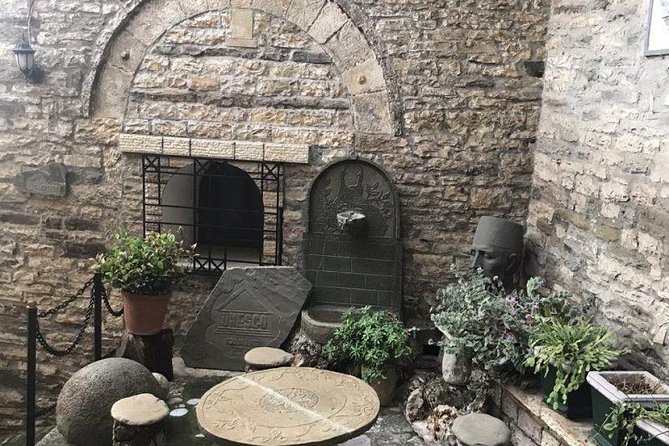
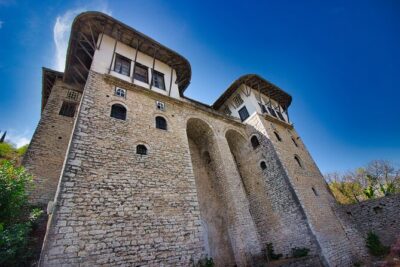
You begin in the center of the old town at Cerciz Topulli Square, then head toward the Old Bazaar area. Here’s the interesting twist: this stop is not a bazaar anymore. It’s a neighborhood that carries the older feel of a trading quarter, now mostly known for cobblestone streets and some of the oldest houses in the area.
This first stretch matters because it sets the tone. You start in the well-known core, then transition out into the quieter part beyond the castle walls. The tour describes this area as the first neighborhood outside the walls of the castle, which helps you understand how the town expanded. You’re not just walking for views, you’re tracking how the city grew outward.
What you’ll likely notice right away is the difference in street character. Under the castle, lanes can feel tighter, the houses closer together, and the stones underfoot older. If you like architecture you can touch, this is a good place to slow down and look up.
More of Albania taken at walking pace
Zerzebili Bridge: a crossing that changes the mood
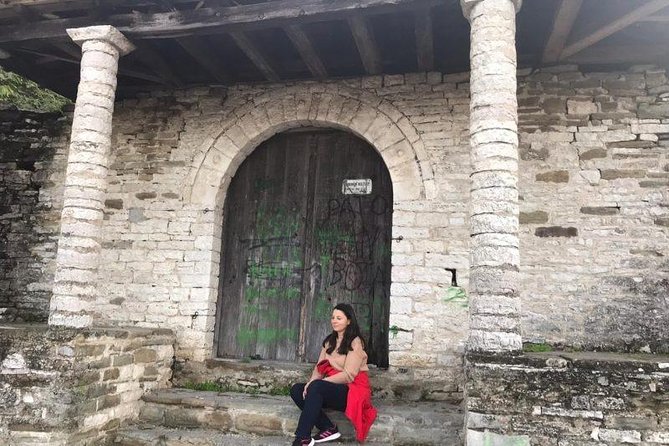
After the Old Bazaar area, the route goes over Zerzebili Bridge. It’s not just a point on the map. A bridge is a natural break in any walking story, and this one helps you move from the first set of older lanes into another ancient neighborhood.
Bridges also tend to give you moments of framing. You get a different angle on the surrounding buildings and the street layout. Even if you’re not chasing photos, these crossings help you reset your pace and take in where you are.
In practice, expect this section to feel like the tour’s hinge point. The start focuses on the old walls and houses. Then you cross, and the walk transitions into Cfaka, where the tour adds cultural context and more open views.
Cfaka: old houses, a Bektashi tekke, and hilltop scenery
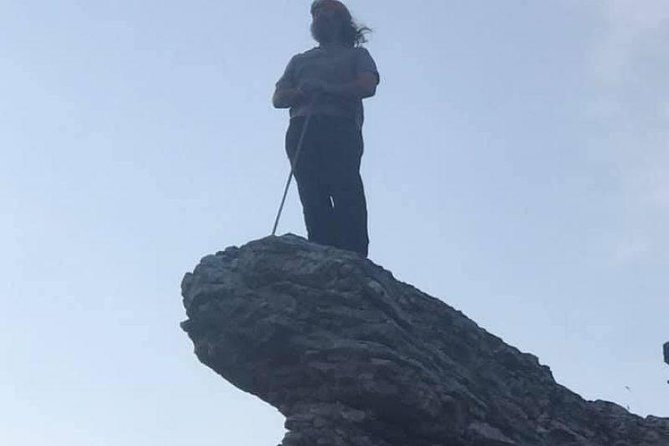
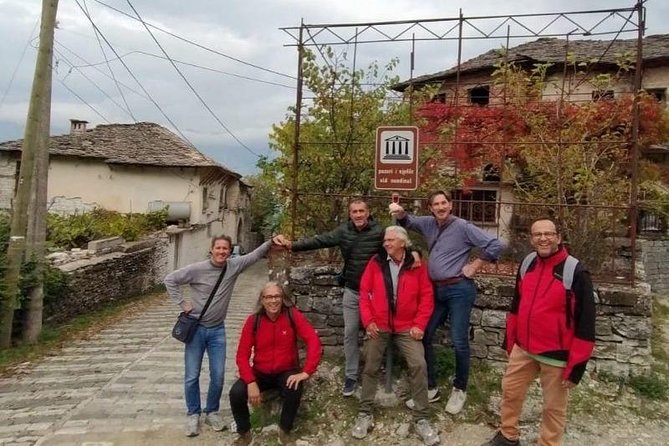
Next comes Cfaka, described as another ancient neighborhood in town. This is where the walk gets especially rewarding if you enjoy details that connect places to people.
The tour points out old houses that are in the first monument category, plus a tekke belonging to the Bektashi Order. A tekke is a sacred meeting place tied to the spiritual tradition of the Bektashis, and including it on a walking route like this changes how you read the neighborhood. Instead of only seeing stone and age, you start seeing meaning.
Cfaka is also described as a combination of built environment and nature. Think hillsides with sheep on top of the hills, plus older houses below. That blend is part of why the area feels different from the crowded lanes inside the most visited parts of town. You get a sense of how life still connects to the surrounding terrain.
One more practical point: this is the kind of neighborhood where you may notice small paths and changes in elevation. Plan to take the walk seriously. If you rush, you might miss the best viewpoints the guide is steering you toward.
Ali Pasha Bridge: why the aqueduct story makes it click
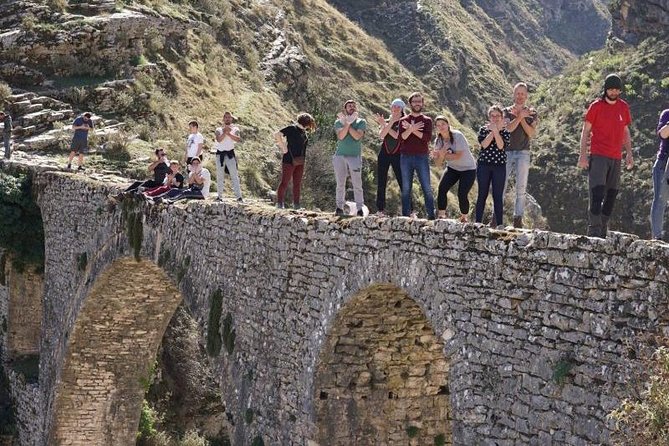
The final destination is Ali Pasha Bridge, presented as a remaining section of the aqueduct built by Ali Pashe Tepelena over 200 years ago to bring water to the castle.
This explanation is what turns the bridge into more than a destination. Aqueducts are engineering. They are water management. They are about how people solved a daily problem, year after year, in a specific landscape. When your guide ties the bridge to that larger water system, the stonework starts to make sense in your head.
One of the most helpful ways guides handle the last stretch is by choosing the route that helps you see the bridge from promising angles. The tour specifically warns that reaching the actual bridge involves difficult terrain, so the guide may route you through neighborhoods that lead to a spectacular view rather than forcing you straight onto the toughest ground too early.
That approach is smart for visitors. You still get the payoff, but you’re not constantly struggling for footing. It’s a small detail, but it strongly affects how enjoyable the ending feels.
Guides who turn streets into stories
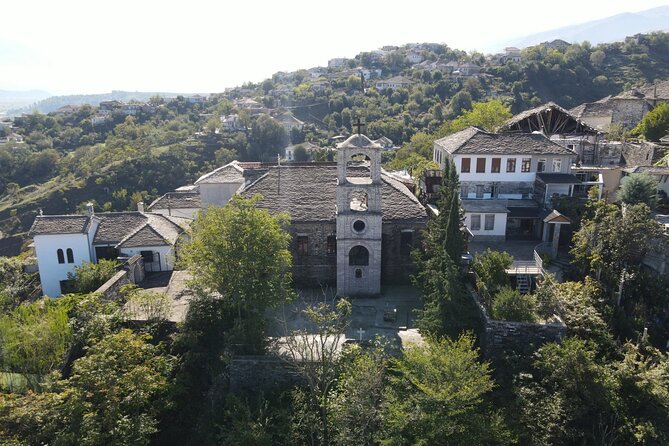
The big strength here is the guiding. Multiple named guides show up with a consistent theme: they keep it lively, and they explain the places in a way that feels like walking with people who care.
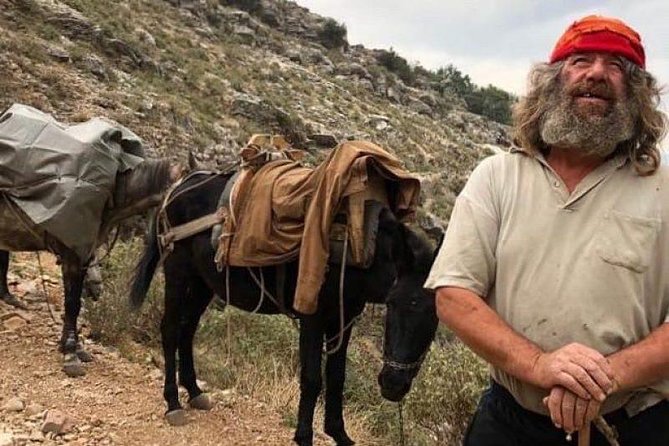
You might meet Marco and Mario, and the tone is described as more like hanging out with knowledgeable friends than sitting through a dry lecture. Another guide you could encounter is Arli, praised for explaining the historical significance of neighborhoods and also warning you ahead of time about the terrain. That kind of honesty helps you feel confident when a route gets uneven.
You could also get Viki, described as an excellent guide who tailors the schedule based on interests and brings the history and architecture alive with humor and personal experience. When a guide is from the town, the streets can feel less like a museum and more like a living place with continuing routines.
Even if you don’t catch a specific name, the pattern matters: you should expect clear storytelling and thoughtful pacing, especially as you approach the Ali Pasha Bridge area.
English, group size, and what the format means for your day
The tour is offered in English and uses a mobile ticket. It runs with a maximum of 30 participants, which usually means you can hear your guide without fighting for attention all the time.
At $18.06 per person, you’re paying for a guide plus a structured 3-hour route through older neighborhoods. What makes it feel like value is that the tour isn’t limited to one iconic photo point. It strings together multiple parts of town that help you understand how Gjirokastër developed beyond the castle perimeter. For a price at this level, that kind of connected route is exactly what I’d look for.
Weather and practical considerations (quick and honest)
This experience requires good weather. If conditions are poor, you’ll be offered a different date or a full refund. The other practical consideration is walking comfort. Even if most people can participate, the terrain is not engineered for easy strolling, so plan to walk with care.
Should you book this Gjirokastër walking tour?
Book it if you want the version of Gjirokastër that feels lived-in. You’ll likely enjoy this most if you like cobblestones, old houses, and neighborhood stories that connect architecture to everyday life, not just big monuments.
Skip or reconsider if you have limited tolerance for uneven walking surfaces. Since the tour includes a warning about not so comfortable terrain, it’s better suited to people who can handle stairs, slopes, and rough ground for a few hours.
If you want one simple deciding question, ask yourself this: do you want to walk the streets under the castle and finish at Ali Pasha Bridge with context on the aqueduct? If yes, this is a strong choice.
More Albanian Tours, Rated



More of the Stone City

Every Albania Review We Have

Latest Albania reviews off the desk
- Gjirokastra Private Half-Day Walking Tour
★ 5.0 · 3 reviews - Gjirokaster – The Stone City of UNESCO, Private Tour from Tirana
★ 4.5 · 4 reviews - Private Cold War City Tour in Gjirokaster
★ 4.5 · 4 reviews - 2-Hours Guided Drino’s Valley Ride
★ 4.5 · 5 reviews - Prepare Osa with Teta Marjeta
★ 4.5 · 7 reviews - Wood Crafting Experience in Gjirokastra
★ 4.5 · 10 reviews
Gjirokastra Stone City Tours, compared.
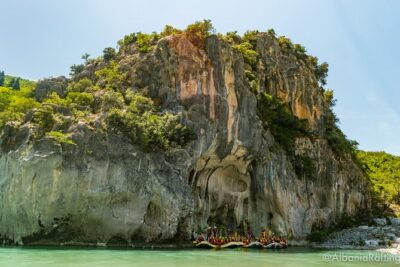 ★ 5.0Rafting Vjosa River Gjirokastër Albania ARGFrom $54199 reviews
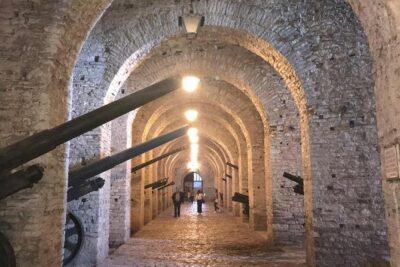 ★ 4.5Gjirokastra- The Stone City & Blue Eye- The monument of Nature.From $71180 reviews
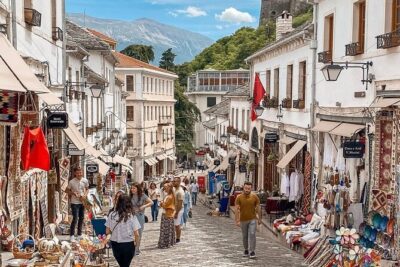 ★ 5.0Gjirokastra UNESCO & Ksamil Beach – From Tirana/Durres/GolemFrom $58117 reviews
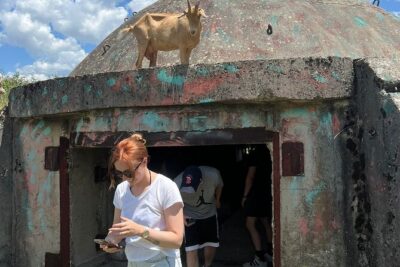 ★ 5.01-Day Tour in Blue Eye, Monastery, Gjirokaster and Lekursi CastleFrom $4476 reviews
 ★ 4.5Gjirokastra, Blue Eye, Ksamil & Saranda – Day Tour from TiranaFrom $19847 reviews
 ★ 5.0Blue Eye, Gjirokaster & Lekures | Private & Small Group ToursFrom $13444 reviews
 ★ 4.5Tour Gjirokaster,Blue Eye & Lekursi CastleFrom $4139 reviews
 ★ 5.0Private Day Tour of Saranda Gjirokaster and Butrint from TiranaFrom $25138 reviews
Browse the lists this tour appears in