
REVIEW · ALBANIAN FOOD, WINE & RAKI
Vegetarian Cooking Class @Teta Marjeta
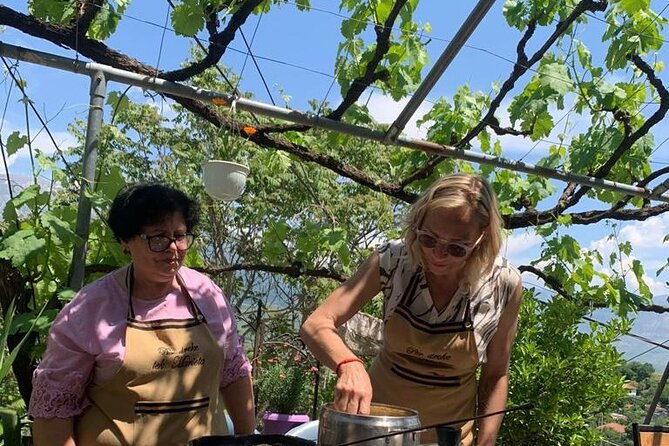
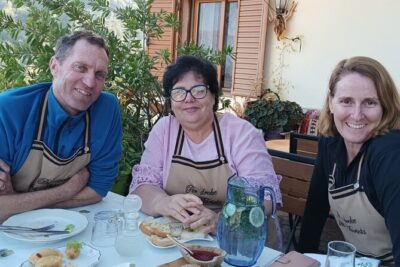
Cooking in Gjirokaster feels like a family dinner. This class is run out of Marjeta’s home, where you get a welcome sip, cook three Gjirokaster-style dishes, then eat what you make with your guide. You start at Cerciz Topulli square, walk into one of the oldest parts of town, and spend about 2 hours 30 minutes learning how local vegetarian comfort food comes together.
I also love the small-group feel, topping out at 10 people, so you are not lost in the crowd. One thing to consider: you only learn a focused menu (salad plus three recipes), so if you want a super long, extra-dishes cooking marathon, this is more “hands-on, then sit down” than “cook nonstop.”
In This Review
- Key highlights you will actually care about
- Entering Gjirokaster’s old streets, then Marjeta’s doorstep
- Marjeta’s kitchen: raki welcome, English instruction, and a tiny group
- The menu you will cook: salad, Qofte Bobollaqe, Qifqi, Hasude
- Starter: Salad of the season
- Main: Qofte Bobollaqe
- Main: Qifqi, a Gjirokaster-only specialty
- Dessert: Hasude
- You also eat what you make
- Lunch with a local pour: wine, raki, or soft drink
- The recipe handout that helps you cook it again
- Price, value, and what you get in 2 hours 30 minutes
- Who this vegetarian cooking class is perfect for
- What to watch for before you book
- Should you book Teta Marjeta’s vegetarian class?
- FAQ
- Where does the vegetarian cooking class start?
- How long does the experience last?
- Is lunch included?
- What is on the menu?
- Is the class offered in English?
- How many people are in a class?
- What drinks are included with the meal?
- Do I get recipes to take home?
- Do I need a printed ticket?
- What is the cancellation policy?
Key highlights you will actually care about
- A home-kitchen experience in Gjirokaster, not a commercial classroom
- Three specific vegetarian recipes: Qofte Bobollaqe, Qifqi, and Hasude
- Starter salad of the season made ahead and served with your meal
- Complimentary drink with lunch, either wine, raki, or a soft drink
- Recipe handout at the end, so you can cook again at home
Where else to eat well and pour raki in Albania
- Vegetarian Cooking Class @Teta Marjeta★ 5.0 · 11 reviews
Entering Gjirokaster’s old streets, then Marjeta’s doorstep
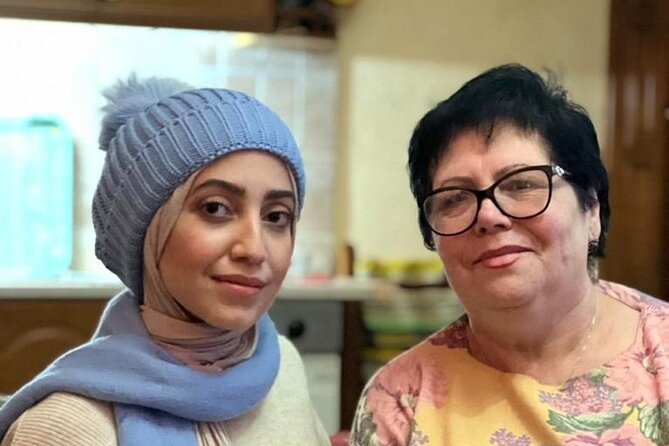
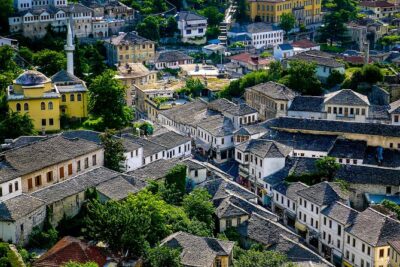
Most food tours in Albania start with a meeting point and a quick walk. This one starts with a proper little transition, from urban bustle into older neighborhood textures. You meet at Cerciz Topulli square (the provided pinpoint is ATM34FR+V28 on Rruga Gjin Zenebisi), then head over to one of the oldest areas of town, Pazar i Vjeter.
That short walk matters more than it sounds. It gives you a mental picture of where these recipes belong. Gjirokaster is not just pretty stone buildings. It is also the routines around markets, seasonal ingredients, and kitchens that have served generations. By the time you arrive at Marjeta’s place, you are already in the right frame of mind: food as daily culture, not just a show.
The timing also helps. The whole experience runs about 2 hours 30 minutes. That is long enough to cook, eat, and chat. It is short enough that you do not feel stuck all afternoon, especially if you are also planning to explore Gjirokaster’s sights before or after.
Marjeta’s kitchen: raki welcome, English instruction, and a tiny group
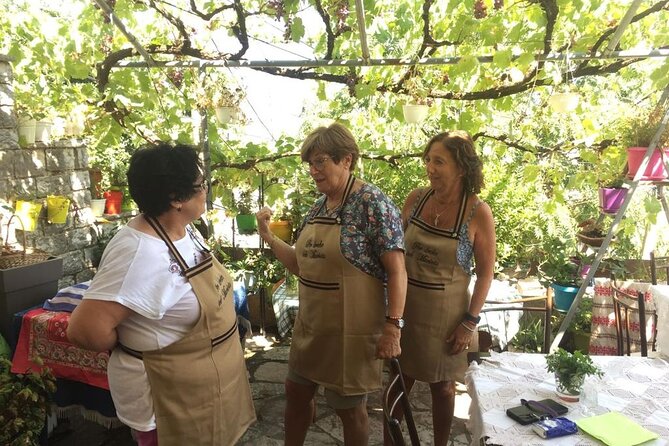
The class is capped at a maximum of 10 travelers. That is a sweet size. You can hear what is going on, ask questions, and still move around without bumping elbows with half the city.
You step inside Marjeta’s home and start with a sip of raki made by her husband. It sets the tone right away. This is not a sterile cooking demo. It is an open-door welcome, with local hospitality built into the first five minutes.
Instruction is offered in English, and your guide is there to keep things clear from start to finish. In past sessions, visitors have also enjoyed the support of an English translator, especially when questions get detailed. Either way, expect explanations to come with real talk, not just hand gestures and vague directions.
Practical note: since this is in a home, it is not designed like a restaurant kitchen. You will likely work in a smaller space, close to the cooking action, and you will probably share tools and counter space. If you are comfortable cooking alongside strangers in a friendly way, you will love the vibe.
The menu you will cook: salad, Qofte Bobollaqe, Qifqi, Hasude
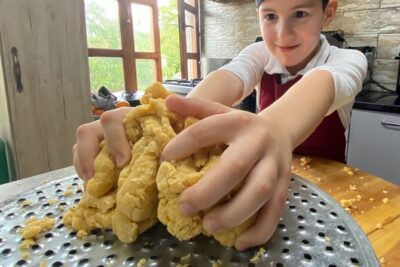
This class is vegetarian, with a menu built around three taught recipes plus a seasonal salad. I like that structure because it keeps you focused. You are not trying to learn ten things at once. You learn a small set deeply enough that you can reproduce it later.
Starter: Salad of the season
You begin with the salad of the season. Marjeta has already prepared this in advance, so you are not chopping your life away for the opening course. Think of it as the bright, fresh start that balances the heartier dishes to come.
It also gives you a quick win: you get food in front of you early, then you shift into cooking mode. That matters because the rest of the class requires attention and coordination.
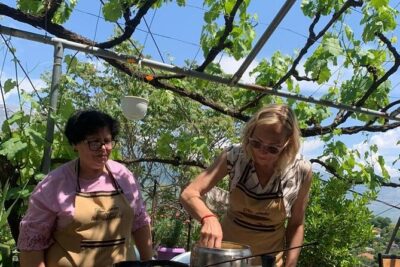
Main: Qofte Bobollaqe
The first dish you learn is Qofte Bobollaqe. The key ingredient is yogurt. From the name alone you can expect something creamy, tangy, and satisfying.
Even if you do not cook much at home, yogurt-based dishes are often easier than they look. They tend to forgive minor timing issues. More importantly, it is the kind of flavor you can recreate if you buy good yogurt and treat it gently.
Main: Qifqi, a Gjirokaster-only specialty
Next comes Qifqi. This one is described as the traditional food found only in Gjirokaster, and it is mainly rice-based. That is a big deal. When a dish is local to one city, learning it in that city gives you context you cannot get from a generic recipe online.
Rice-based cooking can be tricky if you have never timed it right. Here, you are guided through the process, and you get to see how the texture should feel. That tactile part is what makes classes valuable. You learn what to look for, not just what to follow on paper.
Dessert: Hasude
Then you wrap with Hasude, the dessert. In a cooking class, dessert can feel like an afterthought. Here, it is part of the core learning, which is great if you want the full arc from starter through sweet ending.
Hasude being included also means you are not only leaving with savory skills. You get a complete vegetarian menu idea that feels balanced, not like a side project.
You also eat what you make
All of these are accompanied by the salad of the season. Then, after the cooking, you sit down with your group and your guide to savor each dish.
That is the part I always look for. Cooking is fun, but tasting is where the experience becomes real. You will leave knowing how the menu is supposed to taste together, not just how each dish behaves on its own.
Lunch with a local pour: wine, raki, or soft drink
Once the cooking is done, the class turns into a meal. This is where the mood shifts from chopping and stirring to chatting and relaxing.
You are offered a complimentary glass of wine, raki, or a soft drink with lunch. I like that choice. Some people want to taste the local spirit. Others want something light for the walk after. It is an easy way to include everyone without forcing one style.
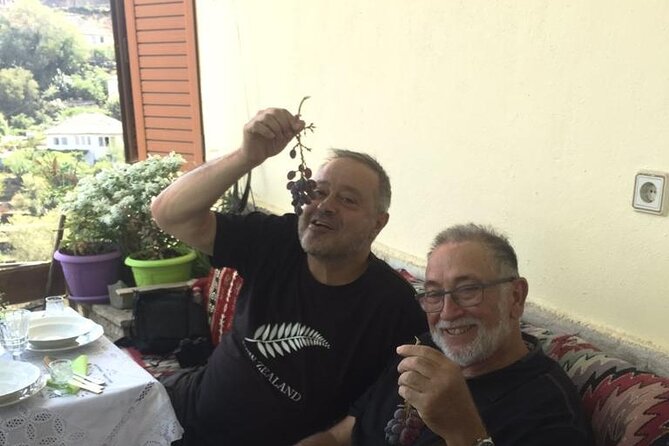
Also, there is a real social rhythm here. You eat as a group, and you get time to talk with your guide and with Marjeta. That conversation piece is not fluff. It is how you pick up the tiny cultural clues, like what people consider comfort food versus special occasion food.
One bonus from real-life sessions: some participants have ended up with leftovers. That is not guaranteed in the information I was given, but if Marjeta is cooking with generosity, it can happen. Either way, plan to eat well and expect to feel satisfied.
If you care about photos, this tends to be a friendly moment for pictures. One past participant even noted getting nice photos taken during the experience.
The recipe handout that helps you cook it again
Here is the practical win: at the end, you receive a recipe of what you cooked. So you are not leaving with only a memory and a camera roll. You leave with a plan for making it at home.
That recipe handout is especially useful for dishes like Qifqi. When a dish is described as traditional and local to a specific place, it can be hard to find clear instructions elsewhere. Having your guide’s version in a usable format is what turns a class into a skill.
You can think of the class as a template. Once you have the base steps and flavor logic, you can adapt ingredients to what you can buy. That is how you get real value from a cooking experience without needing to fly back every time you crave yogurt-based comfort.
Price, value, and what you get in 2 hours 30 minutes
The price is $56.59 per person, with lunch included. For 2 hours 30 minutes, in a home setting with instruction, food you cook, and a recipe handout, I see this as fair value.
Here is what you are really paying for:
- Access to a real home kitchen, led by Marjeta
- Instruction in English for multiple recipes, not a quick tasting
- A full vegetarian menu experience, including dessert
- Lunch with a complimentary drink
- A takeaway recipe so you can recreate it later
The maximum group size of 10 helps justify the price. You are more likely to get time and attention than you would in a huge group.
Booking tends to happen about 6 days in advance on average, so if your dates are tight, you will want to lock it in earlier rather than later.
Who this vegetarian cooking class is perfect for
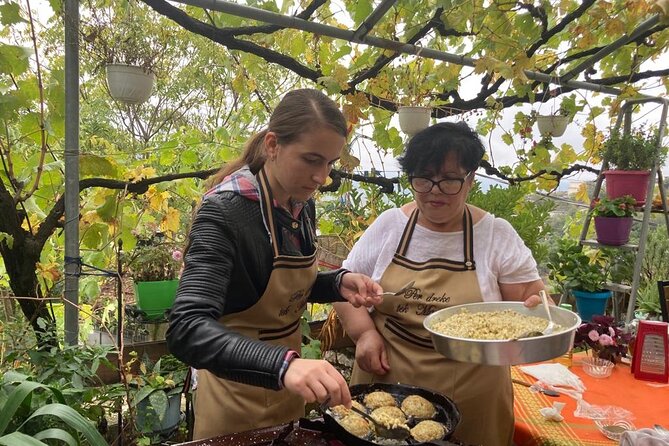
This fits best if you want local culture through food, not just food as entertainment. You will likely enjoy it if you:
- Prefer vegetarian meals and want dishes tied to Gjirokaster
- Like cooking with a guide and learning the why behind the steps
- Travel solo or as a pair and want a small-group setting
- Want something hands-on that still ends with you sitting down to eat
It can also work well as a “special evening” plan. One person booked it as a surprise for a friend, and the home-hosting vibe was a big part of why it landed well.
If you are on a tight schedule, keep the walk and meal timing in mind. Also note that your menu is focused. You will learn three recipes plus salad, not a sprawling buffet of everything Albanian.
What to watch for before you book
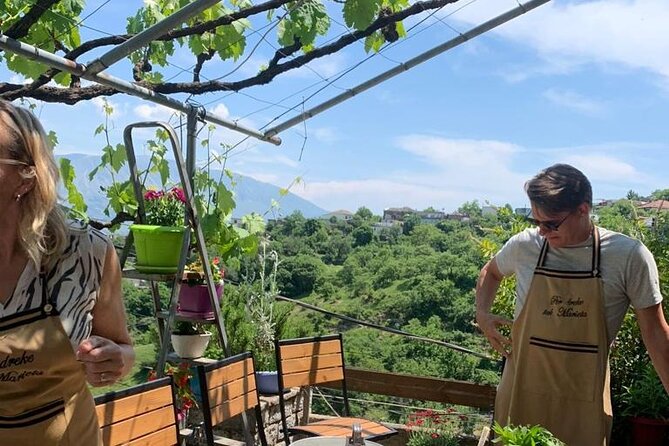
You can think of this class as focused and friendly. The main considerations are simple.
First, it is a small-menu learning experience. You cook Qofte Bobollaqe, Qifqi, and Hasude, with salad of the season included. If you want an even larger variety of dishes, this might feel limited.
Second, it happens in a home environment. That usually means fewer facilities than you expect from a professional kitchen. If you have mobility needs or need lots of space, you should double-check what the home setup looks like when you book. The information provided does not specify accessibility details.
Finally, because the class is in English, plan to use that language comfortably. If you speak limited English, you still may be okay thanks to guide support, but the teaching language is listed as English.
Should you book Teta Marjeta’s vegetarian class?
If you care about authentic local flavors and you like learning to cook in a real kitchen, I would book it. You get a complete vegetarian menu, hands-on instruction, a meal with a local pour, and a recipe you can actually use again.
I would pass or reconsider only if you want lots of different dishes beyond the three taught recipes, or if you prefer a more formal restaurant-style experience with more space and fewer home-kitchen variables.
If you are planning a Gjirokaster evening and you want a plan that feels personal, this is a strong choice.
FAQ
Where does the vegetarian cooking class start?
You meet at Cerciz Topulli square. The activity start location is provided as ATM34FR+V28, Rruga Gjin Zenebisi, Gjirokastër, Albania.
How long does the experience last?
The duration is about 2 hours 30 minutes.
Is lunch included?
Yes. Lunch is included in the experience.
What is on the menu?
The menu includes salad of the season, Qofte Bobollaqe, Qifqi, and Hasude.
Is the class offered in English?
Yes. The experience is offered in English.
How many people are in a class?
There is a maximum of 10 travelers.
What drinks are included with the meal?
A complimentary glass of wine, raki, or a soft drink is included with lunch.
Do I get recipes to take home?
Yes. At the end, you will be given a recipe of what you cooked.
Do I need a printed ticket?
No. The tour uses a mobile ticket.
What is the cancellation policy?
Free cancellation is available. You can cancel up to 24 hours in advance for a full refund. If you cancel less than 24 hours before the start time, the amount paid is not refunded.
Hands On in Albania
Albania by the Glass and the Plate
Every Albania Review We Have


Latest Albania reviews off the desk
- Gjirokastra Private Half-Day Walking Tour
★ 5.0 · 3 reviews - Gjirokaster – The Stone City of UNESCO, Private Tour from Tirana
★ 4.5 · 4 reviews - Private Cold War City Tour in Gjirokaster
★ 4.5 · 4 reviews - 2-Hours Guided Drino’s Valley Ride
★ 4.5 · 5 reviews - Prepare Osa with Teta Marjeta
★ 4.5 · 7 reviews - Wood Crafting Experience in Gjirokastra
★ 4.5 · 10 reviews
Albanian Food, Wine & Raki, compared.
 ★ 5.0Cooking Classes and Traditional food tasting in TiranaFrom $49282 reviews
 ★ 5.0Local food experience & walking tour of TiranaFrom $60192 reviews
 ★ 5.0Best of Local Food & City Tour of Tirana – Food & Drinks IncludedFrom $72160 reviews
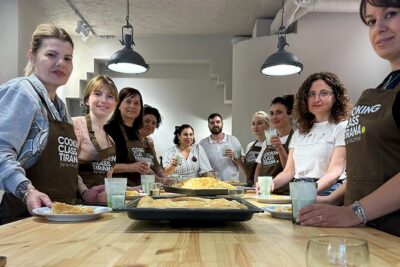 ★ 5.0Traditional Albanian Cooking Class in Tirana with Raki TastingFrom $53125 reviews
 ★ 5.0Berat Cooking Class- Traditional Albanian Cooking Class /By VatoFrom $41120 reviews
 ★ 5.0Ksamil: Mussel Sailing Tour with Food and Drink in AlbaniaFrom $67102 reviews
 ★ 5.0Vineyards, Albanian Wine Tasting & Boat Tour from Tirana/DurresFrom $9564 reviews
 ★ 5.0Savor Albanian Cuisine Cooking Class with Mama Nina Berat CastleFrom $4855 reviews
Browse the lists this tour appears in