
REVIEW · ALBANIA
Prepare Osa with Teta Marjeta
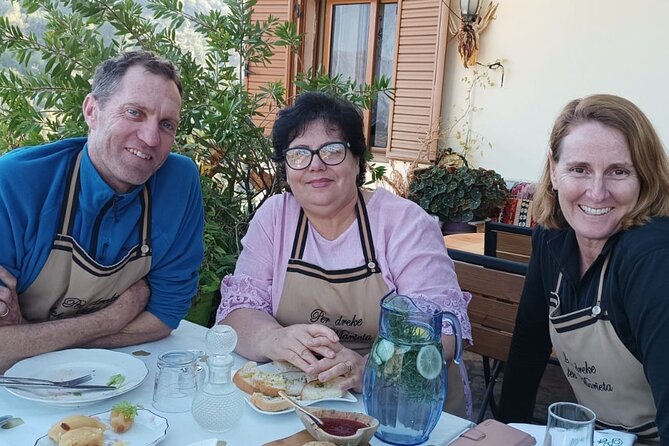
Cooking in a real home changes everything fast. This small-group class in Gjirokastër is set inside Teta Marjeta’s house, where you learn three local dishes from scratch and then sit down to eat what you made, paired with drinks. I like that it is hands-on from the first sip of raki or a soft drink to the final taste, and you also leave with recipe cards so the experience can continue after you go. One thing to consider is that the food is very traditional, so if you have strict dietary needs, you will want to ask ahead rather than assume substitutions.
What I really like is the combination of home hospitality and a proper, guided cooking flow. You start at Sheshi Çerçiz Topulli, walk over to Marjeta’s place, cook with local ingredients, and finish with a shared meal on the veranda-like setting described by past guests. I also love the focus on specific dishes you actually associate with Gjirokastër, including Qifqis, Osa, and Hasude.
The main drawback is simply the time frame. At about 2.5 hours, it is not a long cultural hangout, so you will get a lot in a short window, but it may feel rushed if you want a deeper, slower pace or lots of extra stories.
In This Review
- Key highlights at a glance
- Teta Marjeta’s House Cooking Class, Not a Demo
- Meeting at Sheshi Çerçiz Topulli and the Walk to the Home
- The Real Star: Qifqi, Osa, and Hasude
- Starter: Qifqis
- Main: Osa (pasta with chicken)
- Dessert: Hasude
- Plus: seasonal salad
- Drinks, Food, and a Social Rhythm You Can Actually Enjoy
- Recipe Cards and Taking Gjirokastër Home
- Price and Value: What You Get for $66.09
- Who Should Book This Cooking Class (and Who Might Not)
- Should You Book Prepare Osa with Teta Marjeta?
- FAQ
- Where do I meet for the cooking class?
- How long is the experience?
- What dishes will we cook?
- Are food and drinks included?
- Is there an age limit for alcohol?
- What is the cancellation policy?
Key highlights at a glance
- Up to 10 people, so the class stays personal rather than chaotic
- Chef-led, hands-on cooking of three Gjirokastër specialties
- Marjeta’s home setting, including time to chat with your group before you cook
- Raki, wine, or soft drinks included with the meal, plus drinks at the start
- Recipe cards provided, so you can recreate Osa, Qifqi, and Hasude at home
- Local ingredients and seasonal salad, not generic demo food
Still weighing it up? These are the Albanian trips people book most often after reading this one.
- Walking Tour Baazar – The Argjiro Castle – Zekate house★ 4.5 · 18 reviews
- Cooking Class★ 4.5 · 12 reviews
- Vegetarian Cooking Class @Teta Marjeta★ 5.0 · 11 reviews
- Wood Crafting Experience in Gjirokastra★ 4.5 · 10 reviews
- Walking Tour “The Old Bazaar, Cfake, Dunavat, Ali Pasha Bridge”★ 5.0 · 10 reviews
Teta Marjeta’s House Cooking Class, Not a Demo
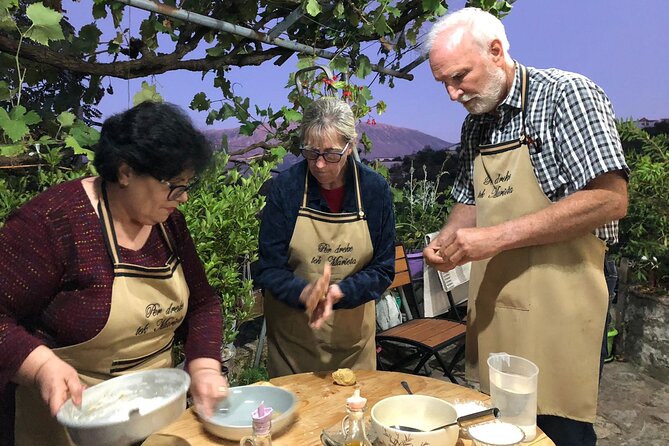
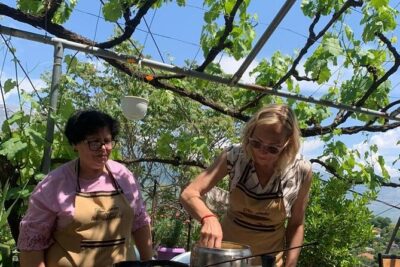
This is the kind of cooking experience I always recommend when you want food that feels tied to place. You are not in a big classroom or a sterile kitchen. You are stepping into Marjeta’s home, where the rhythm is more like a friendly afternoon with a host who clearly loves cooking.
You’ll begin with a glass of raki or a soft drink while you get settled and chat with your group. From there, you shift into a guided cooking format, led by a local guide, with a chef involved in teaching the process. In past groups, the translation support included a team member named Besi, which helped keep everything smooth for English speakers.
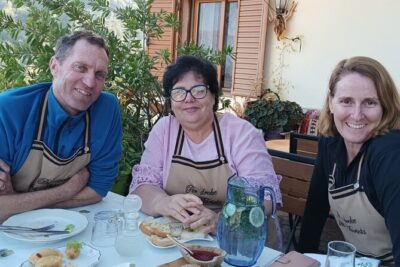
And then comes the best part: you eat what you made, with your guide and Marjeta. This is not just tasting along the way. You are taking part in the full cycle: prep, cook, and sit down together.
One practical note: alcohol is part of the program. The minimum drinking age is 18, and you can still choose soft drinks, so it is not a hard requirement to drink raki or wine to enjoy the class.
Meeting at Sheshi Çerçiz Topulli and the Walk to the Home
The meeting point is Sheshi Çerçiz Topulli 5, Gjirokastër 6001, Albania. You start there, then you move as a group to Marjeta’s home. The activity ends back at the same meeting point, which keeps things simple.
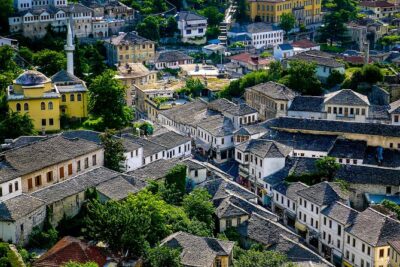
Why this matters: starting from the square helps you orient fast in Gjirokastër. Once you are near Sheshi Çerçiz Topulli, it is easier to build a mini plan for the rest of the day around this class.
The timing is also tight in a good way. The full experience runs about 2 hours 30 minutes. That means you can fit it into a normal day of exploring without losing half your daylight, while still getting a complete cooking-and-eating experience.
Comfort tip, based on how home-based classes usually work: wear clothes you don’t mind getting a little flour or sauce on. This is cooking from scratch, not plating appetizers for photos.
The Real Star: Qifqi, Osa, and Hasude
You cook a menu built around Gjirokastër traditions, and that is the whole point. The dishes you make are not random “Albanian food” picks. They are tied to the region’s identity.
Starter: Qifqis
Qifqis is the traditional starter you’ll prepare. It is described as being mainly rice, and it is noted as a dish found only in Gjirokastër. That local specificity is exactly why this class feels authentic: you learn something you cannot easily replace with a generic cooking class.
Expect a process that involves shaping or assembling the rice-based components, following the guidance from the chef and your local host team. The goal is not just to taste it, but to understand how the recipe comes together so you can do it again later.
Main: Osa (pasta with chicken)
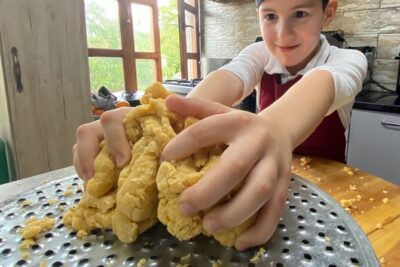
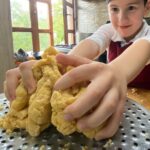
The main dish is Osa, described as a kind of pasta combined with chicken. This is the dish that gives you the most hands-on “build it yourself” energy. You’ll learn how the pasta and chicken come into the same flavor system, then you cook enough so you can feel confident when you recreate it at home.
In practice, this type of main course is where guided instruction really helps. You get step-by-step direction, and you see what the finished texture and taste should be.
Dessert: Hasude
For dessert, you make Hasude. It is served as part of the three-dish menu, and the class structure gives you just enough time for dessert without turning the afternoon into a marathon.
The payoff here is that you leave with a complete meal in your head. Starter, main, dessert. That is a big part of why cooking classes like this can actually change how you cook once you get back.
Plus: seasonal salad
While you focus on the three featured dishes, Marjeta has already prepared the salad of the season. That detail matters because it rounds out the meal and keeps the menu balanced. It also reduces pressure on the class timing, so you can spend your cooking energy on the items that teach you the most.
Drinks, Food, and a Social Rhythm You Can Actually Enjoy
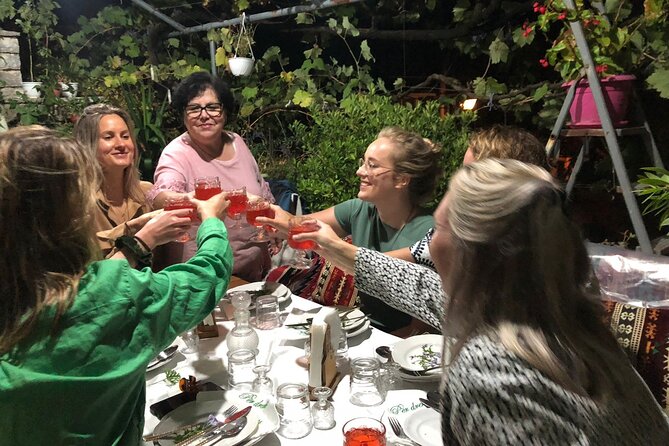
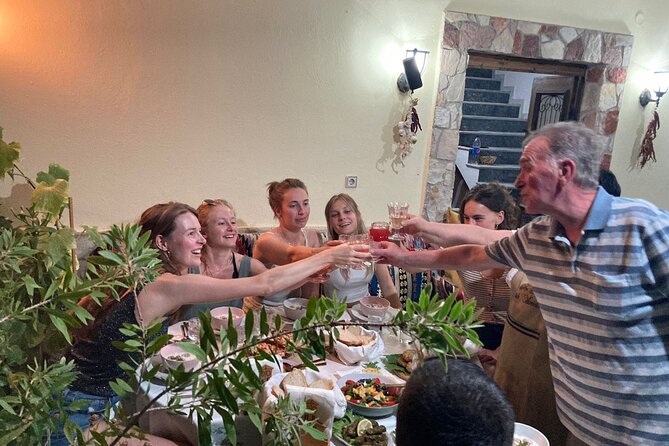
This class builds the meal like a social event. You start with a glass of raki or a soft drink, then you cook, then you sit down and eat with drinks again. The menu pairing includes a complimentary glass of wine, raki, or a soft drink.
That second drink moment is not just for fun. It helps you shift from “I’m working” mode to “I’m eating with people” mode. In a home setting, that matters because you are more likely to relax, ask questions, and chat while you learn.
What I like about this structure is that it keeps the whole group engaged. Even if you are not the fastest cook, you are never standing around with nothing happening.
Also, because the group cap is 10 travelers, the social energy stays friendly. You are not trying to talk over a crowd.
If you prefer not to drink alcohol, you can still enjoy the experience with soft drinks. The program makes that option explicit.
Recipe Cards and Taking Gjirokastër Home
Many cooking classes end when the meal is over. This one tries to extend the value past your vacation.
You receive recipe cards so you can recreate what you cooked at home. And at the end, you are given a recipe of what you cooked to prepare back home. The message is clear: you should leave with something usable, not just a memory.
Why that is worth the money: recipe cards and take-home instructions turn your experience into an actual skill. You can rebuild the dishes for friends, or at least recreate the flavor profile the next time you want an Albanian-style meal.
If you are a “cook on vacation, then never cook again” kind of person, this might be the class that changes that habit. The dishes are specific to Gjirokastër, so recreating them is a direct way to keep the place alive in your kitchen.
Price and Value: What You Get for $66.09
The price is $66.09 per person, and for a short 2.5-hour session, it has to earn its keep.
Here is where the value comes from:
- All food is included, including the featured starter, main, and dessert, plus seasonal salad
- Drinks are included, with options like wine, raki, or soft drinks at the meal and drinks at the start
- You have a small group size, which typically means more attention and less waiting
- You get recipe cards plus a take-home recipe so you can repeat the dishes later
Even if you would pay for a meal in Gjirokastër anyway, you are also buying instruction and a guided cooking experience. That is why this feels more like a skill-based cultural activity than a simple restaurant outing.
Timing also adds value. At 2.5 hours, it respects your itinerary. You can do this in the afternoon and still have time for other city highlights.
Who Should Book This Cooking Class (and Who Might Not)
This experience is best for you if:
- You enjoy cooking and want to learn how to make dishes from scratch, not just watch
- You like local food tied to a specific place, like Qifqis being found only in Gjirokastër
- You want a small group experience where conversation is easy
- You care about taking something home, especially recipe cards you can use
It might be less ideal if:
- You dislike home-based, hands-on cooking settings
- You want a long walking tour or a full-day cultural deep dive
- You have dietary requirements that need special adaptation, since the menu is built around the traditional trio
If you fall in the “I like learning by doing” camp, you’ll probably have a great time.
Should You Book Prepare Osa with Teta Marjeta?
I think you should book it if you want your Gjirokastër trip to include more than photos and sightseeing. The big win is the combination: three local dishes, a home setting, and a sit-down meal paired with drinks, all in a compact 2.5-hour slot.
You also get something tangible that many travel experiences don’t: recipe cards and a take-home recipe so you can recreate Osa, Qifqi, and Hasude later. Add in the small group size up to 10, plus translation support that has included someone named Besi in English-friendly groups, and this starts to look like a very practical way to connect with local life.
If you can handle a traditional menu and you are open to cooking from scratch, this is a strong choice. If you need lots of dietary flexibility or a slower, longer pace, you might want to look for another kind of food experience in town.
FAQ
Where do I meet for the cooking class?
You meet at Sheshi Çerçiz Topulli 5, Gjirokastër 6001, Albania. The activity ends back at the same meeting point.
How long is the experience?
It lasts about 2 hours 30 minutes.
What dishes will we cook?
You cook Qifqi (starter), Osa (main), and Hasude (dessert). You also have seasonal salad as part of the meal.
Are food and drinks included?
Yes. Afternoon tea and beverages are included. You also get drinks such as a glass of raki or a soft drink at the start, and a complimentary glass of wine, raki, or a soft drink with your meal.
Is there an age limit for alcohol?
Yes. The minimum drinking age is 18.
What is the cancellation policy?
You can cancel for a full refund up to 24 hours in advance of the experience start time.
Every Albania Review We Have

Latest Albania reviews off the desk
- Gjirokastra Private Half-Day Walking Tour
★ 5.0 · 3 reviews - Gjirokaster – The Stone City of UNESCO, Private Tour from Tirana
★ 4.5 · 4 reviews - Private Cold War City Tour in Gjirokaster
★ 4.5 · 4 reviews - 2-Hours Guided Drino’s Valley Ride
★ 4.5 · 5 reviews - Prepare Osa with Teta Marjeta
★ 4.5 · 7 reviews - Wood Crafting Experience in Gjirokastra
★ 4.5 · 10 reviews