
REVIEW · COMMUNIST HISTORY & COLD WAR BUNKERS
A Communist Manifesto: Tirana before and after
Tirana makes more sense with a guide. This 2.5-hour walk turns big Tirana sights into a clear timeline, from before communism’s hard turn to what still shapes the city today. I like that you get a practical orientation on foot, while still seeing the places that shaped daily life and power in Albania.
My favorite part is the personal stories your guide brings, including firsthand-style context from guides like Eri, who share what communism felt like from the inside. I also like the way the route threads through real neighborhoods and landmarks, including Skanderbeg Square and Blloku, so the history connects to what you can see right now.
One thing to keep in mind: you are walking the whole time, and it needs good weather. Also, you will see the House of Leaves from outside, so if you want museum time, you may need extra plans.
In This Review
- Key things to know before you go
- Walking Tour With a Communist-Era Lens, Not a Textbook
- From Skanderbeg Square to City Power Centers
- The House of Leaves, Seen Outside With Real Context
- Walking Through Blloku and Mother Teresa Square
- Enver Hoxha Pyramid: A Monument With Questions Attached
- Komiteti Bar Stop, and How the Timing Works
- Price and Value: Paying for Context and Direction
- Who This Tour Is Best For (and Who Might Skip It)
- Should You Book A Communist Manifesto: Tirana Before and After Tour?
- FAQ
- What time does the tour start?
- How long is A Communist Manifesto: Tirana before and after?
- Where do I meet, and where does the tour end?
- What is included in the ticket price?
- Which major stops are part of the experience?
- Is admission to the Museum of Secret Surveillance included?
- Is the tour offered in English, and how many people are in the group?
- What if the weather is bad or I need to cancel?
Key things to know before you go
- A focused 2.5-hour route that helps you read Tirana quickly, not just take photos
- Skanderbeg Square to Blloku covers two sides of power and privilege in the communist era
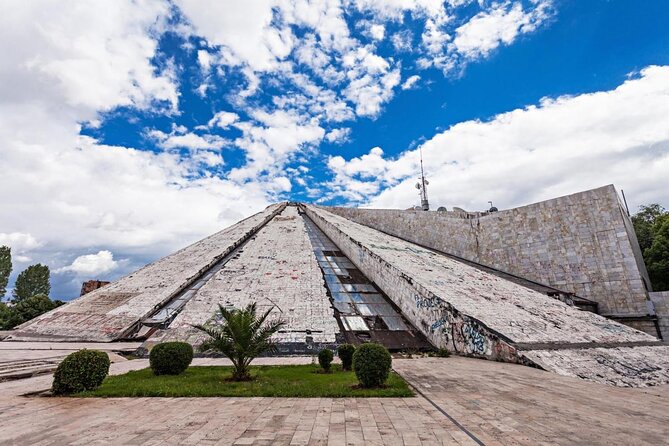
- Enver Hoxha Pyramid stop is quick but memorable, and it anchors the whole theme
- House of Leaves viewed from outside, with the museum ticket not included
- Max 15 people, so it stays conversational rather than chaotic
Other bunker and dictatorship-era tours in Albania
- A Communist Manifesto: Tirana before and after★ 5.0 · 50 reviews
- The truest face of Communism★ 5.0 · 18 reviews
- Full-Day Tour of Albania’s Bunkers and Beaches, from Tirana★ 5.0 · 16 reviews
- Communist History Tour Tirana & Street Food★ 5.0 · 15 reviews
- Bunkart 1 & Mount Dajti Tour – includes lunch★ 5.0 · 8 reviews
Walking Tour With a Communist-Era Lens, Not a Textbook
This walk is built for people who want Tirana to make sense fast. You start in the big civic heart of the city and then move through spots tied to surveillance, ideology, and the odd contrasts of Albanian life under communism. Instead of piling facts at you, your guide ties the story to streets, plazas, and buildings you can actually stand in front of.
Two things make this tour especially useful for short stays. First, it gives you a mental map. After you’ve walked Skanderbeg Square, Mother Teresa Square, and the Blloku area, you’ll understand where you are and why the city planners picked certain spaces. Second, you get a clearer sense of what changed, and what did not. The communist period didn’t just leave monuments. It left habits, attitudes, and a built environment that still affects how Tirana feels.
If your guide is someone like Eri, you’ll likely appreciate the tone. The stories are personal enough to feel human, but they still stay tied to what you’re seeing. That balance matters. Tirana has plenty of surface sightseeing, but this is the kind of tour that helps you connect those sights to the country’s real turning points.
From Skanderbeg Square to City Power Centers
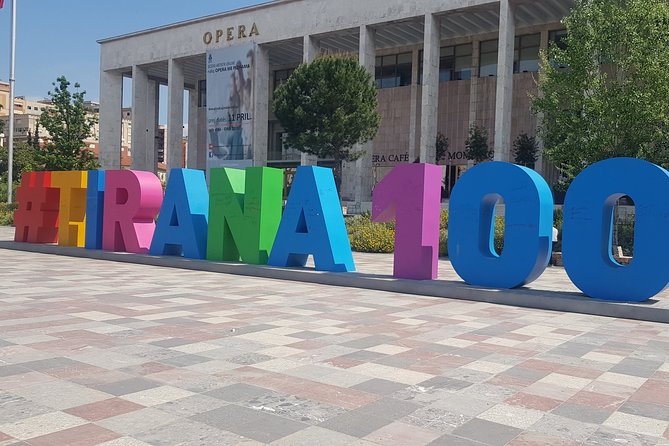
Your day begins at Sheshi Skënderbej (Skanderbeg Square), and that’s a smart choice. This is where your bearings click into place. The square is the kind of place that makes you aware of scale and intent, which is exactly what you want before you start interpreting communist-era design.
From there, the tour keeps your momentum by moving on foot to nearby highlights. You’ll spend time looking at the square itself, then walking toward the next layers of meaning in the city. The pace is not rushed, and the short stops keep you engaged. It also means you can ask questions, especially if you want more detail about how ideology and everyday life interacted.
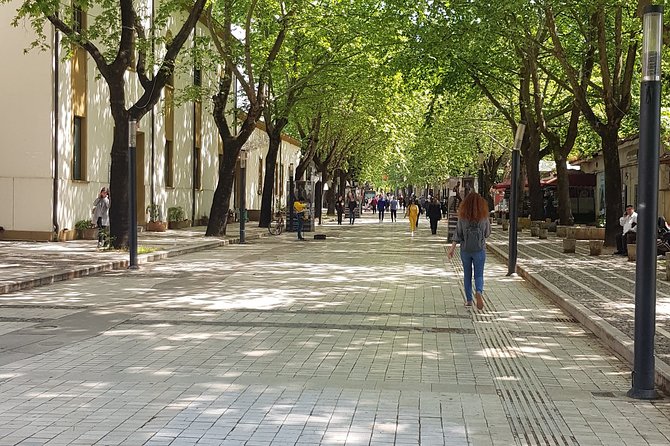
The tour then steers you toward a classic contrast: spaces linked to control and spaces linked to where life felt slightly different. That is where Blloku comes in. This area is often associated with a different set of privileges historically, and even if you don’t know the background, the tour gives you enough context to notice what feels distinct about the neighborhood.
Practical tip: wear shoes you can walk in comfortably. Even with short stops, you’re covering multiple areas within a compact 2.5-hour window, and Tirana can surprise you with uneven pavement in places.
The House of Leaves, Seen Outside With Real Context
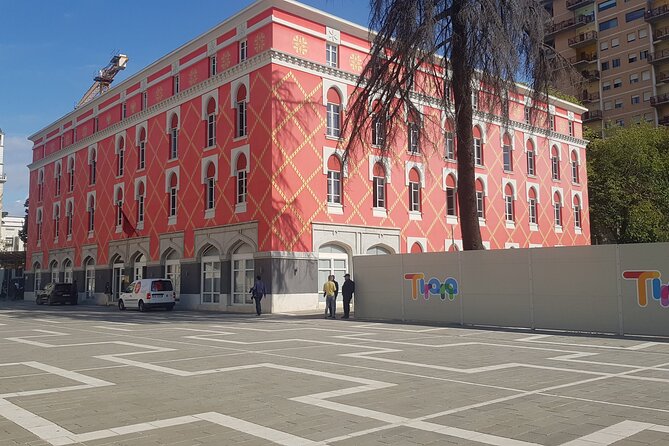
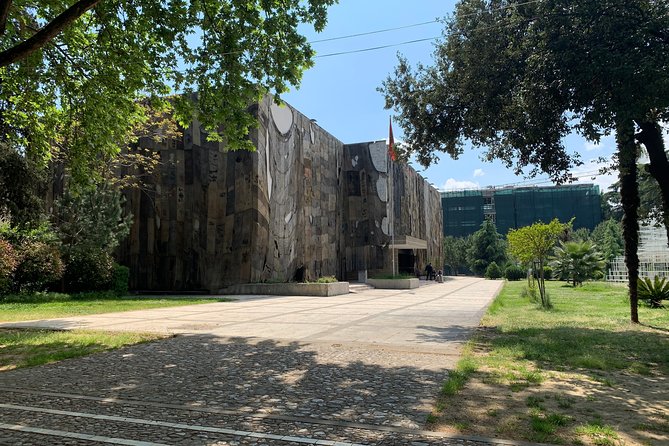
One stop is the Museum of Secret Surveillance, but the tour’s approach is important: you see the House of Leaves from outside, and the admission ticket is not included. That means you’re not paying extra for entry during the group walk, but you also should not expect a full museum visit as part of this experience.
Still, this outside viewing can be powerful. The House of Leaves is one of those locations where the meaning is bigger than the building’s footprint. Seeing it from the street gives you a sense of secrecy and tension without requiring a timed ticket or extra time inside. Your guide’s job here is to put the place in context, so when you look at it, it feels like something specific, not just a spooky stop.
The tradeoff is simple. If you want the full story through exhibits, you’ll need to plan separately. If you’re short on time, or you prefer to keep your day moving, the outside-first approach works well. It also protects the tour’s flow, which stays focused on orientation rather than turning into a long museum detour.
Walking Through Blloku and Mother Teresa Square
After the heavier topic of surveillance, the route shifts gears toward everyday urban life and public space. You’ll spend time walking through Blloku, which is a key part of the tour’s before-and-after theme. Even though the communist narrative is central, Blloku is where you start to see how Tirana’s story shows up in neighborhoods you can still wander today.
This stop is short, but it’s not random. The guide uses the area to explain what life looked like for certain groups and how city zones reflected those realities. When you pair that with the other stops, the tour stops feeling like isolated trivia and starts feeling like a consistent argument about space, control, and change.
Then you move through Mother Teresa Square, another quick but effective orientation moment. This is a reminder that Tirana is not only a communist museum outside your window. The square helps balance the emotional weight of the earlier stops and gives you a sense of what the city became afterward, socially and symbolically.
If you like tours that feel like a guided walk through the city’s “why,” these segments are exactly why this experience works. You see different kinds of public space and get context for what each one signaled at different points in Albania’s modern history.


Enver Hoxha Pyramid: A Monument With Questions Attached
The highlight that many people remember is the Enver Hoxha Pyramid stop. It’s brief, but it functions like an anchor point for the whole tour. You arrive with context from earlier stops, and you leave with a clearer sense of how symbols can last long after the systems behind them change.
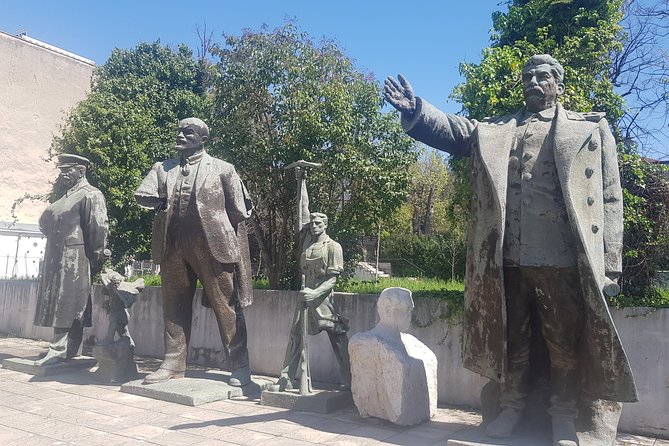
The Pyramid’s meaning is tied to communism’s focus on ideology and authority. Your guide’s job is to help you read the structure and not just point it out. You’ll likely connect it to earlier themes like surveillance, the design of civic spaces, and the contrast between official narratives and private realities.
Because this is a walking tour, you won’t be stuck here for hours. That’s a benefit. You get a strong impression quickly, and then you keep moving. If you want deeper time at the Pyramid later, you can always revisit. But as part of a 2.5-hour orientation-focused experience, it does the job.
Keep your expectations realistic: this stop is a look-and-learn moment. If your goal is a long photo session or long museum-style explanations, you might want extra time beyond the tour.
Komiteti Bar Stop, and How the Timing Works
The last part of the walk includes a short pause near Komiteti Bar, with a drink-style stop built in. You’ll also end the tour at Komiteti kafe – museum, in the area around Rruga Papa Gjon Pali II. That ending point is useful because it’s central enough that you can continue exploring afterward without backtracking.
Timing wise, the tour is designed around small segments, not one long slog. With stops that are around 10 to 15 minutes each, you stay mentally fresh. You also get coffee and/or tea included, which is a simple but welcome perk when you’re moving at walking speed for most of the experience.
Here’s the practical angle: this is a good choice for a first or second afternoon in Tirana. Starting at 2:00 pm means you can still fit other plans later in the day, and you’ll probably want the rest of your time for independent wandering once you’ve got your bearings.
What you get is more than a list of sites. You get a narrative thread, and then you get to walk back out into Tirana and recognize what you’re seeing.
Price and Value: Paying for Context and Direction
The price is $34.84 per person for about 2 hours 30 minutes. At first glance, that’s not “cheap,” especially if you compare it to free walking-style tours. But this one includes real value you feel during the walk: a guided storyline across multiple communist-era touchpoints, plus coffee and/or tea included.
For me, the best value in a tour like this is not the landmarks themselves. Tirana’s squares and monuments are visible without a guide. The value is in the connections: why certain places mattered, what they signaled, and how the city’s story is still written into the layout.
The group size also matters. With a maximum of 15 travelers, you’re less likely to get lost in the crowd. That makes it easier to hear the guide and ask questions, especially about sensitive topics like surveillance. It also tends to keep the walk feeling human rather than mechanical.
One more value point: the tour is offered in English, and the meeting and ending points are straightforward. You are not dealing with complicated logistics during the day. You show your mobile ticket and follow the group.
Who This Tour Is Best For (and Who Might Skip It)
This experience is best for you if you want Tirana with a story. If you enjoy history that you can test against the real city, you’ll appreciate how the route is arranged. It’s also a strong pick if you like the guide to connect emotional context, such as what communism meant in daily life, to the physical world, like squares and monuments.
It’s also a good option for history buffs who like short formats. You get multiple major stops in one afternoon without the day being hijacked by a long museum schedule.
You might consider skipping or supplementing if your main goal is deep museum time. The House of Leaves viewing here is outside-only, and that admission is not included. If museum exhibits are your top priority, you may want to plan extra time elsewhere after the walk.
Should You Book A Communist Manifesto: Tirana Before and After Tour?
Yes, I’d book it if you want Tirana to click quickly. The mix of orientation, communist-era landmarks, and a guide who shares personal context is exactly the kind of experience that turns first impressions into understanding. The free orientation moments at Skanderbeg Square and Mother Teresa Square also help you enjoy the rest of the city after you finish.
Before you book, decide what you want most. If you want a guided walk with direction, context, and a clear storyline, this fits well. If you want a full museum visit at the House of Leaves, treat this as your warm-up, then add museum time on your own.
FAQ
What time does the tour start?
The tour starts at 2:00 pm.
How long is A Communist Manifesto: Tirana before and after?
It lasts about 2 hours 30 minutes.
Where do I meet, and where does the tour end?
You meet at Sheshi Skënderbej, Tiranë, Albania, and the tour ends at Komiteti Bar near Rruga Papa Gjon Pali II, Tiranë, Albania (Komiteti kafe – museum).
What is included in the ticket price?
All fees and taxes are included, and coffee and/or tea are included.
Which major stops are part of the experience?
You’ll see Skanderbeg Square, the House of Leaves area from outside, Blloku, Mother Teresa Square, a stop by the Enver Hoxha Pyramid, and you’ll finish near Komiteti Bar.
Is admission to the Museum of Secret Surveillance included?
No. The stop includes seeing the House of Leaves from outside, and the Museum of Secret Surveillance admission is not included.
Is the tour offered in English, and how many people are in the group?
Yes, it is offered in English. The group size is capped at a maximum of 15 travelers.
What if the weather is bad or I need to cancel?
The experience requires good weather. If it is canceled due to poor weather, you will be offered a different date or a full refund. You can cancel up to 24 hours in advance for a full refund.
Bunkers and the Dictatorship Years


Every Albania Review We Have

Latest Albania reviews off the desk
- UNESCO heritage in Albania – 4 days
★ 5.0 · 3 reviews - Transfers Tirana Airport – Sarande – Ksamil – Airport Tirana
★ 4.5 · 3 reviews - Private Transfers from Tirana International Airport to Sarandë
★ 4.5 · 3 reviews - Tirana’s Communist Past: A Tasting Tour with Traditional Lunch
★ 5.0 · 3 reviews - Tirana ⇔ Ohrid, North Macedonia
★ 5.0 · 3 reviews - Tirana and Kruja in a Day Trip
★ 5.0 · 3 reviews
Communist History & Cold War Bunkers, compared.
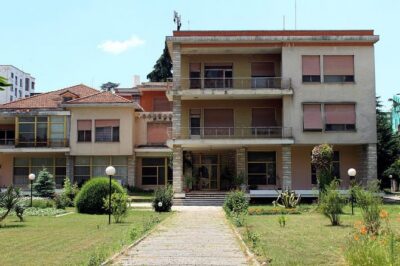 ★ 5.0The truest face of CommunismFrom $9018 reviews
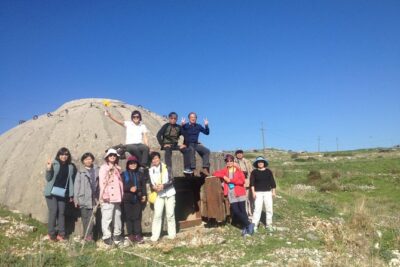 ★ 5.0Full-Day Tour of Albania’s Bunkers and Beaches, from TiranaFrom $14416 reviews
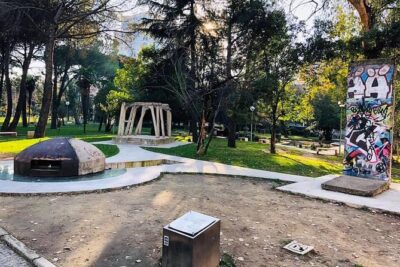 ★ 5.0Communist History Tour Tirana & Street FoodFrom $12615 reviews
 ★ 5.0Bunkart 1 & Mount Dajti Tour – includes lunchFrom $1558 reviews
 ★ 4.5Private Cold War City Tour in GjirokasterFrom $754 reviews
 ★ 5.0Cultural Tour in Tirana including House of LeavesFrom $583 reviews
 ★ 5.0Tirana’s Communist Past: A Tasting Tour with Traditional LunchFrom $603 reviews
Browse the lists this tour appears in