
REVIEW · UNESCO HERITAGE TOURS
UNESCO Heritage Sites in Albania on 3 day tour
UNESCO sites in Albania, but not rushed. This 3-day route from Tirana strings together Butrint National Park and Gjirokastër in a way that feels built for real sightseeing, ancient ruins in the morning, Ottoman streets later. I like how you actually get time on the ground at each stop, not just the quick in-and-out shuffle.
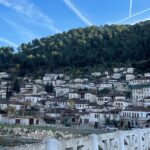
My second favorite is Berat Castle and the City of a Thousand Windows views over the old quarters, plus the chance to try local gliko and Turkish coffee during the day. One thing to consider is the long Day 1 drive, nearly 4 hours from Tirana to Butrint even with small breaks, so bring patience and plan for meals since lunches and dinners are not included.
In This Review
- Key highlights that make this UNESCO trip worth your time
- Day 1: Butrint ruins, Sarandë promenade breaks, and Gjirokastër at sunset
- Day 2: Apollonia’s preserved ruins and Berat’s City of a Thousand Windows
- Day 3: Durres promenade time and the amphitheater for gladiator-style imagination
- Price and what you actually get for $520.40 per person
- How the schedule feels in real life, including the long drive days
- Guide energy: what it looks like when Zeni and Skerdi run the day
- Who this tour suits best, and who might want a different plan
- Should you book this 3-day UNESCO tour from Tirana?
- FAQ
- What is the price of this UNESCO Heritage Sites in Albania tour?
- How long is the tour?
- Where does the tour start, and what time does it begin?
- Is pickup included, and is it a private tour?
- What is included in the tour price?
- Which entrance fees are specifically included?
- Are lunches or dinners included?
- How do tickets work, and can I bring a service animal?
- Can I get a full refund if I cancel?
Key highlights that make this UNESCO trip worth your time
- Butrint and Apollonia entry fees are covered, so you can focus on the sites instead of ticket math.
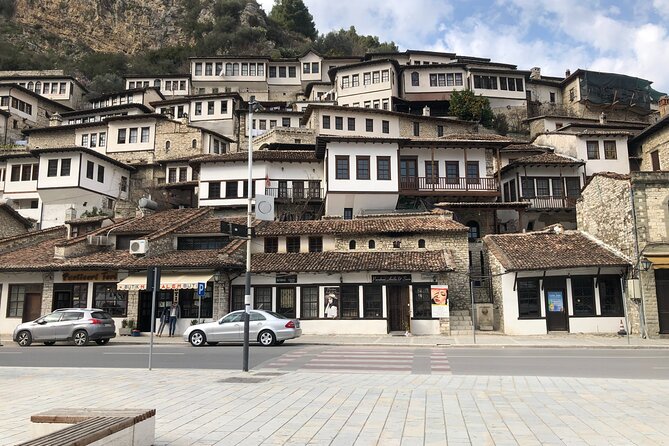
- Gjirokastër’s hilltop setting pays off in views, especially around the castle area.
- Cerciz Topulli square and the cobblestone bazaar walk give you the Ottoman-city feel fast.
- Berat’s Kalaja district and castle quarter connect churches and mosques on one dramatic ridge.
- Durres adds a sea break, with the amphitheater nearby for an easy day ending.
- Guides like Zeni and Skerdi are described as friendly, professional, and great at turning history into something you can follow.
The rest of the Albanian UNESCO circuit, reviewed
- Berat city UNESCO tour, the Castle & Belshi lake- From Tirana★ 5.0 · 804 reviews
- From Tirana: Berat UNESCO & Belshi Lake Full-Day Tour★ 5.0 · 118 reviews
- Gjirokastra UNESCO & Ksamil Beach – From Tirana/Durres/Golem★ 5.0 · 117 reviews
- Berat UNESCO Small-Group Day Tour from Tirana★ 5.0 · 31 reviews
- Small Group Tour; Pearls of Albania in 8 Days (3 UNESCO Sites)★ 5.0 · 29 reviews
Day 1: Butrint ruins, Sarandë promenade breaks, and Gjirokastër at sunset
Day 1 starts with a proper road trip. The drive from Tirana to Butrint takes almost 4 hours when you include small breaks, and along the way you pass the coastline area around Sarandë and Ksamil. If you do not love sitting in traffic, this is the day that will test your tolerance, but the payoff is big once you reach the park.
At Butrint National Park, you get about 1 hour inside the Butrint Archaeological Park with admission included. Butrint is one of those places where the ruins do not feel staged. You walk through a layered ancient site, and the setting makes it easy to imagine how people lived here across time. Practical tip, wear shoes with grip, because park paths can be uneven.
Then you move on to Sarandë for about an hour. This is your simple reset: a port-city promenade by the sea, plus time to grab lunch on your own. The plan includes Sarandë with free admission for the stop, so you are mostly paying for your own food here. If you want the best value, go easy on caffeine, then save your energy for Gjirokastër.
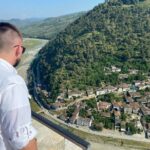
Next comes Gjirokastër, another UNESCO site, perched on the side of Mount Gjere and set up high over the valley. I like this part because the city feels like a museum city you can walk through. The old town is well preserved, with a strong Ottoman-era character, and it is the kind of place where every turn reveals a new angle of stone and roofs.
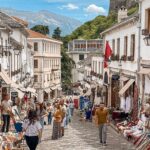
You start with a quick look around the Gjirokastër Bazaar area, about 15 minutes. The main square is named after Cerciz Topulli, and the cobblestone streets lead you naturally toward the castle. Even in a short stop, the bazaar layout helps you understand why people built their daily life this way: it is compact, dramatic, and made for watching the valley below.
Finally, you climb toward Gjirokastër Castle for about 30 minutes, with admission included. The fortress sits above the city on natural defenses, and it has a strong story attached to it, including the legend of Argjiro, a young princess whose sacrifice became part of local lore. Historically, the fortress served as a fortress and prison under different regimes. The best part, though, is the view over the city spread across hills, so even if you are not a hardcore ruin person, you will feel rewarded.
Possible drawback on Day 1: the day is packed, so your window at the bazaar and the castle is short. That can feel perfect if you like variety, but if you want deep time in one place, know that this circuit is designed for coverage, not one-site perfection.
Day 2: Apollonia’s preserved ruins and Berat’s City of a Thousand Windows
Day 2 slows you into a different kind of history. First up is Apollonia Archaeological Park, about 1 hour, and the admission ticket is free in this plan. Apollonia is set in a way that feels calm and open, with monuments that are preserved in an exceptionally intact condition. I like how it gives you breathing room, because after Day 1’s climbing and courtyards, this is where you can slow your pace and actually look at details instead of just moving.
The area connects monuments with nature and makes the whole experience feel like a long walk through time. If you are traveling with someone who does not always love archaeology, Apollonia can still work because it is not all tight interiors. You can keep your tour pace light and let the park do the work.
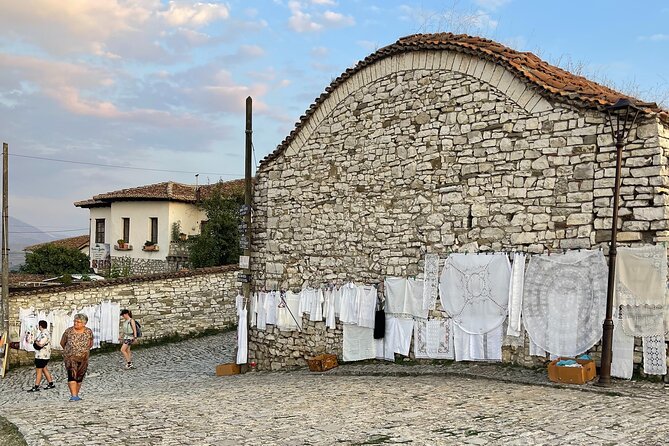
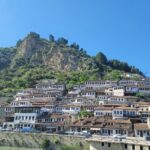
Then you head to Berat, the City of Many Windows, a UNESCO World Heritage site since 2008. Berat is still a living city, and that matters here. You are not looking at an empty set, you are walking among neighborhoods that continue to function, including the oldest district called Kalaja, the castle area.
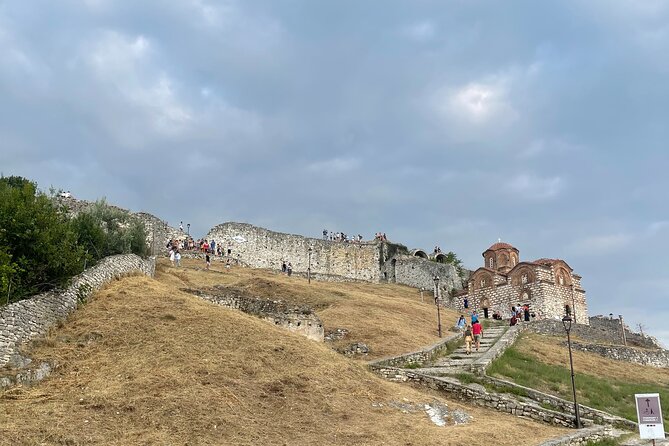
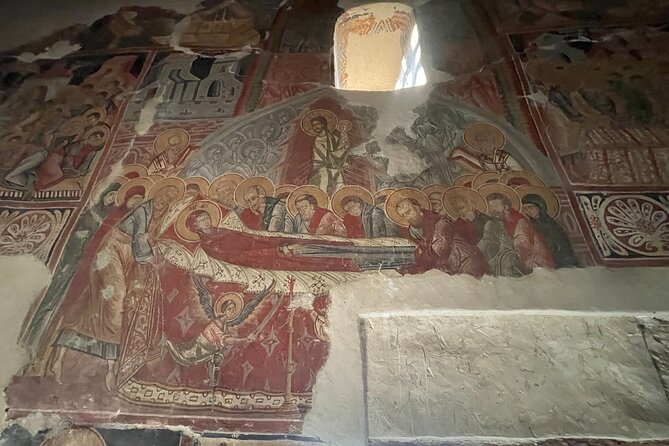
You get about 2 hours in Berat with admission marked free. Here is what makes Berat special: the city mixes faith and architecture in a visible way. The Kalaja district has a predominantly Christian Orthodox population, and the area includes churches that date as far back as the 14th century. This helps you understand the feel of the place, because stone buildings and religious spaces are part of everyday views, not just museum objects.
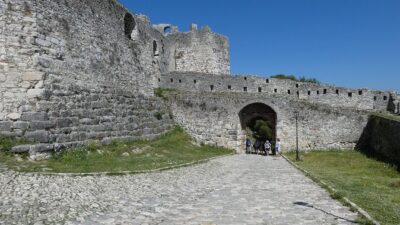
Then you move to Berat Castle, about 1 hour. The castle’s walls date back to the 13th century, and the castle quarter is surrounded by Byzantine churches as well as Ottoman mosques. That mix is the real lesson of Berat: different eras did not erase each other completely. They layered.
One of the best practical moments in the day is the food-and-drink break at a local guest house. The plan specifically includes a chance to try gliko and Turkish coffee. I recommend treating this as a mini performance break, sit down, warm up or cool down depending on the season, and let your guide’s stories sink in before the next climb.
Possible drawback on Day 2: the time is enough for the highlights, but Berat is big on viewpoint hunting and walking. If you are the type who likes to linger in one alley, you might wish you had more than the assigned time blocks. Still, the structure is good for first-timers who want the main hits without exhausting yourself.
Day 3: Durres promenade time and the amphitheater for gladiator-style imagination
Day 3 shifts from inland history to coastal energy. You travel to Durres, a city on the sea where the day includes both a simple promenade stroll and a look at a major historic site.
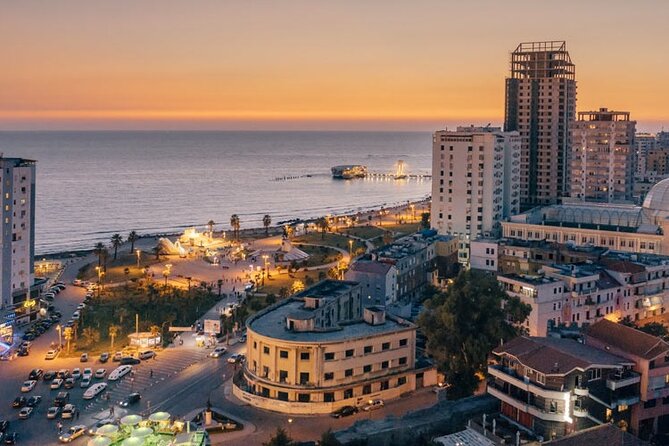
You start with time on the main promenade, about 1 hour included for the stop. This is your chance to reset after two days of steep streets and ruins. The goal is not a full beach day, it is a relaxed walk where you can hear the sea, take a few photos, and feel the change of pace.
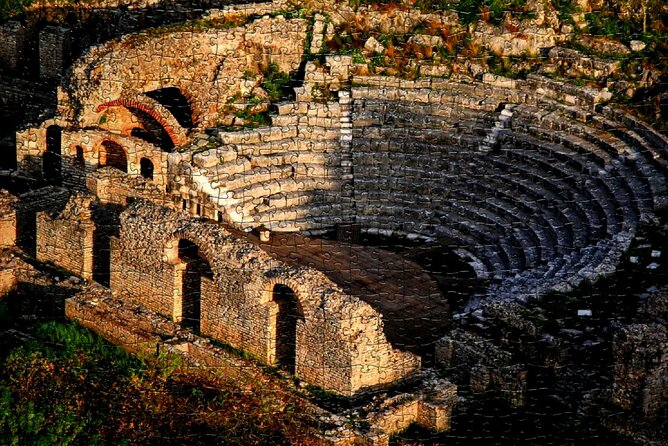
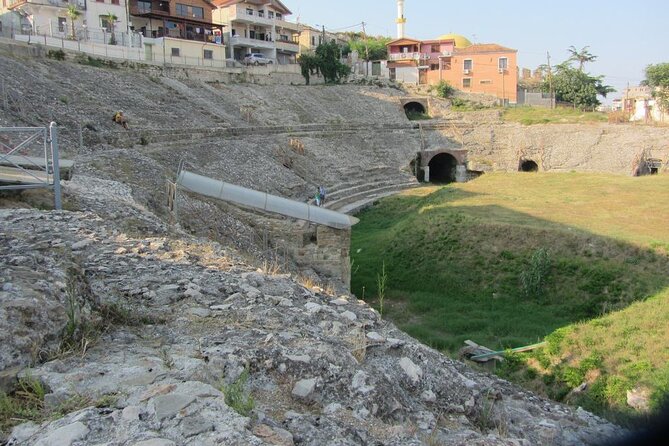
Then you visit the historic amphitheater. The site is known for its connection to gladiator battles, which is why it often shows up in the imagination of people who like Roman-era storytelling. Even if you already know the basic idea, the amphitheater setting helps you picture crowds and spectacle in a more physical way than a book ever does.
After Durres, the tour heads back to Tirana, and that’s where the experience ends. It is a clean finish, a last history stop followed by the drive home.
Possible drawback on Day 3: Durres only gets a short window. If you dream of a long beach afternoon, you will need extra time beyond this 3-day plan. But if you want a well-rounded UNESCO circuit that ends with sea air, the timing works.
Price and what you actually get for $520.40 per person
At $520.40 per person for about 3 days, you are paying for more than transportation. This price includes an air-conditioned vehicle, all fees and taxes, and entrance fees for Butrint and Apollonia. Those two inclusions matter because they are exactly the kinds of sites where ticket lines and extra costs can annoy you mid-trip.
It also comes with a mobile ticket, which is the small modern comfort that keeps the day from turning into paperwork. Pickup is offered too, which usually helps a first day feel less stressful.
The other stops in the plan are marked as free admissions where noted, so you are not paying for every step. That is part of the value story here: the paid pieces are anchored around the big UNESCO sites, while other city moments are built in as walkable experiences.
One thing you should mentally budget for is meals. Lunches and dinners are not included. The schedule gives you time for lunch in Sarandë, but you will still pay for it yourself. If you travel hungry, you will feel the gap in the budget. If you pack snacks for the car and plan one simple meal stop per day, the cost stays more predictable.
Private tour is also key. The setup is described as a private tour/activity, meaning only your group participates. For many people, that is where the value shows up, because you can move at a pace that fits your interests and ask questions without feeling squeezed.
Deeper into the Albanian back story
How the schedule feels in real life, including the long drive days
The biggest “logistics reality” is Day 1 travel time. The plan includes almost 4 hours from Tirana to Butrint, even with small breaks. That is not unusual for Albania, but it is enough that your comfort setup matters.
I suggest you come prepared for car time. Bring a light layer because air-conditioning can swing temps. Also keep water and snacks in your bag. Since lunches and dinners are not included, small snacks can be the difference between a fun day and a cranky day.
Walking is not optional here. Gjirokastër’s cobblestone streets and the path up toward the castle are the kind of terrain that rewards good shoes. Berat and its castle quarter also involve slopes and steps, so plan for short distances that still feel like climbs.
The good news is this tour is described as something most travelers can participate in. That usually means there is no extreme technical requirement. Still, if you have mobility limits, castles and old-town streets will always be the part that slows you down most.
The tour start time is 9:00 am, so you should treat this as a morning-first experience. If you like late starts, you will feel like you are always slightly behind. If you like mornings and hate wasting daylight, you will enjoy the flow.
Guide energy: what it looks like when Zeni and Skerdi run the day
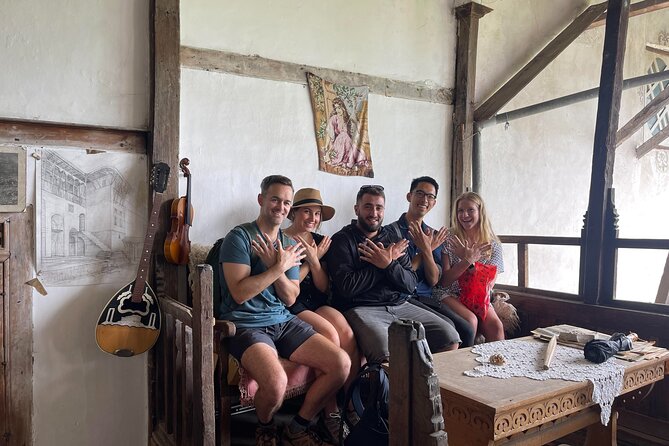
What stands out from the guide experience is the tone. Guides such as Zeni and Skerdi are described as friendly and easy to travel with, not stiff or scripted. That matters because you will hear a lot of cultural and historical information across different eras in just three days.
In practice, a good guide helps you connect the dots fast. You see ancient ruins in Butrint, Ottoman-era city life in Gjirokastër, early ancient stories at Apollonia, and layered architecture in Berat, then you end with Durres and the amphitheater. Without good storytelling, it can start to feel like a checklist. With a strong guide, it turns into a single thread: Albania’s geography shapes its history.
My advice to get more from your guide is simple. Ask one good question at the start of each day, then listen for the answer as you move. If something feels unclear, ask again at the next viewpoint. The guides mentioned in this tour have a reputation for making history feel approachable, so you do not have to translate everything yourself.
Who this tour suits best, and who might want a different plan
This UNESCO circuit fits best if you want a serious overview of Albania without planning every detail yourself. It is built for people who like variety: ruins, Ottoman streets, churches and mosques in one castle quarter, plus a coast finish in Durres.
It is also a good choice for first-timers to Albania who want the iconic UNESCO names without sacrificing comfort. The included air-conditioned vehicle helps, and the day structure gives you a mix of walks, viewpoints, and time to sit down for coffee in Berat.
Who might not love it? If you want long stays at each site, this may feel too structured. Key stops have short windows, like the bazaar and fortress segments in Gjirokastër and the 1-hour stop for Durres. If you love slow travel and deep museum time, you might prefer extra days in one region rather than covering five major sites in three days.
Should you book this 3-day UNESCO tour from Tirana?
Book it if you want value in the practical parts: Butrint and Apollonia entrance fees are covered, you get transportation with air-conditioning, and the schedule packs in major UNESCO sights in a way that still leaves time to enjoy the city streets. I also think the guide reputation is a real selling point, especially if you want your history told in a clear, friendly way, not a lecture.
Consider passing or upgrading your trip length if you feel strongly about beach time or if you hate long drives. Day 1 is the trade-off, and meals are on you for lunches and dinners. If that does not bother you, the itinerary structure is a good match for a first Albania adventure.
If you do book, do one thing that makes the trip better immediately: plan comfortable shoes and a small snack strategy. Then let the days move. When you finish in Tirana, you will have seen ancient amphitheater scale, Ottoman hilltop life, and Berat’s stacked views all in one short chapter.
FAQ
What is the price of this UNESCO Heritage Sites in Albania tour?
The tour costs $520.40 per person.
How long is the tour?
It is approximately 3 days.
Where does the tour start, and what time does it begin?
It starts in Tirana, with a start time of 9:00 am.
Is pickup included, and is it a private tour?
Pickup is offered, and it is a private tour/activity where only your group participates.
What is included in the tour price?
The price includes an air-conditioned vehicle, all fees and taxes, and entrance fees for Butrint and Apollonia.
Which entrance fees are specifically included?
Entrance fees are included for Butrint National Park and Apollonia Archaeological Park.
Are lunches or dinners included?
No. Lunches and dinners are not included.
How do tickets work, and can I bring a service animal?
You receive a mobile ticket, and service animals are allowed.
Can I get a full refund if I cancel?
Yes. Free cancellation is available up to 24 hours in advance for a full refund.
More Albanian Tours, Rated

The UNESCO Run Through Albania
Every Albania Review We Have
Latest Albania reviews off the desk
- UNESCO heritage in Albania – 4 days
★ 5.0 · 3 reviews - Transfers Tirana Airport – Sarande – Ksamil – Airport Tirana
★ 4.5 · 3 reviews - Private Transfers from Tirana International Airport to Sarandë
★ 4.5 · 3 reviews - Tirana’s Communist Past: A Tasting Tour with Traditional Lunch
★ 5.0 · 3 reviews - Tirana ⇔ Ohrid, North Macedonia
★ 5.0 · 3 reviews - Tirana and Kruja in a Day Trip
★ 5.0 · 3 reviews
UNESCO Heritage Tours, compared.
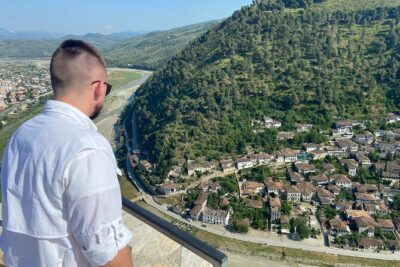 ★ 5.0Berat city UNESCO tour, the Castle & Belshi lake- From TiranaFrom $12804 reviews
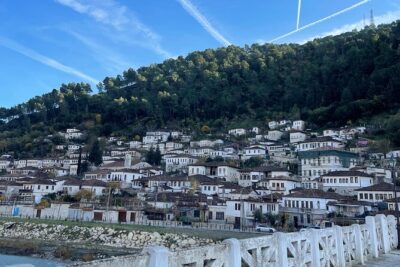 ★ 5.0From Tirana: Berat UNESCO & Belshi Lake Full-Day TourFrom $12118 reviews
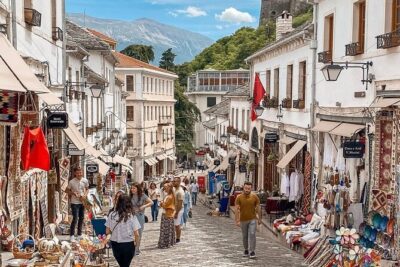 ★ 5.0Gjirokastra UNESCO & Ksamil Beach – From Tirana/Durres/GolemFrom $58117 reviews
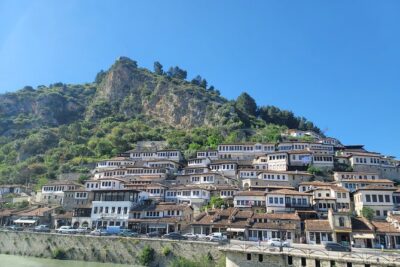 ★ 5.0Berat UNESCO Small-Group Day Tour from TiranaFrom $14231 reviews
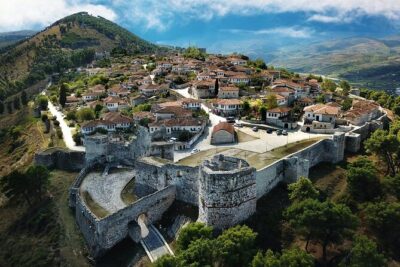 ★ 5.0Small Group Tour; Pearls of Albania in 8 Days (3 UNESCO Sites)From $2,27829 reviews
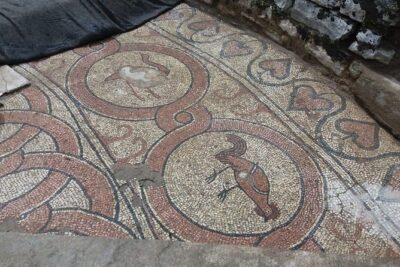 ★ 4.5Ancient City of Butrint, UNESCO World Heritage site – A MustFrom $6327 reviews
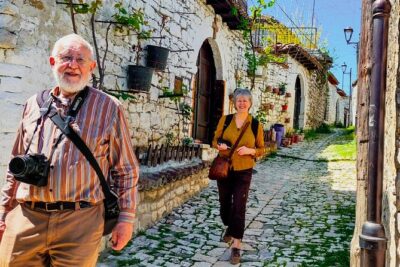 ★ 5.0Berat Day Tour: Explore Albania’s UNESCO City from DurresFrom $8427 reviews
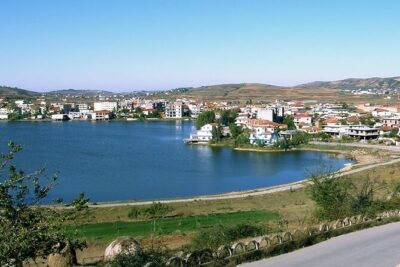 ★ 5.0Day tour of Berat UNESCO city , castle and Belshi LakeFrom $3826 reviews
Browse the lists this tour appears in