
REVIEW · PEAKS OF THE BALKANS TREK
Peaks of the Balkans
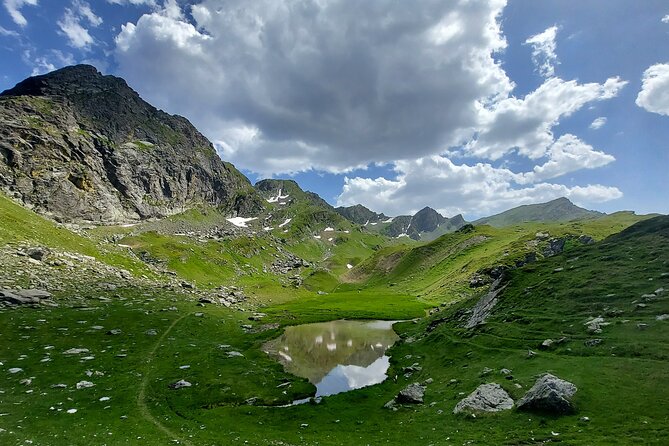
Trekking the Balkans feels oddly personal. This 10-day route starts in Shkoder and rolls through Theth, Valbona, and the Accursed Mountains region, with planning that flexes when conditions change. I love that the price covers the big stuff, accommodation and meals, so you are not constantly solving logistics. I also love the way the guide keeps things smooth, including practical route help and safety focus. One possible drawback: you need moderate physical fitness, and some legs are more serious than a casual stroll.
You get a small-group format, with a maximum of 10 people, and the tour includes a pickup option so you are not stressed about the first handoff. The tour runs in English, starts at 10:00 am, and ends back at the meeting point, so you are not left guessing how to get home after the final hike.
Expect daily walking that ranges from steady scenic trails to more challenging days, depending on weather and your pace. The team is used to swapping routes when needed, and you may also get GPX-style guidance that makes navigation easier between stops.
In This Review
- Key things to know before you lace up
- Where the trek starts: Shkoder, your first mountain handoff
- The core hiking route: Theth to Valbona, then on through Cerem, Plav, and Vuthaj
- Why the guide and route support matter more than you think
- A day-by-day feel: variety each day, plus weather swaps
- Food, lodging, and transport: what’s included and why it’s good value
- Price and logistics: is $1,384.73 per person “worth it”?
- Fitness and gear: how to prepare for moderate to serious hiking
- Who this Peaks of the Balkans trek suits best
- Should you book Peaks of the Balkans with Wilderness Balkans?
- FAQ
- How long is the Peaks of the Balkans tour and when does it start?
- What towns and hiking areas are included on the route?
- Does the tour offer pickup in Shkoder?
- What is included in the price, and what is not?
- What fitness level do I need?
- Can I cancel for a full refund?
Key things to know before you lace up
- Small-group cap (10 people) keeps the pace manageable and makes it easier to get help when the trail turns.
- Route flexibility in bad weather is a real part of the experience, not an afterthought.
- English-speaking guidance plus route support means you can focus on walking instead of figuring things out.
- A multi-country mountain run through Albania and onward into Kosovo and Montenegro style terrain.
- Included lodging, food, transport, guide time, and fees is what makes this feel like good value, not “cheap but messy.”
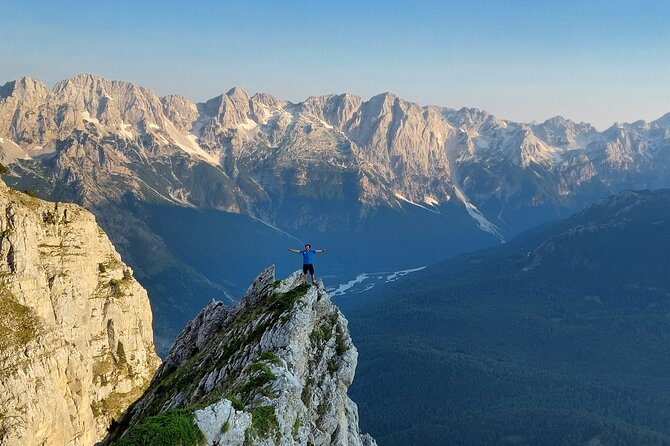
- The Accursed Mountains focus shows up in daily hiking variety, with highlights like Maja e Thate mentioned in the route area.
Still weighing it up? These are the Albanian trips people book most often after reading this one.
- Theth Albania Jeep Day Tour★ 4.5 · 19 reviews
- Peaks of the Balkans★ 5.0 · 10 reviews
- Stand Up Paddle Board or Kayak Rental in Shkodër★ 5.0 · 4 reviews
- 3 Days-Tour Exploring the Best of Thethi National Park★ 5.0 · 3 reviews
Where the trek starts: Shkoder, your first mountain handoff
Shkoder is your starting point, and it matters because the first day sets the tone. The tour begins at 10:00 am, and there is pickup offered. If you do not want to meet in a random place, you can coordinate a meeting spot together in advance.
The practical upside of starting in Shkoder is simple: it is easier to connect to onward plans than starting deep in the mountains. The tour also notes it is near public transportation, which is helpful if you are building your trip around a larger Balkan plan.
Once you meet your guide, the day is usually about getting organized and orienting you to what comes next. Several past hikers specifically praised how the guide explained the itinerary and then kept things moving, which is exactly what you want before your first steep stretch. Names that come up in the experience include Adriatik Gacaferi, and for some hikers, Tiku was the guide leading day-to-day hiking and keeping the pace steady.
The core hiking route: Theth to Valbona, then on through Cerem, Plav, and Vuthaj
This is not a single-track “one trail, one view” hike. It is a route through a sequence of mountain destinations, usually beginning in Theth and continuing toward Valbona. From there, the itinerary moves through places like Cerem, Doberdol, Milishefc, Reka Allages, Babino Polje, Plav, and Vuthaj, plus other nearby spots.
What makes that route format work is variety. Each stop gives you a different daily walk feel, even when the overall region remains the same. You get multiple valleys and different trail angles, so you are not doing the same kind of path over and over.
Here’s how I’d think about the sequence, in plain terms:
- Theth is where you likely settle into mountain rhythm. It is the first big “you are actually in the mountains now” step.
- Valbona tends to be the next main valley experience, and it is where many hikers expect the hiking to start feeling more mountain-serious.
- Cerem and Doberdol are part of the middle stretch, where the day-to-day pacing can feel like a mix of steady hiking and longer views depending on conditions.
- Milishefc and Reka Allages add more variety in terrain and village atmosphere, which helps break up the days.
- Babino Polje is a named waypoint that signals you are deep in the high-region trekking loop.
- Plav and Vuthaj are later-stage highlights. The walking keeps its mountain feel, and you finish with that “we kept going” satisfaction.
A heads-up from the overall style of the trip: the hikes are not described as easy walking. The tour requires moderate physical fitness, and one of the experience notes also suggests the fit is best for intermediate to professional-level hikers. If you are comfortable hiking daily with a pack and you are not afraid of some steep sections, you will likely enjoy this. If not, you might feel underprepared once the days stack up.
Why the guide and route support matter more than you think
On paper, Peaks of the Balkans includes accommodation, food, transport, guide service, and fees. In real life, that matters because you avoid the two biggest trip-killers in mountain trekking: unclear logistics and confusing route choices.
The guide names that pop up in the experience include Adriatik Gacaferi, and the overall reputation is consistent. People loved how the guide:
- adjusted plans when weather changed,
- prioritized safety,
- explained what you are seeing and why it matters, and
- kept the trip running smoothly so you could just walk.
One detail that stands out is that route support can include GPX files. Even if you are not self-navigating every minute, having GPX-style files makes the route feel calmer. You are less likely to waste time in the “wait, is this the right turn?” moments.
There is also a benefit that you might not notice until day 3: being with a local guide who understands mountain culture can change the hike from just photos into something more useful. Past hikers specifically brought up mountain culture, flora, fauna, and history as part of the guiding experience. You still get exercise, but you are not just collecting steps.
If you care about comfort, you will also like how guides handle transitions. The experience includes transport, plus arrangements for lodging. That means you can focus on hiking while the team deals with getting you to the next base.
A day-by-day feel: variety each day, plus weather swaps
The biggest promise of this trek style is daily variety. One of the highlights mentioned is that each day has a different hiking path. That is not just “nice.” It helps your body. If every day felt identical, your joints would protest by day 5.
It also helps mentally. You tend to build momentum when each day has a new shape and new terrain. Even when the names of the destinations are familiar in your head, the walking details change enough to keep it fresh.
Weather matters here, and the guide role becomes even more important when conditions shift. Several hikers specifically praised last-minute changes due to unexpected weather and the ability to make those changes happen without ruining the trip. The lesson for you: if a route looks a little rough on a given morning, trust the plan. The guide is not trying to be tricky. They are trying to get you safely through the day and still deliver good walking.
How hard is it? The tour asks for moderate physical fitness. Then a separate note suggests intermediate to professional-level hikers, depending on the path you are put on and the way conditions land that week. Your best self-check is simple:
- Can you walk several hours a day without needing constant breaks?
- Can you handle uneven paths under changing light and wind?
- Are you okay with some steep stretches and a pack?
If yes, you are in the sweet spot for enjoying the whole route, not just the easy segments.
Food, lodging, and transport: what’s included and why it’s good value
This tour’s value is easiest to see when you compare “included” items versus the hidden costs of doing it yourself.
Included:
- accommodation
- food
- transport
- guide
- fees
Not included:
- flight ticket
- flight-related fees
So you are paying for the structure that makes a multi-day mountain hike actually work. You are not spending your evenings tracking down guesthouses, negotiating the next leg of transport, or stressing about how you get from one named area to the next.
Also, when food and lodging are included, you can plan your energy. Hikes like this reward smart pacing and steady fuel. You do not want your day to turn into a scavenger hunt for lunch because you are trying to save a few dollars.
One of the strongest points that comes through in the experiences is that the food is delicious, and that the overall service level keeps the days from becoming chaotic. That is a big deal on remote-feeling routes. Even small smoothness details, like having the next lodging sorted, can make the hike feel easier than it really is.
Price and logistics: is $1,384.73 per person “worth it”?
At $1,384.73 per person for about 10 days, you are paying roughly $138 per day before you even count the value of guide time. That number looks simple, but the real question is what you are buying.
You are buying:
- daily hiking guidance across multiple destination areas,
- accommodation and meals,
- transport between parts of the route,
- access to the fees that come with running a multi-day itinerary.
If you try to self-organize a comparable route, these things tend to get expensive fast, and they tend to get stressful fast. In a place where timing and local connections matter, paying for someone else’s coordination can be the difference between an enjoyable hike and a tense logistics project.
The small-group limit of 10 people also helps you feel the difference. You are not getting herded like a tour bus version of hiking. If you want attention, questions answered, and plan changes handled quickly, small groups are a plus.
Fitness and gear: how to prepare for moderate to serious hiking
The tour sets moderate physical fitness as the requirement. Some advice in the experience notes suggests the fit leans toward intermediate to professional-level hikers. So you should plan like you are somewhere in the middle to upper range.
Pack for mountain days, not city walking:
- comfortable hiking shoes with solid grip
- layers for temperature swings
- rain protection, since weather changes are part of the plan
- a day pack for water and snacks
- a headlamp or flashlight for late evenings
- basics for blister prevention
Also, bring an attitude that accepts route changes. If conditions are rough, the guide may swap plans. That is not a failure. It is good decision-making.
One more practical point: since the tour starts in Shkoder and ends back at the meeting point, plan your local transport accordingly. The tour notes the start time is 10:00 am and the meeting is coordinated, so make sure you do not schedule something risky the same morning.
Who this Peaks of the Balkans trek suits best
This is a strong match if you:
- want a multi-day hike with real mountain pacing,
- care about having a guide who pays attention to safety,
- enjoy learning as you walk, including mountain culture, flora, fauna, and history,
- prefer a small group where your day-to-day needs get handled without drama.
It is also a solid choice if you like planning-light travel. You still choose your dates and you show up ready, but the day-to-day operational work is handled by Wilderness Balkans and the guide team.
If you are a beginner hiker who wants easy trails and lots of lounging, this might be too much. If you can hike daily and you want the challenge plus the satisfaction of moving through multiple mountain valleys, it fits.
Should you book Peaks of the Balkans with Wilderness Balkans?
Yes, I’d book it if you want a guided, logistics-light mountain trek that actually runs from Shkoder through named mountain areas like Theth, Valbona, Plav, and Vuthaj. The combination of included accommodation and meals, small-group size, and guide flexibility in weather adds up to real value.
Skip or think twice if:
- you dislike hiking daily for a full week plus,
- you prefer fully predictable routes with no changes,
- you only want easy walking.
One smart way to decide is to be honest about your hiking comfort. If you can handle uneven trails and you have done at least a few multi-hour hikes recently, you will probably love this style of Balkan mountain travel.
FAQ
How long is the Peaks of the Balkans tour and when does it start?
The tour is about 10 days and starts at 10:00 am. It ends back at the meeting point in Shkoder.
What towns and hiking areas are included on the route?
The route typically moves from Theth to Valbona, and continues through areas such as Cerem, Doberdol, Milishefc, Reka Allages, Babino Polje, Plav, Vuthaj, and other nearby spots.
Does the tour offer pickup in Shkoder?
Pickup is offered. The tour notes that you can set up a meeting point together with the travelers, and it is near public transportation.
What is included in the price, and what is not?
Included are accommodation, food, transport, guide service, and fees. Not included are the flight ticket and flight fees.
What fitness level do I need?
The tour asks for moderate physical fitness. Some hikers also advise this trip for intermediate to professional-level hikers.
Can I cancel for a full refund?
Yes. Cancellation is free up to 24 hours before the experience’s start time for a full refund. If you cancel less than 24 hours before, the amount is not refunded.
Every Albania Review We Have
Latest Albania reviews off the desk
- 3 Days-Tour Exploring the Best of Thethi National Park
★ 5.0 · 3 reviews - Stand Up Paddle Board or Kayak Rental in Shkodër
★ 5.0 · 4 reviews - Peaks of the Balkans
★ 5.0 · 10 reviews - Theth Albania Jeep Day Tour
★ 4.5 · 19 reviews
Peaks of the Balkans Trek, compared.
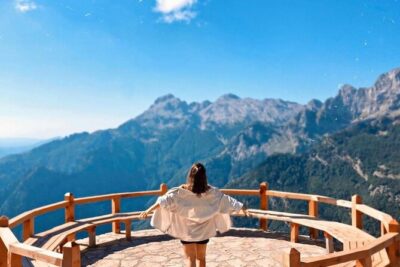 ★ 5.0Self-guided: Peaks of the Balkans Tour in 8 daysFrom $1,36632 reviews
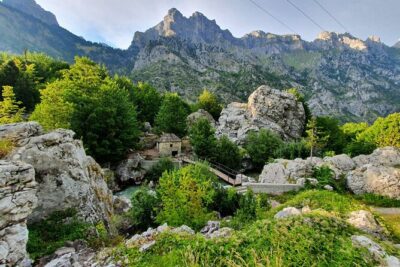 ★ 5.0Self – Guided Peaks of the Balkans tour in 7 daysFrom $1,23727 reviews
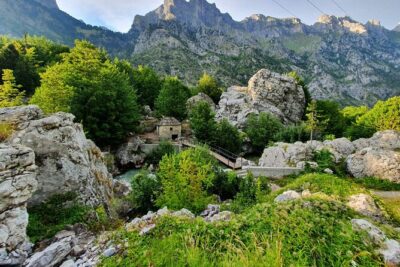 ★ 5.0Peaks of the Balkans Tour: Theth, Valbona & Koman Lake in 5 daysFrom $1,23711 reviews
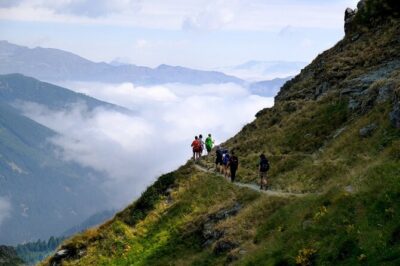 ★ 5.0Self – Guided Peaks of the Balkans tour in 10 daysFrom $1,71810 reviews
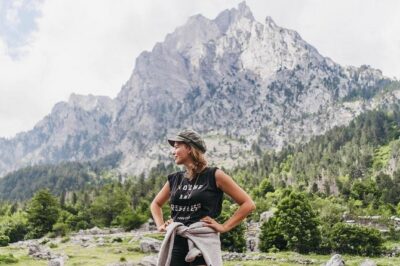 ★ 5.0Small Group Hiking Tour; Peaks of the Balkans Trail in 7 DaysFrom $1,9928 reviews
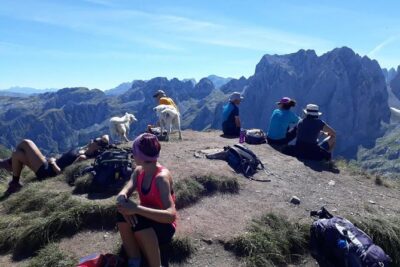 ★ 5.0Semi-Private Hiking Tour; Peaks of the Balkans in 10 daysFrom $1,9648 reviews
 ★ 5.012 Day Self-guided Tour: Peaks of the BalkansFrom $1,1866 reviews
 ★ 5.0Peaks of the Balkans – 8 Days TourFrom $1,2726 reviews
Browse the lists this tour appears in