
REVIEW · MULTI-DAY TOURS OF ALBANIA
Highlights of Albania
Albania packs a lot into one week. I love the private guide aspect, especially when it turns a stop into a real conversation. I also love that this route hits three UNESCO sites and then keeps going to beaches, monasteries, and castles. One thing to consider, though, is the pace: you will spend real time on the road between regions.
From Tirana’s Ottoman-to-communist-to-modern story, to the stone towns in the south, the trip feels like a guided highlight reel that still leaves space to ask questions. The best part is how much the tour builds context as you move. You get the sense of Albania, not just photos.
The only real drawback is value planning: the tour includes breakfast and selected admissions, but lunches and dinners are on you. If you hate planning meals, budget a little extra and keep it simple.
In This Review
- Key points I’d use to decide fast
- Price and logistics: what your $2,195.63 per person actually covers
- Tirana first: Scanderbeg Square, Mother Teresa Square, and Bunk Art
- Kruje and Lezhe: Skanderbeg in two different moods
- Shkodra: Rozafa Castle views and a handcraft detour
- Durres to Berat: Roman walls, Hadrian’s amphitheater, then UNESCO windows
- Ardenica and Apollonia: monasteries, myths, and classical ruins
- Vlora and Zvernec: Ottoman independence on the coast
- Ali Pasha Castle, Borsh beaches, and Saranda’s high-energy viewpoints
- Butrint and the Blue Eye: UNESCO ruins plus ice-cold water
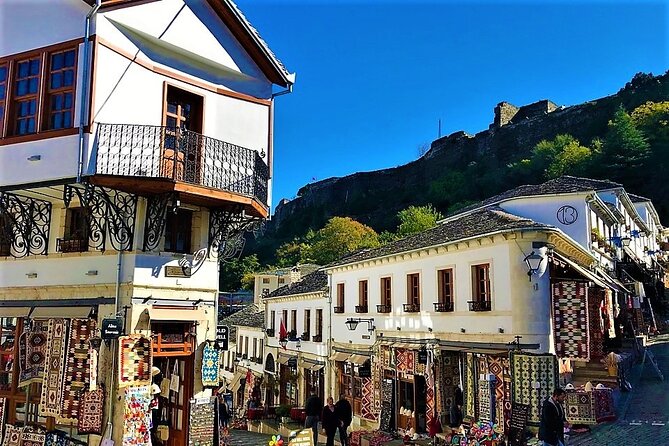
- Gjirokaster’s stone streets: UNESCO houses built for steep slopes
- Back in Tirana: the pie stop and a free afternoon
- Should you book this Albania Express Travel week?
Key points I’d use to decide fast
- Three UNESCO World Heritage Sites in one 8-day run: Berat, Gjirokaster, and Butrint.
- Private, personalized pacing with a real driver/guide and air-conditioned transfers between stops.
- Hotel breakfast included for all 7 nights, which makes the schedule feel easier day to day.
- Major admissions covered on standout stops like Butrint, the Blue Eye, Ardenica, Apollonia, and Ali Pasha Castle.
- Guide names matter here: Adam is repeatedly singled out for going beyond the script, and Alma for fast, clear booking communication.
Longer loops through Albania that we have driven
- Private 4 Day Tour of Albania from North to the South★ 5.0 · 36 reviews
- Small Group Tour; Pearls of Albania in 8 Days (3 UNESCO Sites)★ 5.0 · 29 reviews
- Berat Day Tour: Explore Albania’s UNESCO City from Durres★ 5.0 · 27 reviews
- Discover the Best of Albania: 7 Days of Highlights & Hidden Gems★ 5.0 · 25 reviews
- Best Places To Visit in Albania Tour in 5 days★ 5.0 · 15 reviews
Price and logistics: what your $2,195.63 per person actually covers
This price, $2,195.63 per person for about 8 days, is high only if you compare it to do-it-yourself Albania. But compared to what you get, it starts to make sense.
You are paying for a private tour, not a bus group. That means someone handles the flow from airport to hotel, then from city to city, with an air-conditioned vehicle. You also get 7 nights of accommodation and breakfast included, which quietly saves you money and mental effort. On top of that, the tour lists pickup offered and includes a mobile ticket.
What is not included is just as important. Lunches and dinners are on your own, and the listing also says all fees and taxes are not included. Translation: do not assume every meal or extra admission is covered. If you travel light on expenses and you like eating where locals eat, you can keep it comfortable. If you want every hour handled for you, you may end up spending more than you expect.
One more practical note: this is a road-heavy route through north and south Albania. Expect frequent driving days and some walking at sites like castles and archaeological parks. Bring shoes that can handle hills, cobblestones, and uneven stone.
Tirana first: Scanderbeg Square, Mother Teresa Square, and Bunk Art
Tirana on Day One is the kind of start that helps everything else click. After meeting your guide at Rinas Airport at 8:30 am, you head to the hotel, reset briefly, then get introduced to the city by foot and by story.
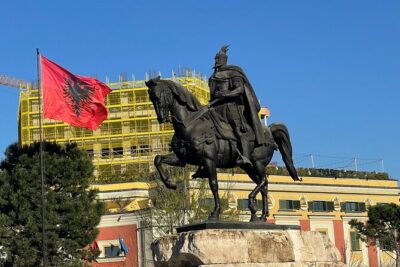
You begin at Skanderbej Square, described as the largest square in Europe, then layer in key landmarks: the Et’hem Bej mosque, the monument to Albania’s national hero Scanderbeg, the Opera house, and the Clock tower. It is a compact way to see how the city’s power has changed hands over centuries, from Ottoman influence to communist-era planning to the modern city trying to look forward.
Then you pivot to the slightly strange and very Albanian sides of Tirana: the Pyramid monument and Bunk Art museum. That stop matters because it frames what came before the country’s current shape. After that, you move through Government building and end with Mother Teresa Square.
If you like cities where history feels layered rather than museum-dry, Tirana is a smart first stop. You also get the benefit of an earlier start that keeps jet lag from turning the city walk into a nap.
Kruje and Lezhe: Skanderbeg in two different moods
Kruje is the first big “Albania legend” day. You drive after breakfast up to the medieval city of Kruja, high above sea level for panoramic views. The setting helps: you feel why this place mattered as a defensive bastion.
Here, the story is tied tightly to Skanderbeg. Kruja is presented as a resistance stronghold during the 15th century, linked to his long fight against the Ottomans. You visit the Gjergj Kastrioti Skanderbeg Museum, located inside castle walls with ancient roots. The museum was inaugurated in 1981, and the castle area also includes the Ethnographic Museum and the Dollma Tekke.
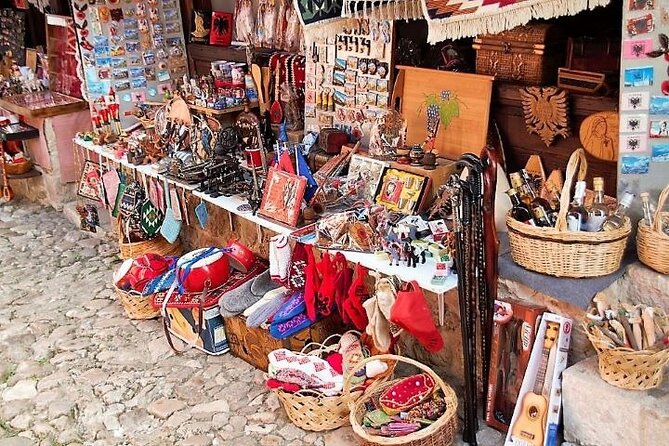
A practical bonus is time for the old bazaar near the castle entrance. This is where the tour leans into everyday craft: embroidered items, carpeting, silver objects, copper work, filigree, traditional clothing, antiques, and stone or alabaster pieces. If you like souvenirs that feel handmade instead of factory-produced, this is one of your best shots.
Then you roll on to Lezhe on the way toward Shkodra. Lezhe is tied to the ancient name Lissus and to the political moment that mattered in 1444: the League of Lezha uniting Albanian princedoms against the Ottomans.
You visit the memorial tomb of Gjergj Kastrioti Skanderbeg, built over ruins of Saint Nicholas cathedral. Inside are 25 shields symbolizing victories of Skanderbeg’s army, which makes the stop feel visual rather than abstract.
The only downside here is that history gets dense. If you love long explanations, you’ll enjoy it. If you prefer fewer facts and more free time, plan to take breaks during transitions and ask your guide to simplify when needed.
Shkodra: Rozafa Castle views and a handcraft detour
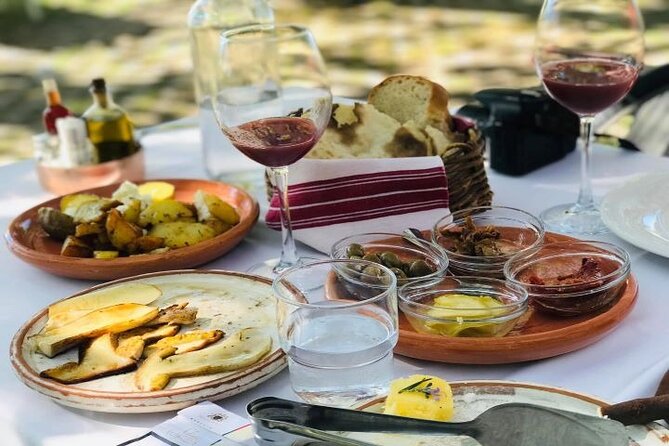
Shkodra is one of those cities where the “top sight” and the “local craft” both deserve attention. You start with Rozafa Castle, a fortress set high enough that you get spectacular views all around. The tour frames the castle as a place where the Illyrians would have felt their power over enemies. Even if you are not a history nerd, the view does the talking.
After the castle, you walk the newly renovated pedestrian area, described as Italian and Austrian architecture. That detail matters because Shkodra sits in a region that absorbed influences from multiple directions.
Then you go to a stop that feels personal and different from the big-ticket sites: the Viennese mask factory near the city. Here, Venetian masks are made by hand, using traditional techniques plus contemporary decoration. Expect intricate details, bright colors, fancy feathers, gold leaf, and crystals. The tour presents these as exported all over the world.
That mask stop is a nice change of pace, especially on a day that already includes castle time. It also helps explain how Albania can produce serious art without acting like a theme park.
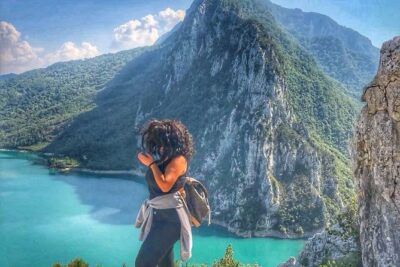
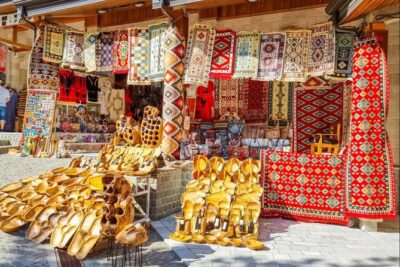
Durres to Berat: Roman walls, Hadrian’s amphitheater, then UNESCO windows
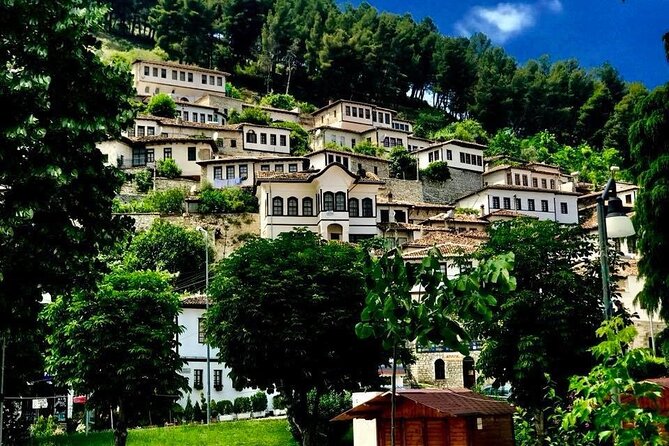
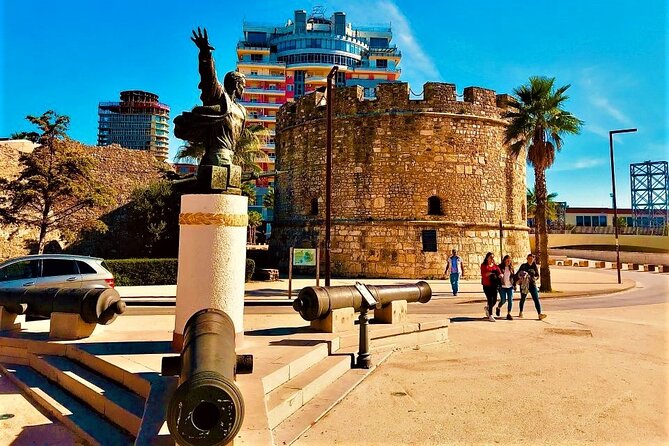
Durres gives you the Roman side of Albania quickly. This is the country’s biggest seaport, and the tour describes Durres as nearly 3,000 years old. You also get a feeling for how much there still is to explore under the modern city.
The big hit is the amphitheater of Hadrian with about 15,000 seats, described as the second biggest in the Balkans. Nearby you see mosaics from a small church and bath-houses from the 2nd century. You also have the Byzantine forum with marble columns and a remaining chunk of the city castle wall. It is one of those places where the scale surprises you once you stand in it.
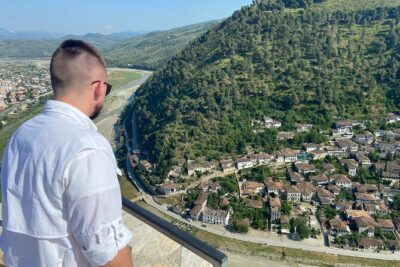
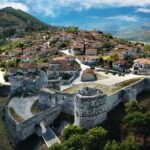
Then comes Berat, called the city of a thousand windows and UNESCO-listed since 2005. Berat Castle is your first stop, with views over the town and a mix of museums, churches, and a mosque. The tour also notes that residents still live inside the castle area, which makes it feel like a living heritage site instead of a stage set.
Inside the castle, you visit the Cathedral of St Maria, with part turned into an icon museum. The name Onufri comes up as a 16th-century iconographer, plus his son Nikolla. The museum is described as holding over 100 icons, which gives this stop an art focus rather than only architecture.
After that, you walk through the old town: Gorica bridge, King Mosque, Halveti Tekke, and quarters like Mangalem. If you like cities where every street seems to tilt for a view, Berat is a highlight.
The only consideration is that Berat is best enjoyed at a slower pace. The tour gives you a guided look, but you might still want a little extra time to linger at viewpoints if you are the type who likes lingering.
Ardenica and Apollonia: monasteries, myths, and classical ruins
Day Four turns the volume up on cultural variety. You stop at Ardenica Monastery first. The tour says the monastery sits on the site of a pagan temple dedicated to Artemis, which connects the name Ardenica to older traditions.
It gets historically specific, too. Ardenica is described as covering about 2,500 square meters, built in the Byzantine period under Andronikos II Palaiologos. One of the most interesting details in the tour story is Skanderbeg’s wedding to Donika in April 1451, held at the chapel of St Trinity church, the monastery’s first church built in the 10th century.
Then you visit St Mary’s Church. The tour notes it uses stones from the antique city of Apollonia and includes frescoes inside. That open-porch architecture makes the visit feel human, not cold and distant.
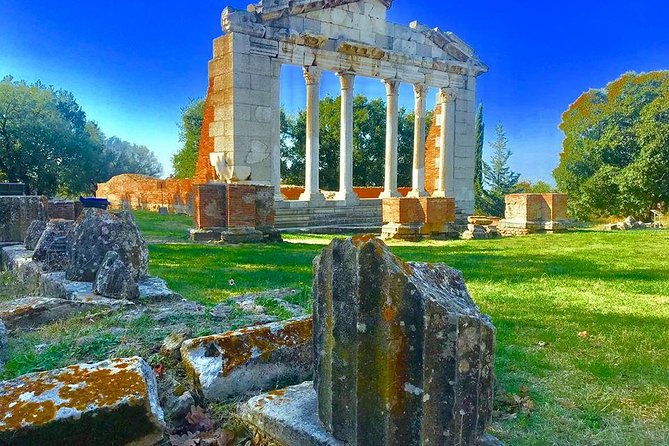
Next you go to Apollonia Archaeological Park, an ancient Illyrian city. The tour describes it flourishing in the 4th century AD and functioning as a major economic and trade center. The Greek colonizers are mentioned, and the site is framed as a mix of monuments, archaeology, and the setting around the ruins.
This is a stop that pays off if you like “slow looking.” Even if you are tired, Apollonia tends to reset your attention because you are seeing layers of settlement patterns.
Both of these stops include admission on the listing, so you know the tour is paying attention to the core experiences, not just exterior photos.
Vlora and Zvernec: Ottoman independence on the coast
In Vlora, the tour shifts from ancient sites to modern national milestones. The stop is tied to Albania claiming independence from the Ottomans in 1912. You visit the Museum of Independence, which gives you context for how the country got from past rule to a modern identity.
Then you visit Zvernec Monastery. The listing does not go deep here, but the placement makes sense because coastal monasteries often add a calmer rhythm after the archaeological intensity of the morning.
If your legs are getting tired by Day Four, take advantage of the drive time and keep water handy. This is still a tour with multiple stops and not a free-form day.
Ali Pasha Castle, Borsh beaches, and Saranda’s high-energy viewpoints
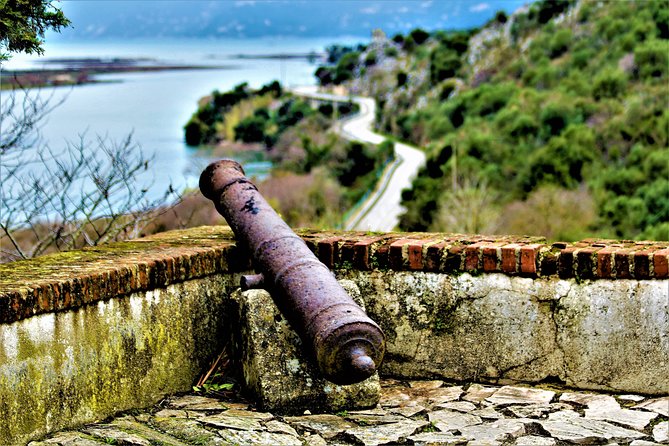
Day Five is about the Albanian Riviera mood. You start with Ali Pasha Castle, described as the crown jewel of the area. The setting is unusual, built on the hill of an island connected to shore by a narrow man-made strip of land. The castle’s triangular shape and three bastions are part of why it grabs your attention.
The tour also dates it to 1814, built at the request of Ali Pashë Tepelena, after the destruction of Justinian’s castle. Across the way sits the church of St Nicolas, which helps you see the complex as a living defensive and religious landscape.
Next is Borsh, known for rugged coastline, isolated bays, and golden beaches with turquoise water. This stop works best if you like contrast. You go from castle geometry to coastline softness.
Then you reach Saranda, described as the unofficial capital of the Riviera, especially lively in summertime. You stop at Pasqyra Beach, which the tour says is rarely crowded even in peak season. After that, you go to Lekursi Castle from the mid-1500s, high above the town with panoramic views.
One of the more distinctive Saranda details is about the Jewish community during World War II. The tour claims the Land of the Eagles was the only country in Europe that was a safe haven for the Jewish community from concentration camps. Treat that as part of the story your guide brings to the region, and ask questions if you want more nuance.
The consideration here is comfort. Beaches and castles are exposed to sun. Bring sunscreen and a hat, even if you think you will only walk for a short time.
Butrint and the Blue Eye: UNESCO ruins plus ice-cold water
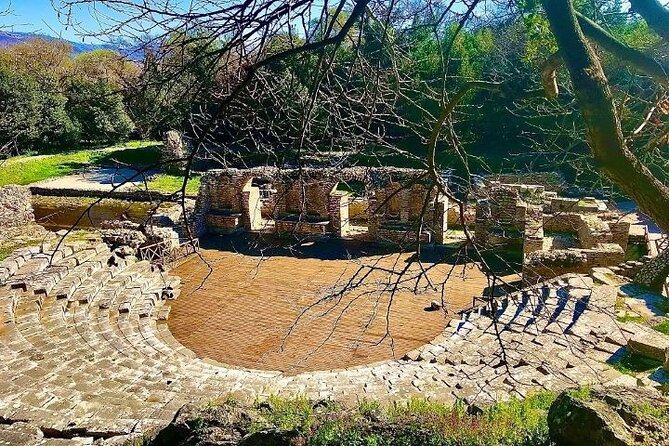
Day Six is a heavy-hitter day. You start with Butrint National Park, the first Albanian site included on UNESCO World Heritage in 1992. The tour describes Butrint as inhabited since prehistoric times, then connected to Greek and Roman colonies.
The story includes early objects found at the site, mention of Hekateus, and explanations tying the city’s name to Troy and sacrifice themes. If you like myth woven into archaeology, you’ll appreciate this. You also hear about famous discoveries linked to the theater, including a statue of Apollo and marble heads of Zeus and others.
After Butrint, you drive to the Blue Eye, one of Albania’s famous natural phenomena. The tour describes it as a water spring with a turquoise river look. You view it from a small metal balcony built so you can get closer. There are signs that swimming is prohibited, but the tour notes people still jump in, even with the ice-cold water.
This stop is special because it breaks the pattern of ruins and stone towns. It gives you a reset moment where you just watch water do its thing.
The good news: admission for Butrint and the Blue Eye is included on the listing, so you can spend your mental budget on experiences instead of ticket math.
Gjirokaster’s stone streets: UNESCO houses built for steep slopes
Gjirokaster is the third UNESCO World Heritage site on this route. The tour describes it as a carefully preserved city on steep slopes, with stone-roofed houses stacked so tightly they feel built on top of one another.
You also get a strong literary connection. Ismail Kadare is highlighted as the famous author associated with the city, with novels capturing the spirit of Gjirokaster. The tour also brings up Enver Hoxha, noting his childhood home in town.
The key sight is the Castle of Gjirokastra, described as one of the oldest in the Balkans. From there, the views and the sheer weight of the city’s architecture make the experience click.
In the streets, the tour notes limestone and shale paved roads and celebrates local culinary delights. I like this part because it turns a UNESCO stop into something you can taste and feel.
Back in Tirana: the pie stop and a free afternoon
On the way back north, the tour includes a food detour that is practical and fun. You stop at an Albanian fast food called pie, which the tour describes as the Albanian McDonald’s. Pies come in different tastes, and the listing gives a price reference of 50 lek for one piece, around 35 cents.
After that, you return to Tirana and you get a free afternoon. That time is more valuable than it sounds. You can revisit a spot you loved, do quick shopping, or just sit somewhere with a view and let the week settle.
Should you book this Albania Express Travel week?
If you want Albania in one organized private package, this tour makes a lot of sense. It gives you three UNESCO sites, a full sweep of north-to-south variety, hotel breakfast included, and air-conditioned driving handled for you. It also has a real advantage if you care about having a guide who interacts, not just recites.
This tour is a good match if you:
- like history, art, and architecture, but also want beaches and scenic viewpoints
- prefer not to plan hotels, transfers, and admissions day by day
- value a guide who can personalize the experience, like Adam who has been praised for answering questions and for going out of his way on personal connections, with Alma noted for quick responses and clear communication
I would skip it if:
- you hate packed days and frequent driving
- you want total control of every meal, since lunches and dinners are not included
- you need lots of free time to wander unstructured, because the schedule is built around stops
If Albania is on your list and you want a serious introduction without the stress, this is one of the easier ways to get it right.
Longer Loops Through Albania
Every Albania Review We Have
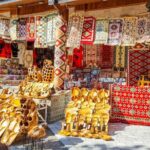
Latest Albania reviews off the desk
- UNESCO heritage in Albania – 4 days
★ 5.0 · 3 reviews - Transfers Tirana Airport – Sarande – Ksamil – Airport Tirana
★ 4.5 · 3 reviews - Private Transfers from Tirana International Airport to Sarandë
★ 4.5 · 3 reviews - Tirana’s Communist Past: A Tasting Tour with Traditional Lunch
★ 5.0 · 3 reviews - Tirana ⇔ Ohrid, North Macedonia
★ 5.0 · 3 reviews - Tirana and Kruja in a Day Trip
★ 5.0 · 3 reviews
Multi-Day Tours of Albania, compared.
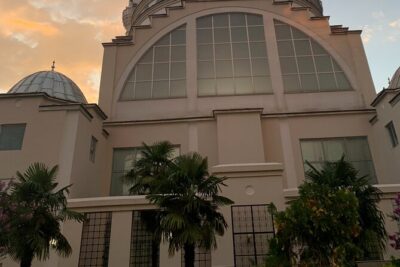 ★ 5.0Private 4 Day Tour of Albania from North to the SouthFrom $83836 reviews
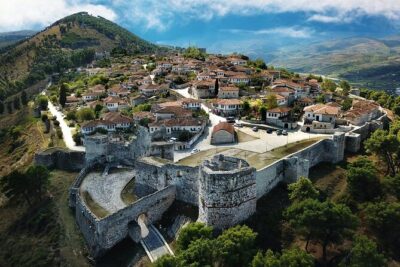 ★ 5.0Small Group Tour; Pearls of Albania in 8 Days (3 UNESCO Sites)From $2,27829 reviews
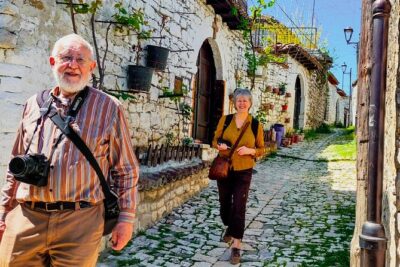 ★ 5.0Berat Day Tour: Explore Albania’s UNESCO City from DurresFrom $8427 reviews
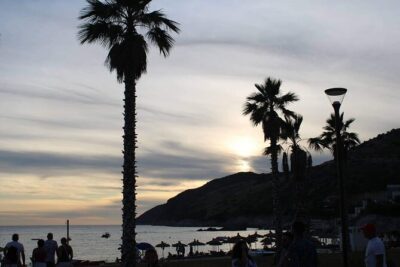 ★ 5.0Discover the Best of Albania: 7 Days of Highlights & Hidden GemsFrom $20425 reviews
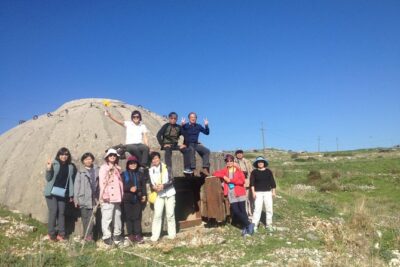 ★ 5.0Full-Day Tour of Albania’s Bunkers and Beaches, from TiranaFrom $14416 reviews
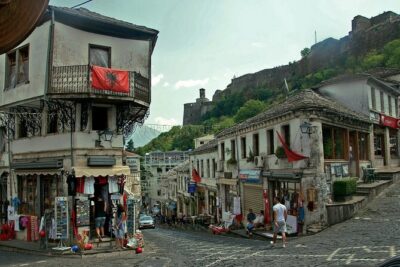 ★ 5.0Best Places To Visit in Albania Tour in 5 daysFrom $66215 reviews
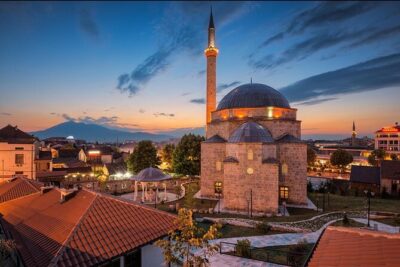 ★ 4.5Semi-Private Tour; N. Macedonia, Kosovo & Albania in 4 DaysFrom $1,25414 reviews
 ★ 5.07 Day Tour of Albania, North Macedonia & KosovoFrom $1,87013 reviews
Browse the lists this tour appears in