
REVIEW · ALBANIAN FOOD, WINE & RAKI
Farm-to-Table Cooking Class with Local Family by 1001 AlbAdv
A cherry village, a local family, and a meal you remember. I love how this experience turns everyday farm goods into something social and fun, not staged. You start with a city pass, then head to Drobonik, known as a cherry village, where the food feels personal.
I also like the built-in tastes that set the mood right away, including local cheeses, olives, bread, and a raki pairing. Another highlight is the dessert details from the day I reviewed, like preserved fruit in sweet syrup, including options where even the walnut shell is edible. One thing to consider is that the whole plan depends on good weather, and you may shift dates if conditions are poor.
In This Review
- What you’ll love, and what to watch for
- Quick key points to know before you go
- Getting oriented: where this experience really happens
- The opening moment: passing Berat’s old bridge
- Drobonik, the cherry village, and what that means for your meal
- Inside the cooking class: how farm-to-table usually plays out here
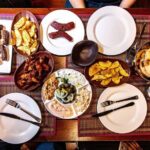
- Tastings you can count on: wine, raki, cheeses, olives, and bread
- The fruit dessert details: preserved in syrup, even the walnut shell
- Tea and honey to close the day
- Price and value: why $72.25 can be fair here
- Group size, English, and who this suits best
- Logistics that matter: weather, timing, and keeping expectations realistic
- Should you book this farm-to-table class?
- FAQ
- What is the duration of the cooking class?
- Where do I meet for the tour?
- Is the tour offered in English?
- What’s included in the price?
- What is not included?
- What happens if the weather is bad?
What you’ll love, and what to watch for
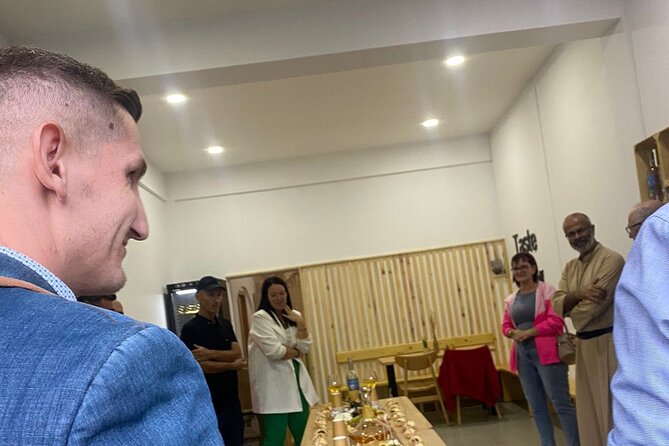
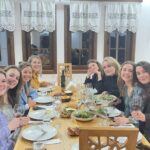
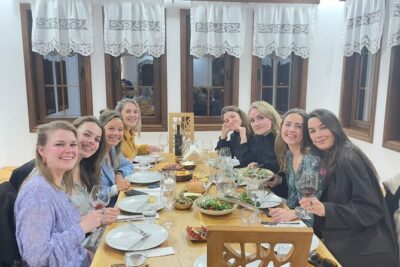
You get a true farm-to-table rhythm: local products, guided by a family, followed by the kind of meal that comes with more chatting than formality. For me, the best part is the way this feels like joining an evening meal, not just attending a class.
The possible drawback is simple: you’re paying for an organized private-transfers setup and a prepared schedule, so if you’re hoping to roam freely on your own for hours, this is more structured than that.
Where else to eat well and pour raki in Albania
- Cooking Classes and Traditional food tasting in Tirana★ 5.0 · 282 reviews
- Local food experience & walking tour of Tirana★ 5.0 · 192 reviews
- Best of Local Food & City Tour of Tirana – Food & Drinks Included★ 5.0 · 160 reviews
- Traditional Albanian Cooking Class in Tirana with Raki Tasting★ 5.0 · 125 reviews
- Berat Cooking Class- Traditional Albanian Cooking Class /By Vato★ 5.0 · 120 reviews
Quick key points to know before you go
- Max 10 travelers means you get time to talk and ask questions, not just watch from the back row
- Drobonik (cherry village) gives the setting meaning, not just a label on a flyer
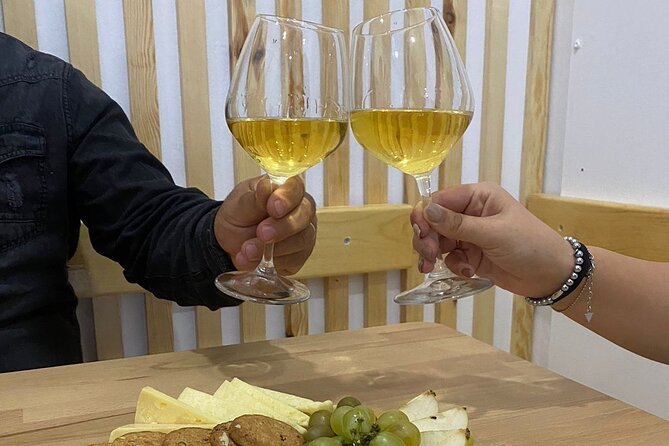
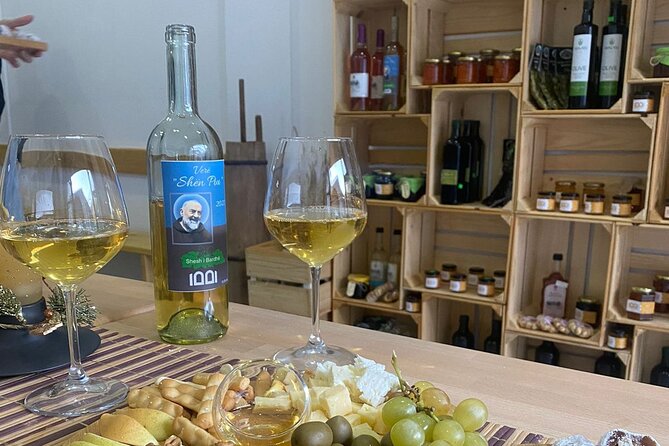
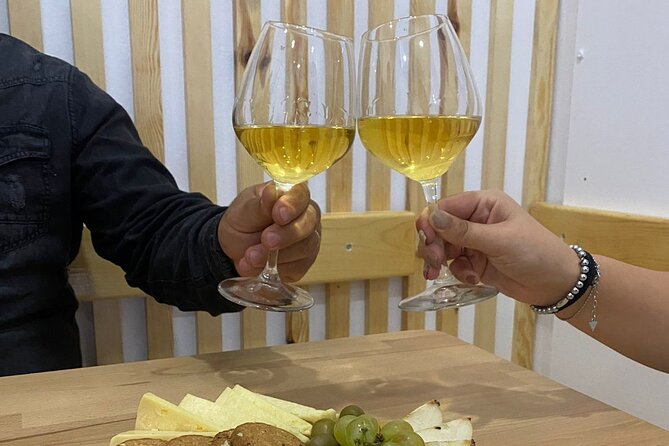
- Farm tastings first often include local wine or blush, cheeses, olives, bread, and fruit desserts
- Raki plus sweet flavors is part of the flow, and it actually makes sense on your palate
- Lunch or dinner included depending on the activity time, so you can plan the day around it
- Good-weather dependent means you should keep expectations flexible
Getting oriented: where this experience really happens
This class is listed for Tirana, but the meeting point is in Berat. You’ll be picked up and handled from there with private transportation, which is a big deal when you’re trying to stitch together a short trip without stressing over local logistics.
The meeting point is Rruga Mihal Komnena 5001, Berat 5001, Albania, and the experience ends back there. That closed loop matters. You avoid the awkward moment of, Okay, now how do I get home?
Language is English, and the group stays small, up to 10 people. If you’re traveling solo, that small size is one of the best practical advantages, because it’s easier to talk to others without the social noise of larger tours.
What to wear: plan for a light-to-normal walking day plus time outdoors if the weather cooperates. Comfortable shoes are smart, because you’re moving between city and village settings.
The opening moment: passing Berat’s old bridge
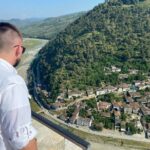
The plan starts with a pass by the old bridge in the city. I like this kind of start because it gives you quick context before you sit down with food and stories later. Even if you only get a view from the road or brief sightlines, it helps your brain lock onto place.
This early segment is also a buffer. It breaks the day into a clean sequence: arrival and orientation first, then out to the food part second. If you’re the type who likes knowing where you are before you learn the details, you’ll appreciate this timing.
Don’t over-plan right after the meeting. Use the time to settle in, hydrate, and let your appetite build.
Drobonik, the cherry village, and what that means for your meal
Your next stop is Drobonik, described as the region’s characteristic cherry village. That matters because this isn’t just a sightseeing stop. In a farm-to-table experience, the setting tells you what the food is likely to center on.
This part is scheduled for about 3 hours there, which gives enough time for the family-hosted flow. The day is built around getting you into contact with local ingredients, then turning them into an enjoyable shared meal.
In my view, a cherry village setting is more than cute. Cherries show up in the regional food culture in different forms, and that shows up in the sweet items served later. When a tour ties the tasting menu to the local identity of the place, you don’t leave feeling like you ate random “local” food. You leave feeling like you ate this place.
Other hands-on sessions around Albania
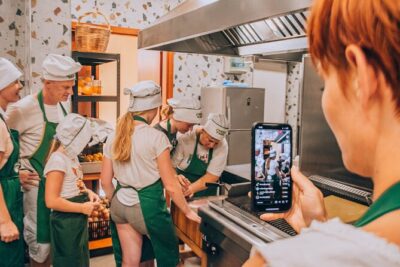


Inside the cooking class: how farm-to-table usually plays out here
The title is Farm-to-Table Cooking Class with Local Family, so expect that the family is doing the teaching while you participate in the process. The details aren’t listed recipe-by-recipe, but the structure is clear from what’s included and what’s served during the day.
You’ll have fresh drinking water included, plus snacks from the family. Then you’ll get the main meal, listed as lunch or dinner depending on the time of the activity. That lunch/dinner switch is important. If you’re booking based on hunger level, check the timing before you plan the rest of your day.
From the tastings described in the day’s review details, the sequence often looks like this:
- Start with drinks and light bites, including local wine or blush
- Move through savory basics like local cheeses, olives, and bread
- Then the sweet part, including fruit dessert variations
- Finish with tea and honey pairings, plus raki served with specific sweets
Even if you’re not a strong cook, you can still enjoy the class because the emphasis is on local food culture and participation with the family. It’s less about scoring points for kitchen skills and more about learning what goes where and why the combinations work.
Tastings you can count on: wine, raki, cheeses, olives, and bread
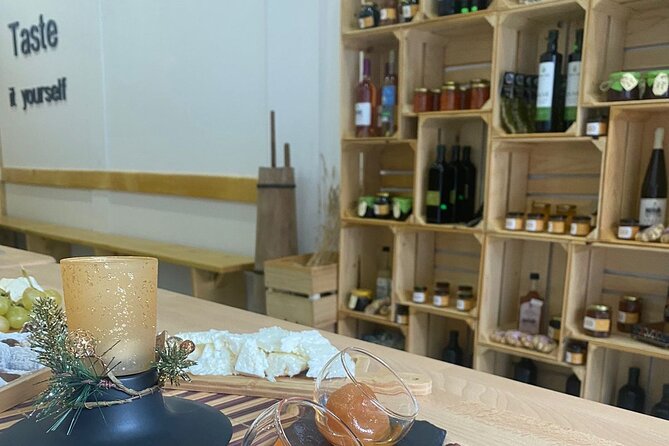
One of the most consistently praised parts of this experience is how the meal begins with taste before you even get deep into cooking. You’re not handed a bare classroom and told to imagine the food. You smell it, sample it, and then the rest makes sense.
The details I saw from the day include:
- A local blush (wine) paired early on
- Local cheeses, olives, and bread
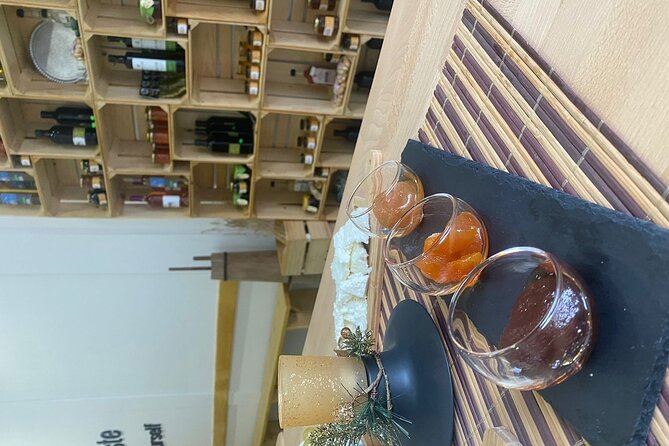
- Then fruit dessert, with options like mandarin, walnut, and cherry
And here’s the clever part that I think you’ll enjoy too: raki is paired with something sweet. If you’ve only had raki as a strong spirit served on the side, this pairing helps it feel balanced instead of overpowering. The sweet flavor gives the raki something to work with, and your taste buds stop feeling like they’re stuck in one direction.
If you’re careful about alcohol, you still get a lot out of the food without needing to go hard. But do keep your pace. A class-day meal plus tastings is still a meal, and you want to stay comfortable.
The fruit dessert details: preserved in syrup, even the walnut shell
This is a standout because it’s unusual and very specific: the fruit dessert can include mandarins, walnuts, and cherries, where the pieces are preserved by soaking and cooking in sweet syrup. What really makes it memorable is that the preparation can include the walnut shell, and it’s described as fully edible and tasty.
This kind of dessert is a great example of why farm-to-table works when it’s done with real locals. It’s not just sugar and fruit. It’s a whole technique shaped by what grows nearby, and how people preserve seasonal harvests for later.
I’d treat this as a tasting opportunity more than a comfort-zone requirement. If you love trying regional oddities, you’ll be thrilled. If you don’t like very sweet flavors, take smaller spoon portions first and then decide.
Tip for your own comfort: sip tea between bites. It helps reset your palate before you go back in for another round of syrupy fruit.
Tea and honey to close the day
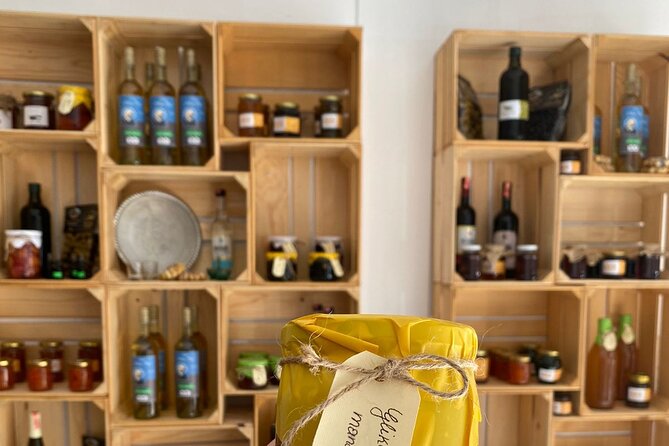
After the savory and sweet parts, the tour finishes with tea and local honey. One option mentioned is mountain tea grown locally in the Berat area, described as aromatic.
This ending feels right. After wine and raki, tea gives you a calmer flavor arc, and honey ties the day back to agriculture without needing more alcohol.
If you’re the type who likes a gentle landing after a food-heavy activity, this ending is a plus. It’s also useful for travel. It means you can walk away with a satisfied feeling, not a chaotic sugar crash.
Price and value: why $72.25 can be fair here
The price is $72.25 per person for about 3 hours 30 minutes. At first glance, that might sound like “just a meal plus transport.” But look at what’s included, and it starts to make more sense:
Included items:
- Lunch or dinner (depending on time)
- Snacks and local hospitality from the family
- Fresh drinking water
- Private transportation
- All fees and taxes
Not included:
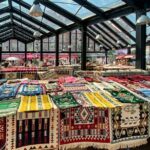
- Purchases you want to make (like bottle of raki, gliko, or handicrafts)
- Tips
So you’re paying for more than food. You’re paying for a local family-hosted structured experience, a small group cap (max 10), and private transport that keeps the day smooth. When a tour includes private transportation and you’re not renting a car, it often saves you money and headaches.
Value also shows up in the pacing. The sequence includes tastings plus a meal, not a rushed single sitting. That’s harder to replicate on your own if you don’t already know the family, the village connection, and the right timing.
Is it a bargain compared to a supermarket picnic? No. Is it good value compared to many “food tours” that are mostly walking with token bites? I’d say yes, because the day feels anchored in real food and family hospitality.
Group size, English, and who this suits best
With up to 10 travelers, this works well if you want conversation and a calmer vibe. English helps, and a small group usually means your questions actually get answered.
I think this suits:
- Solo travelers who want an easy social setup around food
- Couples looking for an authentic food experience without a big show
- People who like learning through tasting, not just watching
- Anyone visiting Berat or the broader area who wants a day activity that ends where it started
If you’re very hard to please about sweetness, go easy on syrup desserts at first. If you don’t like alcohol at all, you can still enjoy the food, but the day is built around wine and raki pairings, so your choices might be more limited.
Logistics that matter: weather, timing, and keeping expectations realistic
This experience requires good weather. If it’s canceled due to poor weather, you’ll be offered a different date or a full refund. That’s one of the fair parts. Weather-based cancellations happen, but at least you’re not stuck with a non-refundable loss.
Timing is also key because the meal type changes. If it’s a lunch-style schedule, you’ll eat earlier. If it’s a dinner-style schedule, expect the day to feel more like an evening event. Either way, the class ends back at the meeting point, so you can plan your next stop without panic.
Service animals are allowed, and most travelers can participate. That said, the tour involves moving from city areas to a village stop, so you’ll want comfortable mobility for a typical half-day outing.
Should you book this farm-to-table class?
Book it if you want a small-group, family-centered food experience tied to a real place, Drobonik, not just generic local tasting. The $72.25 price makes more sense when you see what you get: transport, water, snacks, and lunch or dinner, plus the day is built around multiple taste stops like wine, raki, cheeses, olives, preserved fruit dessert, tea, and honey.
Don’t book it if:
- you’re only interested in sightseeing and not a structured food-focused day
- you need fully predictable meal timing, because it changes between lunch and dinner
- you hate sweet desserts or don’t want any alcohol involved at all
If you like food culture that’s practical and real, this one fits. And if you’re curious about preserved fruit desserts and raki pairings that actually make sense, you’ll probably leave with at least one new favorite flavor.
FAQ
What is the duration of the cooking class?
It’s approximately 3 hours 30 minutes.
Where do I meet for the tour?
The meeting point is Rruga Mihal Komnena 5001, Berat 5001, Albania, and the tour ends back at the same place.
Is the tour offered in English?
Yes, the experience is offered in English.
What’s included in the price?
Fresh drinking water, lunch or dinner depending on timing, snacks/local hospitality, private transportation, and all fees and taxes are included.
What is not included?
Any products you may want to buy, such as bottle of raki, gliko, or handicrafts, are not included. Tips are also not included.
What happens if the weather is bad?
The experience requires good weather. If it’s canceled due to poor weather, you’ll be offered a different date or receive a full refund. You can cancel for a full refund up to 24 hours in advance.
Hands On in Albania
Albania by the Glass and the Plate
Every Albania Review We Have


Latest Albania reviews off the desk
- UNESCO heritage in Albania – 4 days
★ 5.0 · 3 reviews - Transfers Tirana Airport – Sarande – Ksamil – Airport Tirana
★ 4.5 · 3 reviews - Private Transfers from Tirana International Airport to Sarandë
★ 4.5 · 3 reviews - Tirana’s Communist Past: A Tasting Tour with Traditional Lunch
★ 5.0 · 3 reviews - Tirana ⇔ Ohrid, North Macedonia
★ 5.0 · 3 reviews - Tirana and Kruja in a Day Trip
★ 5.0 · 3 reviews
Albanian Food, Wine & Raki, compared.
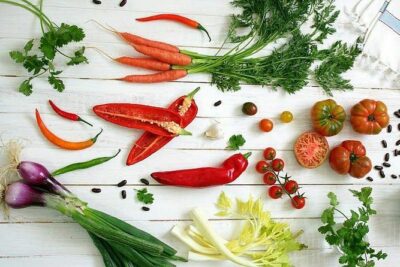 ★ 5.0Cooking Classes and Traditional food tasting in TiranaFrom $49282 reviews
 ★ 5.0Local food experience & walking tour of TiranaFrom $60192 reviews
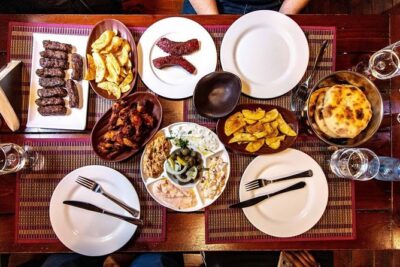 ★ 5.0Best of Local Food & City Tour of Tirana – Food & Drinks IncludedFrom $72160 reviews
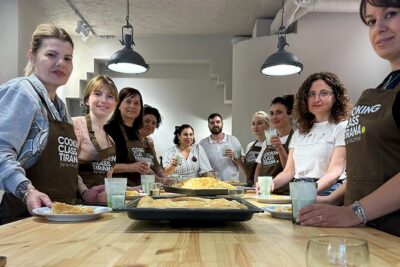 ★ 5.0Traditional Albanian Cooking Class in Tirana with Raki TastingFrom $53125 reviews
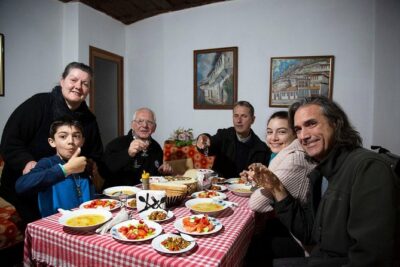 ★ 5.0Berat Cooking Class- Traditional Albanian Cooking Class /By VatoFrom $41120 reviews
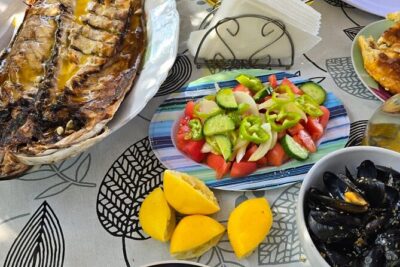 ★ 5.0Ksamil: Mussel Sailing Tour with Food and Drink in AlbaniaFrom $67102 reviews
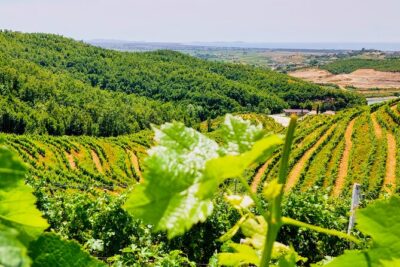 ★ 5.0Vineyards, Albanian Wine Tasting & Boat Tour from Tirana/DurresFrom $9564 reviews
 ★ 5.0Savor Albanian Cuisine Cooking Class with Mama Nina Berat CastleFrom $4855 reviews
Browse the lists this tour appears in