
REVIEW · KRUJA CASTLE & THE OLD BAZAAR
Tirana and Kruja Full Day Tour
Tirana and Kruja in one tight day. This full-day tour packs hotel pickup and entrance fees included, so you get moving fast and spend less mental energy on tickets. I also like the small group size (up to 12), because it feels easier to ask real questions and get straight answers from the guide, whether your guide is Ilir, Iris, Ed, or another team member that shows up often in guest feedback.
The main drawback to plan around is that meals and drinks are not included. Lunch is optional, so if you want the traditional Albanian meal, you’ll want to budget time and money for it, and keep in mind some key stops are timed tightly.
In This Review
- Key Highlights You Should Actually Care About
- Why Tirana and Kruja Fit Together So Well
- Tirana First: Ottoman Details, Skanderbeg Square, and the City Plan
- The Enver Hoxha Pyramid: A Communist-Era Landmark With a Complicated Personality
- Kruja Castle Area: Skanderbeg Museum and the Power of Place
- Ethnographic Museum of Kruja: Traditions You Can Feel in Your Notes
- Pazari i Vjeter in Kruja: Shopping That Still Feels Like a Market
- Lunch, Timing, and How Not to Feel Rushed
- Transportation and Small Group Comfort in an A/C Vehicle
- Price and Value: Why $96.12 Can Actually Make Sense
- Who Should Book This Tour, and Who Might Skip It
- Should You Book This Tirana and Kruja Tour?
- FAQ
- What stops are included on the Tirana and Kruja full day tour?
- Is hotel pickup and drop-off included?
- Are entrance fees included?
- Is lunch included?
- Is the tour in English, and how many people are in a group?
- Is there free cancellation?
Key Highlights You Should Actually Care About
- Tirana plus Kruja in one day, including museums, viewpoints, and the old market.
- Entrance fees are included, which is a big value boost for the museum stops.
- Small group size (max 12), so the day feels manageable and questions are welcomed.
- Hotel pickup and drop-off in Tirana, which saves you from figuring out transport on your own.
- Flexible sightseeing pacing, with shorter time blocks in Tirana and longer museum time in Kruja.
- Optional traditional lunch, so you can choose whether to sit down or snack and keep moving.
More runs up to Kruja castle and the old bazaar
- Kruja castle, the old Bazaar & Sarisalltik- Departure from Tirana★ 5.0 · 592 reviews
- Hiking to Gamti, Bovilla Lake and Kruja Day Trip from Tirana★ 5.0 · 107 reviews
- Private Bovilla Lake and Kruja City Day Tour from Tirana★ 5.0 · 34 reviews
- Kruja, Old Bazaar, Museum,Sari Saltik tour from Tirana★ 4.5 · 33 reviews
- Kruja & Durres; Semi – Private Day Tour from Tirana★ 5.0 · 33 reviews
Why Tirana and Kruja Fit Together So Well
I like this day layout because it shows two sides of Albania without making you choose just one. Tirana gives you the capital city feel, with Ottoman-era touches and the heavy imprint of communist-era Albania. Kruja then shifts gears to national identity, with Skanderbeg at the center of the story, plus traditional culture in the ethnographic museum.
Practically, you also get good “return on time.” You’re not bouncing around between far-flung regions. Instead, you’re doing one concentrated loop: guided city highlights in Tirana, then a focused cultural visit in Kruja, then back to Tirana.
You should also know that the tour is built for efficiency. It runs about 6 to 8 hours, and several stops are about 30 to 40 minutes each. That can be a plus if you like a structured day, and a trade-off if you prefer slow wandering with long museum reading time.
Tirana First: Ottoman Details, Skanderbeg Square, and the City Plan
Tirana starts with the kind of sights you can miss if you’re just using a map and vibes. The clock tower and its surrounding historic fabric are the perfect warm-up, because they come with details that explain why Tirana looks the way it does today.
One stop focuses on the Clock Tower and its story. You’ll hear how it was built by the Ottoman Turks in an Islamic style, with a bell reportedly brought from Venice. The timeline is specific and fascinating: Ismail Tufina is described as the first watchmaker in 1822. Then World War I enters the chat, with the clock damaged in 1916, and the mechanism replaced in 1928 after repair delays. The replacement cost is part of the legend too, involving golden francs and funding from the wealthiest families, plus the Tirana Municipality. It even includes engineering outcomes like adding extra height to fit the larger mechanism.
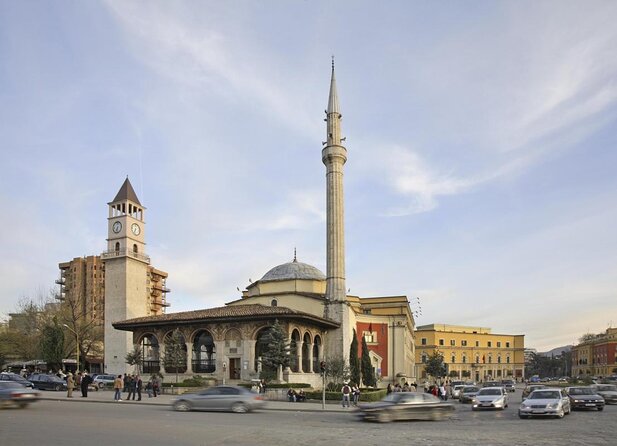
Right near there, you also get a stop tied to an important mosque complex. The description covers construction starting in the late 1700s (1791 or 1794) and finishing in the early 1800s (1819 or 1821). It explains how it sat inside the older historic center, where the old bazaar was nearby, and where other landmarks were part of the same neighborhood story, including the Sulejman Pasha Mosque (built in 1614, destroyed during World War II) and the Karapici mosque.
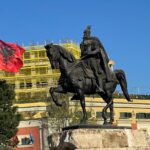
Then comes the big visual anchor: Skanderbeg Square. This plaza is massive, about 40,000 square metres, and named for the national hero Gjergj Kastrioti Skënderbeu. The Skanderbeg Monument dominates the space. What I like here is that the guide context usually ties architecture and power into one picture. The area is tied to a city planning story that started with Armando Brasini in 1925, continued by Florestano Di Fausto in a Neo-Renaissance approach, and then updated after the Italian invasion in 1939 by Gherardo Bosio. You also get the “who’s who” of buildings around the square, including the Tirana International Hotel, Palace of Culture, National Opera, National Library, National Bank, Ethem Bey Mosque, and the National Historical Museum.
Time note: Skanderbeg Square is typically around 30 minutes on this tour. That’s enough to get your bearings and understand why the square matters, but it’s not enough for a deep sit-down at every building entrance. If you want extra time, you can always come back later on your own.
The Enver Hoxha Pyramid: A Communist-Era Landmark With a Complicated Personality
After the main square, you head to the Enver Hoxha Pyramid area. The structure opened on 14 October 1988 as the Enver Hoxha Museum, originally built to present the legacy of Enver Hoxha. The design credits are clear and specific: it was co-designed by Pranvera Hoxha (Hoxha’s daughter) and her husband Klement Kolaneci, alongside Pirro Vaso and Vladimir Bregu.
You’ll also hear how it was described as extremely costly for Albania at the time, and how it later earned a more cynical nickname. The tour framing is usually what makes this stop click. It’s not just the building itself, it’s a chance to understand how Albania used monumental architecture to tell political stories, then how those stories changed after the regime.
Admission here is listed as free, and the time block is about 30 minutes. That works well because you get the main idea without it dragging. If you’re the type who likes reading every sign and comparing photos from different eras, you’ll probably want to spend more time than the tour schedule allows, but you can do that later independently.
Kruja Castle Area: Skanderbeg Museum and the Power of Place
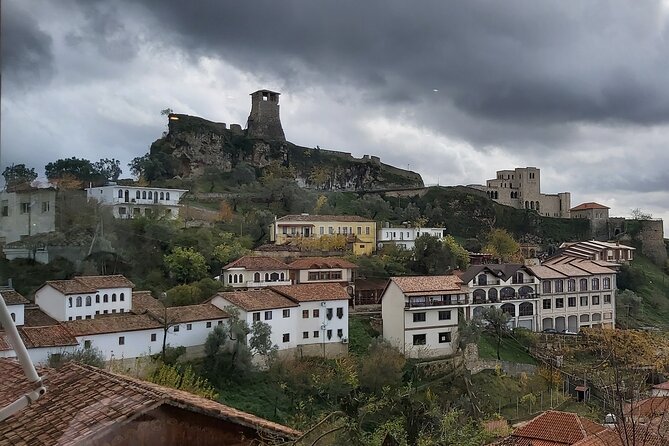
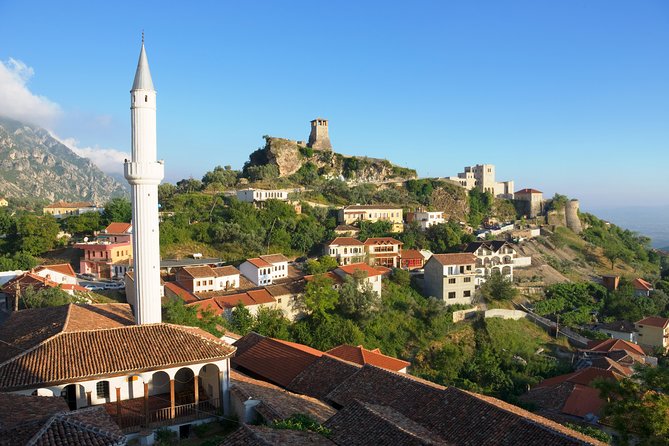
Then the day shifts to Kruja, and the mood changes fast. Kruja is where the national story gets physical. The center of that is the Skanderbeg Museum, also known as the National Museum Gjergj Kastrioti Skënderbeu.
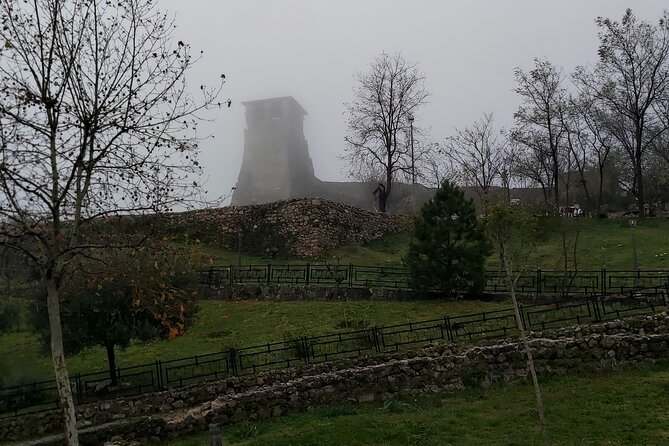
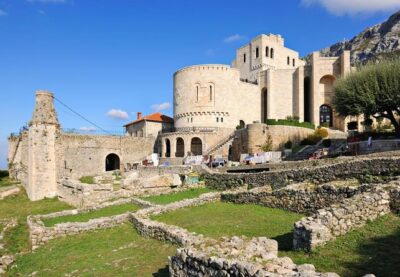
The museum sits in the Krujë Castle complex, which matters because it anchors the hero story to real geography. Ottoman troops attacked the castle repeatedly (1450, 1466, 1467) but failed to take control. That detail helps you understand why the area is more than a museum stop. It’s a place built around defense and persistence, not just exhibits.
The museum itself is also described with real specifics. It was built toward the end of the 1970s and inaugurated on 1 November 1982. Architectural influence is part of the charm: the design is said to be inspired by traditional Albanian stone towers and medieval Romanesque architecture. You’ll also hear about the local construction team managed by Robert Kote.
Time on this stop is about 1 hour, with admission included. That’s a strong amount of time for a guided museum visit, especially if your guide is the type who answers follow-up questions. If your guide is Ilir or another name that shows up often in guest feedback, expect the explanations to connect what you see to what it meant historically and culturally.
One practical consideration: Kruja is the kind of place where walking and stair-like areas are common. Wear comfortable shoes even if you think you’re just doing the museum and a quick look around.
Other full Albanian days, first light to last
Ethnographic Museum of Kruja: Traditions You Can Feel in Your Notes
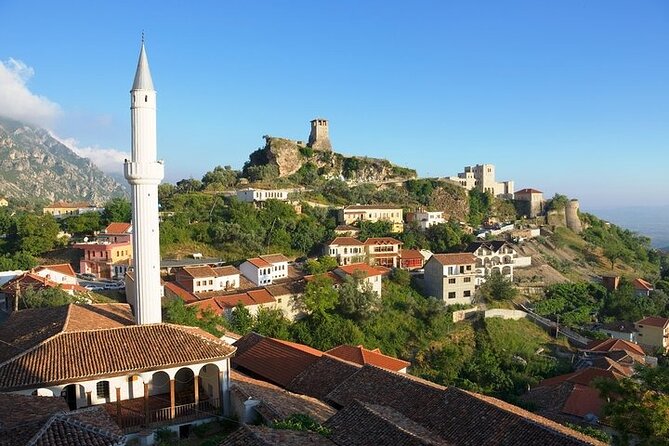
The Ethnographic Museum of Kruja is one of the stops I’d treat as a “reset button” after the big national hero narrative. Instead of focusing on battles and monuments, this one explains customs and traditions across centuries.
It’s also described as warm and cosy as soon as you step in. That matters because it changes how you experience the day. You stop feeling like you’re moving between history headlines and start getting a more human picture of everyday life and cultural habits.
You typically get about 40 minutes here, and admission is included. That timing is good because you’re not stuck in a long, dense circuit. It’s long enough to leave with a few mental images you can carry later, like the kinds of traditions people preserved and how they organized community life.
A small tip: if you’re curious about modern Albanian culture, this is where I’d ask your guide about comparisons, because the museum is built for understanding continuity.
Pazari i Vjeter in Kruja: Shopping That Still Feels Like a Market
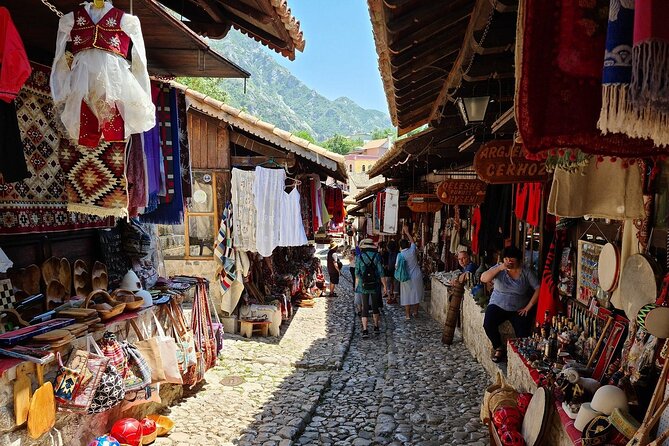
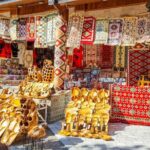
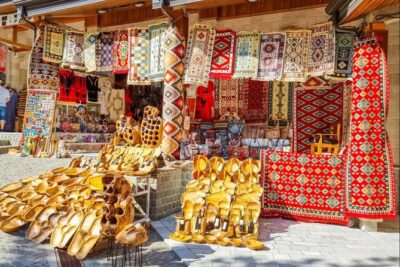
Next up is Pazari i Vjeter, the old bazaar. This stop is different from many “souvenir stops” because it’s described as over 400 years old and tied to free trade among established merchants. It’s also located conveniently on the main road leading to the Castle of Kruja, which means you can walk into it naturally as part of the Kruja loop.
The bazaar is described as both a museum space and a working commercial area. Translation: you might see crafts, textiles, and small goods, but it’s still a functioning market. That’s the kind of setup that makes shopping feel less staged.
Time here is around 40 minutes, and admission is free. That’s enough to browse slowly, find a couple good items, and still have time for the rest of the day. If you like bargaining, this is where you can test your skills, but keep it friendly. If you hate bargaining, still go. Even without buying, the market layout helps you understand how people traded, gathered, and built a community around the castle road.
If you want a lunch break after shopping, you can do it, but remember lunch and drinks are not included in the tour package.
Lunch, Timing, and How Not to Feel Rushed
This day is efficient. That’s why it’s good value, but it also means you need to think ahead.
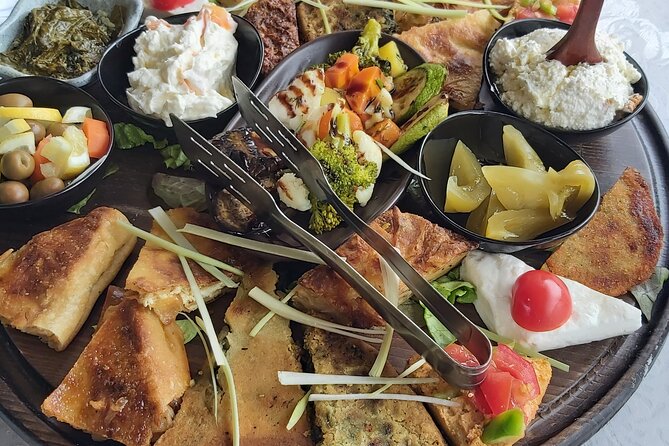
Meals and drinks are not included, and the tour mentions an optional traditional Albanian lunch at a local restaurant. If you want that, I suggest treating lunch as your main planned expense, because it can become the biggest variable in how the day feels. If you skip lunch, you may still find snacks or drinks available nearby, but you’ll be relying on what’s convenient rather than what the tour provides.
The stop durations in Tirana are shorter, about 30 minutes for both Skanderbeg Square and the Enver Hoxha Pyramid. In Kruja, you get more time: about 1 hour for the Skanderbeg Museum, about 40 minutes for the Ethnographic Museum, and about 40 minutes for Pazari i Vjeter. That mix is intentional. You get the “big picture” in Tirana, then the “deep enough to matter” experience in Kruja.
Group size also helps with timing. With a maximum of 12 travelers, it tends to be easier for the guide to keep everyone together. That reduces the classic problem of “waiting at each corner while someone’s still reading one sign.”
One more practical note: bring cash for small purchases and tips if you plan to do either. Tips and gratuities are not included, and personal expenses fall outside the price.
Transportation and Small Group Comfort in an A/C Vehicle
You get transport with an A/C vehicle, plus driver and guide, and the big practical win is hotel pickup and drop-off. That matters in Tirana because you avoid the risk of starting your day with confusing logistics. You can sleep in, then meet the group and go.
The tour also lists mobile ticketing. That’s useful if you prefer not to print anything or if you want your day plans in one place.
Because it’s capped at 12, the vehicle experience tends to feel more like a small van group than a large bus day. That usually makes it easier to hear your guide’s narration during transfers, especially when the drive time gives you a little context for what you’ll see next.
Also check the time of year you’re going. If weather is rough, your outdoor time at the castle area and bazaar can feel shorter than you’d like. The good news is that many of the key stops are museum or plaza style, so you still get value even if you need to move a bit faster.
Price and Value: Why $96.12 Can Actually Make Sense
At $96.12 per person, this tour is priced like a true value day, not just a sightseeing bus ride. The biggest reason is that it includes transport, hotel pickup and drop-off, and entrance fees for the sights you’re going into.
In many city tours, entrance tickets get tacked on later, and you only learn the total at the end. Here, the structure includes what you need for the museum stops. That matters because the Kruja museums are the core of the day, and those are the parts you usually want to see without hassle.
If you’re the kind of traveler who hates arguing about what’s included, this tour format is a relief. You’ll still have personal expenses, and meals and drinks remain on you, but the core sights cost fewer surprises.
Booking context: it’s also noted that this is often booked about 55 days in advance on average. If your dates are fixed, booking early helps you lock in the small-group setup.
Who Should Book This Tour, and Who Might Skip It
This tour is a good fit if you want a guided day that balances big landmarks with real Albanian cultural sites. It’s especially good for people who want to see Tirana’s central history and then connect it to Skanderbeg and tradition in Kruja.
You’ll likely enjoy it if:
- you like museum stops but don’t want to spend your whole day reading labels
- you prefer hotel pickup and a clear plan
- you want a manageable group size and direct Q and A time
- you care about getting context for Ottoman, communist, and national-history layers
You might skip it if:
- you hate time limits and would rather roam
- you want a long, slow meal break and don’t like planning around a schedule
- you’re only interested in one city and would rather go deeper in it
Should You Book This Tirana and Kruja Tour?
I’d book it if you want a solid day with minimal logistics and maximum cultural payoff. The mix of included transport and entrance fees is the main selling point, and the pacing gives you enough time to feel like you saw Kruja, not just passed through it.
If you do book, go in expecting a structured day: short stops in Tirana, longer time in Kruja, and lunch as an optional extra. Wear comfortable shoes, bring a bit of cash, and plan one or two questions for your guide. If your guide is Ilir, Iris, Ed, or another well-regarded member of the team, you’ll likely come away with clearer context for why these sites matter.
FAQ
What stops are included on the Tirana and Kruja full day tour?
You’ll visit sights in Tirana including the Clock Tower area, Skanderbeg Square, and the Enver Hoxha Pyramid. In Kruja, the tour includes the Skanderbeg Museum, the Ethnographic Museum of Kruja, and time at Pazari i Vjeter (the old bazaar).
Is hotel pickup and drop-off included?
Yes. The tour includes hotel pickup and drop-off in Tirana.
Are entrance fees included?
Yes. Entrance fees are included for the sights on the itinerary. The Skanderbeg Museum and the Ethnographic Museum of Kruja are listed as admission ticket included.
Is lunch included?
No. Meals and drinks are not included. A traditional Albanian lunch at a local restaurant is listed as optional.
Is the tour in English, and how many people are in a group?
The tour is offered in English. It has a maximum of 12 travelers.
Is there free cancellation?
Yes. You can cancel for a full refund with free cancellation up to 24 hours in advance of the experience start time.
More Albanian Tours, Rated
Kruja Castle and the Bazaar
Every Albania Review We Have

Latest Albania reviews off the desk
- UNESCO heritage in Albania – 4 days
★ 5.0 · 3 reviews - Transfers Tirana Airport – Sarande – Ksamil – Airport Tirana
★ 4.5 · 3 reviews - Private Transfers from Tirana International Airport to Sarandë
★ 4.5 · 3 reviews - Tirana’s Communist Past: A Tasting Tour with Traditional Lunch
★ 5.0 · 3 reviews - Tirana ⇔ Ohrid, North Macedonia
★ 5.0 · 3 reviews - Tirana and Kruja in a Day Trip
★ 5.0 · 3 reviews
Kruja Castle & the Old Bazaar, compared.
 ★ 5.0Kruja castle, the old Bazaar & Sarisalltik- Departure from TiranaFrom $24592 reviews
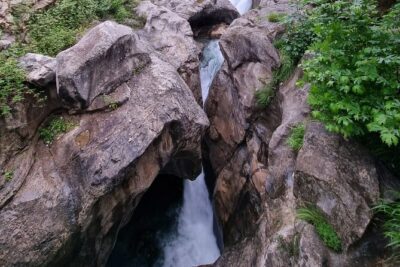 ★ 5.0Hiking to Gamti, Bovilla Lake and Kruja Day Trip from TiranaFrom $43107 reviews
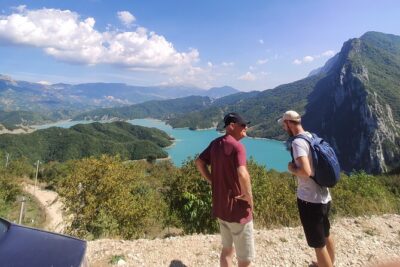 ★ 5.0Private Bovilla Lake and Kruja City Day Tour from TiranaFrom $10534 reviews
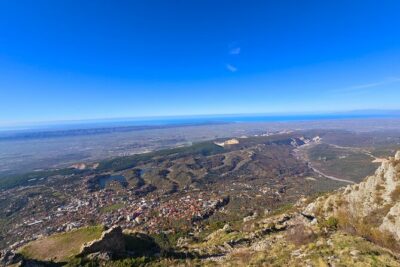 ★ 4.5Kruja, Old Bazaar, Museum,Sari Saltik tour from TiranaFrom $2433 reviews
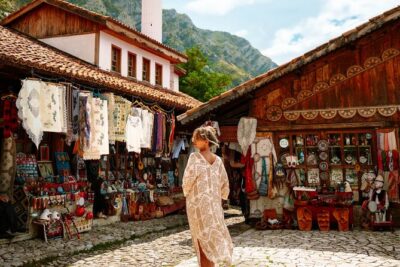 ★ 5.0Kruja & Durres; Semi – Private Day Tour from TiranaFrom $14933 reviews
 ★ 4.5Kruja Castle ,Sari Salltik & Durrës fromTiranaFrom $8430 reviews
 ★ 5.0Guided Tour to Kruja, Holy Mountain & Old Bazaar from DurresFrom $7029 reviews
 ★ 5.0Kruja & Durres | History and Local FoodFrom $18617 reviews
Browse the lists this tour appears in