
REVIEW · DURRES & THE ADRIATIC COAST
Private Walking Tour Visit to Durrës with Licensed Guide
Durrës history is walking distance from the sea. This private English tour strings together layers you can still see in the streets, from the Venetian Tower of Durrës to Ottoman, Byzantine, and Communist-era remains.
I like two things a lot. First, I really enjoy the way the licensed guide uses specific landmarks and construction clues, not just dates, to explain how the city changed over time. Second, I appreciate the practical pace, with frequent short stops that let you cover a lot in 2 to 3 hours without feeling rushed into one long lecture.
One thing to factor in: at the Venetian Tower multimedia projection and elevated balcony, you’ll likely want to pay an additional fee since that part is not included, even though the interior access is.
In This Review
- Key Highlights You Should Not Miss
- How This 2-3 Hour Private Walk Gets You Oriented Fast
- Price, Tickets, and What You Actually Pay For
- Start at the Venetian Tower of Durrës, Then Use It as Your Map
- Venetian Tower, construction and power shifts
- Multimedia projection and the extra fee
- From the Paul and Asti Church to a 17th-Century Hammam
- Church of Apostle Paul and Saint Asti
- Ottoman Medieval Bath, Hammam
- Bulevardi Epidamn: The 1928 Urban Plan in Real Time
- Museums and Consulate History at the Aleksandër Moisiu House
- Fatih Mosque, Two Catholic Stops, and the Religious Layer Cake
- Fatih Mosque (built 1501)
- Church of Saint Lucy, and what communism erased
- Freedom Square and the City Hall Balcony for Public Speeches
- Municipality of Durrës (City Hall) built in 1931
- Xhamia e Madhe and the Ottoman-to-Communist-to-Modern Story
- Aleksandër Moisiu Theatre and the By-Design Downtown Feeling
- Amphitheatre Time: Excavation in 1966 and a Restoration Project
- Rotonda, Forumi Bizantin: Byzantine Forum and Open-Air Artifacts
- Logistics I’d Plan Around (So the Walk Stays Fun)
- Should You Book This Durrës Private Walking Tour?
- FAQ
- What is the duration of the private walking tour?
- How much does the tour cost?
- Is this tour private or shared with other groups?
- What language is the tour offered in?
- Are the tickets included for the stops?
- Is free cancellation available?
Key Highlights You Should Not Miss
- Venetian Tower, twice in one tour, for both the big-picture timeline and the nitty-gritty of building technique and renovations
- Free entry for most stops, so your money goes mostly toward guide time and interpretation
- Ottoman hammam details, including what the steam and heating setup was meant to do
- Stops built around urban planning, especially Bulevardi Epidamn and Freedom Square from the 1928 plan
- Byzantine layers in plain sight, with the Rotonda, Forumi Bizantin, plus the Amphitheatre and Roman-era excavation history
- A culture-heavy finish, tying Durrës theatre and consulate history to what you saw earlier in town
Durres and the Adriatic shoreline, tour by tour
- Berat-Durres and Belsh Lake, day tour from Tirana★ 4.5 · 274 reviews
- Gjirokastra UNESCO & Ksamil Beach – From Tirana/Durres/Golem★ 5.0 · 117 reviews
- From Tirana/Durres/Golem: Prizren and Prishtina Full-Day Tour★ 5.0 · 67 reviews
- Durres: Off Road ATV Kallmi Tour★ 4.5 · 51 reviews
- Gjirokastra & Bylis Illyrian City Day tour Tirana/Durres/Golem★ 5.0 · 36 reviews
How This 2-3 Hour Private Walk Gets You Oriented Fast
This is a tight, focused walking route in the city of Durrës, starting at the Venetian Tower of Durrës and ending at Sheshi Liria (Freedom Square). At about 2 to 3 hours, it’s designed to help you read the city the way a guide does, so you stop seeing random old buildings and start noticing patterns.
You’ll start with broad context, then move through major religious sites, an Ottoman bath, key squares and civic architecture, and then down into archaeology and cultural landmarks. Each stop is short, around 10 minutes, with one longer start at the tower. That means you’ll get a lot of highlights, but you also won’t have long solo time inside smaller spaces.
For value, I like that most stops are marked as admission free. You’re not paying to “buy into” every location, and you’re paying for the guide to connect the dots. If you’re the type who likes history but gets impatient with slow museum-style pacing, this format tends to work well.
Price, Tickets, and What You Actually Pay For
The tour is $24.10 per person for about 2 to 3 hours. That sounds like a small number, but in a private format it matters how many sights are included and how much of your cost is truly interpretation time.
Here’s the practical math: most stops are free to enter, and the tour uses a mobile ticket. The one major potential extra is at the Venetian Tower multimedia part and the elevated balcony. The tour includes entrance to view the interior, but the projection experience and the balcony access come with an additional fee not included.
If you’re traveling on a budget, you can still get a lot without paying that extra tower option. If you want the multimedia presentation, plan for that cost ahead so it doesn’t feel like a surprise at the end of your tower time.
Start at the Venetian Tower of Durrës, Then Use It as Your Map
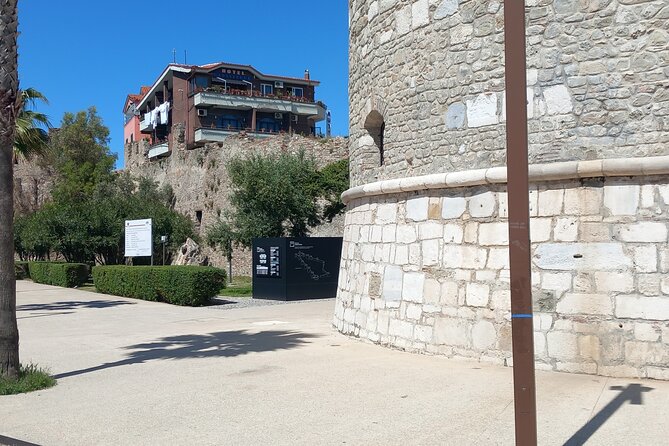
The tour begins at the Venetian Tower of Durrës (meeting point listed as 8C5W+VQC, Durrës). Expect your guide to use old maps, photographs, and the location itself to get you oriented in the city. This is smart because Durrës history is layered, and the tower is a strong anchor for understanding how different powers shaped the same coastline.
You’ll also hear the bigger story tied to the area, including references to fortifications from different eras, and the 2nd-century amphitheatre link in the wider urban setting. Then, you get a second focused moment at the same tower, which is useful. The tour is not just repeating itself, it’s changing the angle.
Venetian Tower, construction and power shifts
On the second tower stop, you’ll learn about how the tower was built and why it resembles other Adriatic towers. The guide also connects it to Ottoman rule, its demilitarization during the early stages of World War II, and how it was used through the communist period up to the last 30 years.
What I like here is the “why it matters” framing. You’re not just being told that a tower is old. You’re being shown how its function changed, including how it became a multimedia center after renovation works financed by the European Commission.
Private departures we have reviewed elsewhere in Albania
Multimedia projection and the extra fee
If you want to use the tower’s multimedia projection and the elevated balcony, you’ll need to pay an additional fee. Entrance to view the interior is included, so you still get a lot even if you skip the extra option.
From the Paul and Asti Church to a 17th-Century Hammam
After the tower, the walk turns into a guided tour of religious and everyday-life remnants that sit right in modern street life.
Church of Apostle Paul and Saint Asti
This stop is short but meaningful. You’ll hear about the saints connected to Durrës, and you’ll also learn about the former Church of Saint Spiridon, demolished during the communist regime. That kind of detail helps you understand why some areas feel layered but incomplete. Even when you only see one church building now, you’re learning that the city used to have different sacred landmarks.
Ottoman Medieval Bath, Hammam
Next comes the Ottoman hamam, built in the 17th century. The tour focuses on how the bath may have been privately owned or part of government buildings along the seaside promenade. You’ll also get the connection to nearby structures, including the White Mosque located about 5 meters west of the hamam, near where today’s Bulevardi Epidamn runs.
One practical thing I find useful in this stop is the “steam and heating technique” explanation. Even without a technical background, you’ll be able to picture how bath spaces worked, what the building traces might suggest about the old road to the Durres Castle, and why the hamam belongs to the city’s broader infrastructure, not just leisure.
Bulevardi Epidamn: The 1928 Urban Plan in Real Time
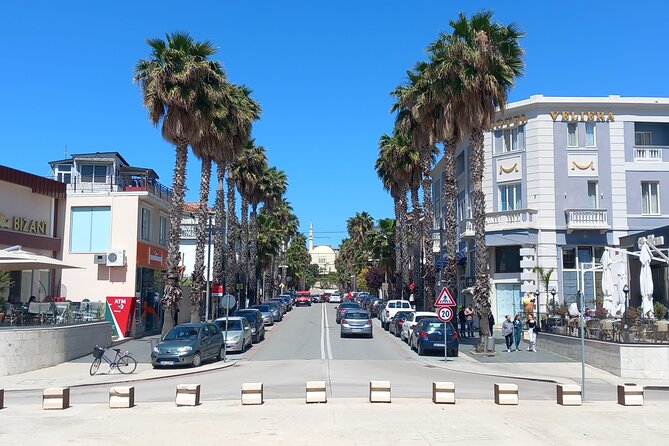
Bulevardi Epidamn is one of those streets where it helps to know what you’re looking at. During this part of the tour, you’ll walk about 10 minutes along the avenue while your guide explains the history and architecture that shaped the early residential buildings along this stretch.
The key detail here is the 1928 Urban Regulatory Plan. When you know that the street you’re walking today relates to a specific planning moment, it changes the way the city feels. It stops being just “a road” and becomes a mapped decision.
You’ll also pause at 2 or 3 local refreshment spots. Depending on the day and what’s available, you might stop for coffee, water, burek, ice cream, or orange juice. This is a nice break that keeps the tour comfortable, especially since you’ll be doing lots of short outdoor segments.
Museums and Consulate History at the Aleksandër Moisiu House
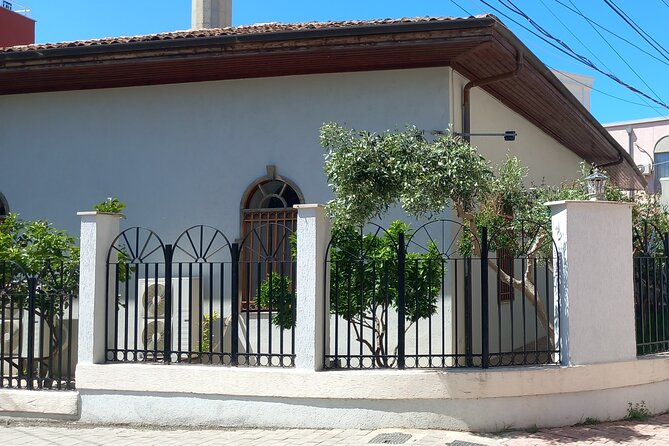
Next is the Aleksandër Moisiu Museum area, where you’ll connect traditional Albanian architecture with Durres’s local style. The house you’ll see once served as the consulate of England in Durres, at a time when Durres became the capital after national independence.
Today, the building’s situation is shaped by more modern history. You’ll learn that it was damaged by the 2019 earthquake and that repairs are needed, including damage to a Byzantine tower adjacent to the house. This is one of those stops where a guide’s explanation helps you understand why you might see signs of restoration or waiting.
Then the stop shifts to cultural identity. The residence is tied to Aleksander Moisiu, one of Durres’s distinguished international theatre artists. If you like theatre and performance history, this stop adds heart to everything you’ve been seeing in stone and brick.
Fatih Mosque, Two Catholic Stops, and the Religious Layer Cake
This is a big section of the walk, and it can be the most interesting part if you like how different religions coexisted and then changed under political pressure.
Fatih Mosque (built 1501)
Fatih Mosque is built in 1501 and is described as one of the three oldest mosques in the Republic of Albania. You’ll also hear how it sits at the base of a Byzantine wall between two outer towers. The guide explains that this location sheltered its minaret from seaside views and potential sea attacks.
You’ll also learn a building-material connection. The mosque construction used the same materials as the Byzantine walls, with supportive sections of the wall opening up a broad ground-floor base. That detail makes the site feel like a puzzle you can actually read with your eyes.
Church of Saint Lucy, and what communism erased
Then you’ll reach Kisha Katolike Shën Dominiku, also associated with Saint Lucy. The tour explains its construction history and key figures tied to city governance, and you’ll look at the current condition compared with the past.
This stop also includes a direct reminder of the communist era. During that period, all religious activities were legally banned. Standing in front of a church and hearing that context is powerful because it explains why religious architecture can feel both present and interrupted.
Freedom Square and the City Hall Balcony for Public Speeches
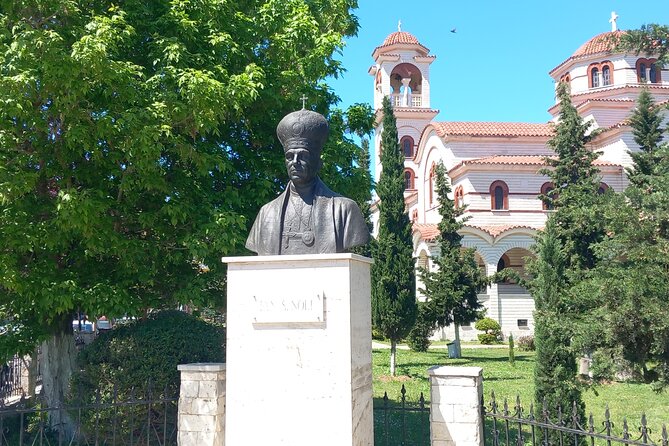
The walk moves into the civic core around Freedom Square, Sheshi Liria. This square has an earlier planning origin than you might guess. The tour says it was designed as a floral garden in the 1928 First Urban Regulatory Plan and it hosts the Municipality and the Grand Mosque.
If you like urban history, this is where you’ll start seeing the city as a planned system. You’ll also learn how the square’s development connects the Ottoman era, pre-World War II times, and the present day, and how it shaped the city’s broader neighborhood directions, including the Varosh area.
Municipality of Durrës (City Hall) built in 1931
Right at the square, Durres City Hall was built in 1931 and reflects Italian aesthetic preferences. The guide points out the large central balcony, originally used for public speeches. That detail makes the building feel like it belonged to public life, not just bureaucracy.
There’s also a specific quake story: after the 1926 earthquake destroyed the clock tower, a new public clock was installed atop the new City Hall building. It’s a good example of how disasters and reconstruction shape what you see today.
Xhamia e Madhe and the Ottoman-to-Communist-to-Modern Story
At Xhamia E Madhe E Durresit, you’ll hear a timeline driven by economics and politics. The mosque was built through investments by local merchants during Italy’s pre-World War II economic dominance. Then in 1939 it was closed and altered under the communist regime.
After the 1990s, restoration helped it regain its spiritual significance for residents. The tour frames it as a symbol of resistance and integration in Islam, and it’s described as frequently used today.
This is one of the stops that helps you understand why religious sites in Durrës aren’t just religious. They are also identity markers that survived government pressure, and that makes the architecture feel more personal.
Aleksandër Moisiu Theatre and the By-Design Downtown Feeling
You’ll also pass the Aleksandër Moisiu Theatre, introduced as the Palace of Culture in Durres. The tour notes that this is the starting point of the Downtown thematic tour named after Aleksander Moisiu.
The building dates to 1960 and is presented as the first structure of its kind in the Republic of Albania. The guide explains the characteristics of Albanian architecture from the 1960s and how it influenced beyond the city.
Even if theatre isn’t your top interest, I find this stop useful because it shows how the city also builds culture deliberately in the modern era, not only how powers left traces from centuries ago.
Amphitheatre Time: Excavation in 1966 and a Restoration Project
Durres Amphitheatre is where the walking tour shifts into archaeology. You’ll walk past it as your guide explains its history and its relationship to the city above it, meaning the amphitheatre is not just a standalone ruin, it’s part of a layered urban space.
You’ll hear about the excavation in 1966 by archaeologist Vangjel Toci. Then the guide shares what the excavation revealed and how that changed understanding of the site.
The tour also references a Government Project aimed at restoring the entire Amphitheatre. I like that this isn’t just “look at the ruins.” It’s “see what’s being preserved and why,” which helps you understand ongoing work and the reasons some areas might look unfinished or protected.
Rotonda, Forumi Bizantin: Byzantine Forum and Open-Air Artifacts
Near the end, you’ll reach Rotonda, Forumi Bizantin. This Byzantine forum was discovered by archaeologist Vangjel Toci and described as a precious urban relic among Durres archaeological discoveries.
What makes this stop valuable is the way it bridges eras. The tour explains it as a link that helps interpret the city’s development transition from Late Antiquity to the Middle Ages. Then you’ll look at artifacts showcased within the open forum, giving you a tangible sense of what life might have looked like in Byzantine Durrës.
If you like photo stops, this is a good section for it, because the setting helps you “see” the layers rather than only reading plaques.
Logistics I’d Plan Around (So the Walk Stays Fun)
This tour is English, and it’s private. Only your group participates, so you won’t get stuck listening to a big crowd’s noise level.
It also uses a mobile ticket and the meeting point is in the city center area where you can reach other parts of town easily by public transport. The tour notes that service animals are allowed and most travelers can participate. So it’s not a hardcore climb or a technical tour.
My only caution is the sheer number of stops. You’ll cover 14 locations in about 2 to 3 hours. That’s the point, but it also means you should wear comfortable walking shoes and keep expectations realistic about how much time you’ll spend at each one.
Should You Book This Durrës Private Walking Tour?
Book it if you want a guided, city-based history lesson that connects specific buildings to the larger timeline. The $24.10 per person price works best when you value interpretation, and the fact that many stops are free keeps the total cost under control.
Skip it or consider a shorter option if you prefer slow museum time or you want long independent stays at one location. The tower’s multimedia projection might cost extra, and most stops are quick hits, around 10 minutes each.
If you enjoy walking, and you like learning how religion, politics, and urban planning shape what you see on streets today, this tour is a strong choice for Durrës.
FAQ
What is the duration of the private walking tour?
The tour lasts about 2 to 3 hours.
How much does the tour cost?
It costs $24.10 per person.
Is this tour private or shared with other groups?
It is a private tour, meaning only your group participates.
What language is the tour offered in?
The tour is offered in English.
Are the tickets included for the stops?
Many stops are listed as admission ticket free, and the tour includes admission to view the Venetian Tower interior. The Venetian Tower multimedia projection and the elevated balcony require an additional fee not included in the tour.
Is free cancellation available?
Yes, you can cancel for a full refund up to 24 hours in advance.
More Albanian Tours, Rated
Durres and the Adriatic
Every Albania Review We Have
Latest Albania reviews off the desk
- UNESCO heritage in Albania – 4 days
★ 5.0 · 3 reviews - Transfers Tirana Airport – Sarande – Ksamil – Airport Tirana
★ 4.5 · 3 reviews - Private Transfers from Tirana International Airport to Sarandë
★ 4.5 · 3 reviews - Tirana’s Communist Past: A Tasting Tour with Traditional Lunch
★ 5.0 · 3 reviews - Tirana ⇔ Ohrid, North Macedonia
★ 5.0 · 3 reviews - Tirana and Kruja in a Day Trip
★ 5.0 · 3 reviews
Durres & the Adriatic Coast, compared.
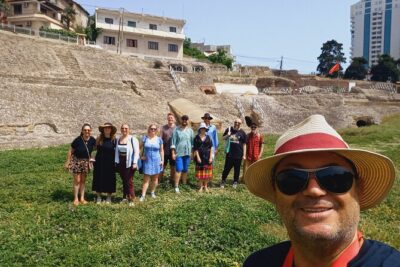 ★ 4.5Berat-Durres and Belsh Lake, day tour from TiranaFrom $22274 reviews
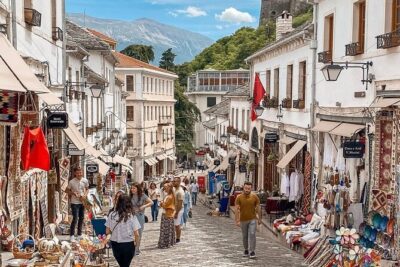 ★ 5.0Gjirokastra UNESCO & Ksamil Beach – From Tirana/Durres/GolemFrom $58117 reviews
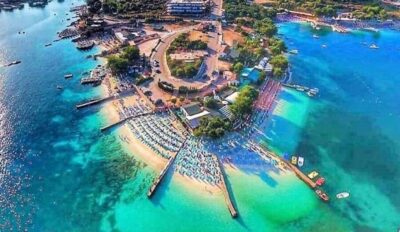 ★ 4.2From Durrës/Golem: Saranda, Ksamil, and Blue Eye Day Trip113 reviews
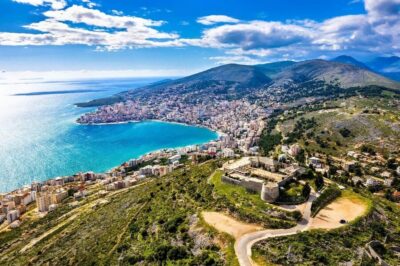 ★ 4.5From Durrës or Golem: Ksamil, Saranda and Blue Eye TourFrom $52111 reviews
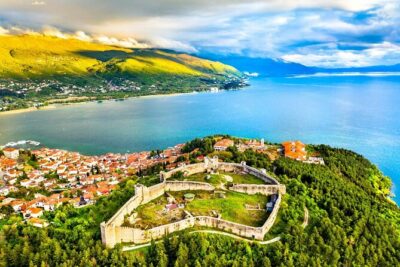 ★ 4.0Ohrid – North Macedonia Full Day Tour from Tirana & Durres/GolemFrom $6484 reviews
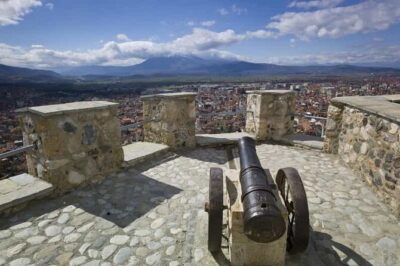 ★ 5.0From Tirana/Durres/Golem: Prizren and Prishtina Full-Day TourFrom $6767 reviews
 ★ 4.5Durres: Off Road ATV Kallmi TourFrom $8451 reviews
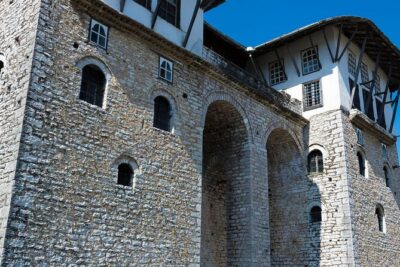 ★ 5.0Gjirokastra & Bylis Illyrian City Day tour Tirana/Durres/GolemFrom $6536 reviews
Browse the lists this tour appears in