
REVIEW · BERAT DAY TRIPS
Best of Berat and Durres Full Day Tour
Roman ruins meet hilltop churches in one day. This full-day trip strings together Durres by the Adriatic and Berat up in the hills, with real heritage stops instead of quick photo stops. You get a guided flow from ancient city planning to Ottoman-era religious sites, plus a little sea time to reset your brain.
Two things I really like: the mix of time periods is genuinely fun, from Dyrrachium and the Roman Amphitheatre to Berat’s Ottoman quarters. And you get a licensed guide who can turn walking through stone sites into a story, with Ilir showing up in past experiences as a standout for history talk and easy conversation.
One consideration: it is a long day, and meals are not included. If you are the type who needs regular breaks, plan your bathroom and snack strategy, because one past experience flagged limited bathroom stops.
In This Review
- Key highlights from this Durres and Berat day trip
- A One-Day Mix of Roman Coast and Ottoman Hilltowns
- Start at 9:00, Pickup Anywhere in Tirana, and Keep Your Day Realistic
- Durres First: From Ancient Dyrrachium to Roman Baths and Urban Planning
- The Roman Amphitheatre of Durrës: Big Scale, Earthquake Scars, UNESCO Potential
- Venetian Tower and Byzantine Forum: Defensive Design Meets Civic Life
- Durres Beach Promenade Break: Keep It Light, Use It Wisely
- Berat Castle and Kala Quarter: Where Stone Streets Feel Like a Living Set
- Onufri Museum: Icon Art That Makes Byzantine and Ottoman Faith Feel Close
- King Mosque, Halveti Tekke, and Religious Sites Still in Use
- Mangalem Quarter and Gorica Bridge: The Berat Look You Came For
- Price and Value: What $142.02 Buys for a Full-Day Route
- Who Should Book This Durres and Berat Day Trip
- Should You Book the Best of Berat and Durres Full Day Tour?
- FAQ
- How long is the Best of Berat and Durres Full Day Tour?
- Where do pickups happen?
- Is the tour offered in English?
- Is bottled water included?
- Are meals included?
- Which admissions are included?
- How big is the group?
- What happens if weather is bad or I need to cancel?
Key highlights from this Durres and Berat day trip
- Durres archaeological storytelling, from Dyrrachium roots to Via Egnatia’s big route through the Balkans
- Roman Amphitheatre of Durrës (Trajan-era), with earthquake history and massive scale
- Venetian Tower renovation (2023) now acting as an interpretation center with digital tools
- Onufri Museum and its icon collection, focused on religious paintings and liturgical objects
- Berat’s old quarters, especially Mangalem’s “City of 1000 Windows” look and the Gorica Bridge arches
- A manageable group size (max 12), which usually helps the day stay coordinated
Berat runs on a dozen different itineraries. Here are the rest of them.
- Berat city UNESCO tour, the Castle & Belshi lake- From Tirana★ 5.0 · 804 reviews
- Berat-Durres and Belsh Lake, day tour from Tirana★ 4.5 · 274 reviews
- Berat Tour Osumi Canyons Exploration Lunch Transfer★ 4.5 · 212 reviews
- Osumi Canyons and Bogova Waterfall from Berat – Tour by 1001 Albanian Adventures★ 5.0 · 177 reviews
- Berat Osum Canyon & Bogove Waterfall Tour★ 5.0 · 130 reviews
A One-Day Mix of Roman Coast and Ottoman Hilltowns
If you like the feeling of moving through time, this is a smart day plan. You start near the sea in Durres, where ancient Greek and Roman threads connect to Byzantine power and later defenses. Then you head inland to Berat, where castle life, whitewashed neighborhoods, icon art, and Ottoman-era worship still shape the city.
What makes it work for a first visit is the pacing. Durres gives you big “wow” sites like the Amphitheatre, plus forum ruins and defensive structures. Berat then slows things down with streets and churches, so you get both spectacle and atmosphere.
The day runs about 8 to 9 hours, and it is built around a guided route with frequent cultural stops. That means you will spend less time figuring out logistics, and more time actually looking.
Start at 9:00, Pickup Anywhere in Tirana, and Keep Your Day Realistic
The tour starts at 9:00 am, and the operator offers pickup anywhere inside Tirana if you coordinate the pickup point after booking. If you are staying just outside Tirana, there may be an extra cost, paid directly to the guide by cash, PayPal, or bank transfer, depending on the arrangement.
Most of the day happens by air-conditioned vehicle, which matters in Albania when temperatures rise or when you are stuck in stop-and-go traffic. The tour also has a small cap, with up to 12 travelers, so you are not battling a huge group mob at every entrance.
Here is the reality check: this is a full-day itinerary, so bring comfortable shoes and expect a steady walking rhythm. Also, meals and drinks are not included, so your “energy plan” should include snacks you buy yourself.
Durres First: From Ancient Dyrrachium to Roman Baths and Urban Planning
Durres is where the story starts, and it starts big. The city you see today is tied to ancient Dyrrachium, founded by Ancient Greek colonists around the 7th century BC, later woven into the Roman Empire and the Byzantine world. One of the coolest context points is how geography shaped routes, including Via Egnatia, a major road network that began here and ran across the peninsula toward Constantinople.
On the ground, your time in Durres focuses on the Old Town and major relic areas. You will move through ruins tied to Byzantine urban life, including the Byzantine forum and walls, plus Roman baths and the surrounding city center. This is not just “look at a wall,” it is a walk through how cities used to function, where civic life and public buildings sat close together.
There is also time built in for the archaeological museum, with antique discoveries and special attention to urban planning. If you like the nuts and bolts of how cities were laid out, this is one of the most valuable parts of the Durres segment.
The Roman Amphitheatre of Durrës: Big Scale, Earthquake Scars, UNESCO Potential
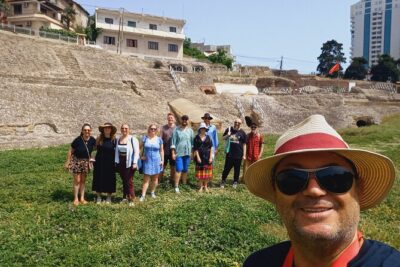
Right in the center of Durres, you visit the Roman Amphitheatre of Durrës. Construction started under Emperor Trajan in the 2nd century AD, and the site suffered destruction twice from earthquakes in the 6th and 10th centuries. That adds weight to the ruins, because you are not just seeing “old stones,” you are seeing a site that repeatedly took hits and still mattered enough to be used.
The scale is the star. It is described as the largest Roman amphitheater ever built in the Balkans, once estimated to hold around 20,000 people. It was discovered in late 1966, and the amphitheatre remains one of the most visited sites in Albania.
From a practical angle, it is typically an easy stop to enjoy even if you are tired, because you can take in the whole structure quickly. You will appreciate it most if you pause and imagine it packed. Even if you are not an architecture nerd, the sheer size does the work.
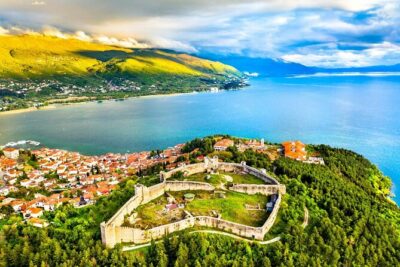
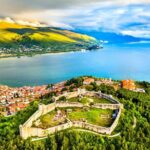
Durres and the Adriatic shoreline, tour by tour

Venetian Tower and Byzantine Forum: Defensive Design Meets Civic Life
Durres includes two high-impact heritage stops that show different sides of power.
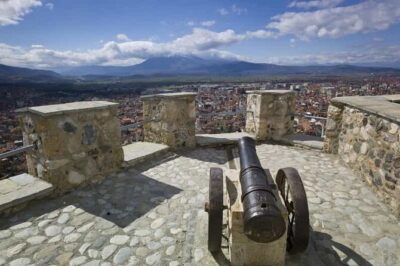
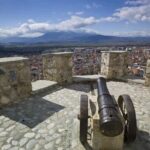
First is the Venetian Tower, a defensive structure connected to the Byzantine fortress. The roots trace back to Byzantine Emperor Anastasius I (491 to 518), and later work built the current tower on remains around the 15th century. It was fortified with cannons and used as an observation point for monitoring the Adriatic coastline.
The tower also has a modern twist. After renovation in 2023, it became the first Albanian Heritage Interpretation Center there, with digital and multimedia tools. If you enjoy history but struggle with long museum lectures, this kind of interactive interpretation can help you connect the old walls to the bigger story faster.
Then you move to the Byzantine Forum in the heart of Durres. Dating to the reign of Roman Emperor Anastasios at the end of the 6th century, the forum was a key civic hub among other big Byzantine religious structures. It is noted as being similar to Constantine’s Curved Forum in Constantinople, though that one was destroyed in 1204.
What I like about this stop is the atmosphere. Even though it sits near the modern city, the shape and layout give a strong sense of antiquity. The circular paved area is also tied to formal events, and you are told the rotunda may have housed a huge statue now gone. It is a great place to stand back and think about how markets, trade, and ceremonies were organized around a central civic point.
Durres Beach Promenade Break: Keep It Light, Use It Wisely
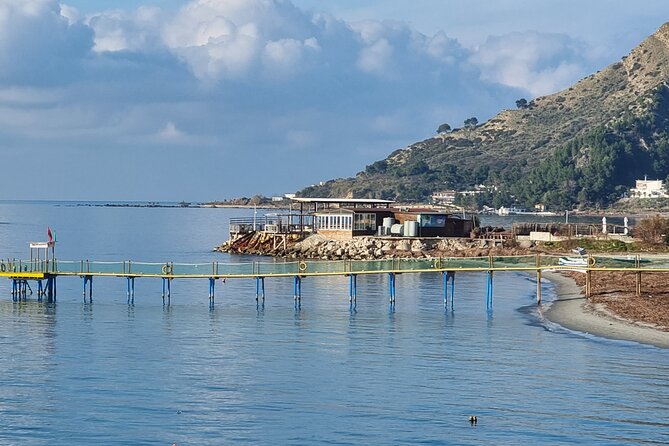
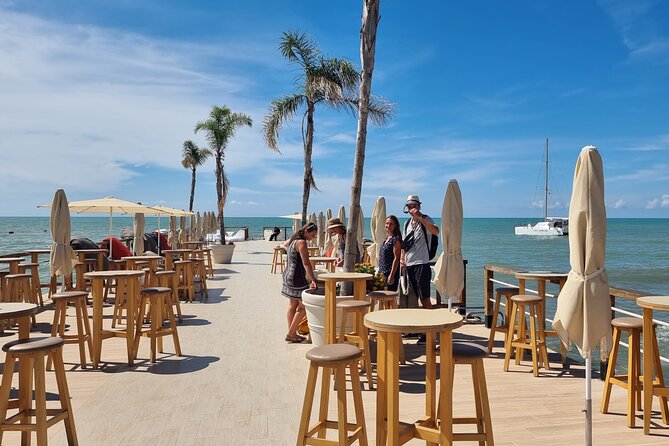
After the denser ruins and monuments, the tour gives you a breather: free time along the Durres Beach Promenade. You get about 30 minutes for a stroll by the Adriatic, plus time to grab a coffee at one of the many cafes or shops along the shore.
This break is more valuable than it sounds. When you are stacking Roman and Ottoman sites back-to-back, a quick sea air reset helps your brain absorb the details instead of just collecting them.
One practical point: because meals are not included, you might consider using this time strategically to buy a snack or light drink. Even if you do not eat, you will still want water if your body runs warm on site.
Berat Castle and Kala Quarter: Where Stone Streets Feel Like a Living Set
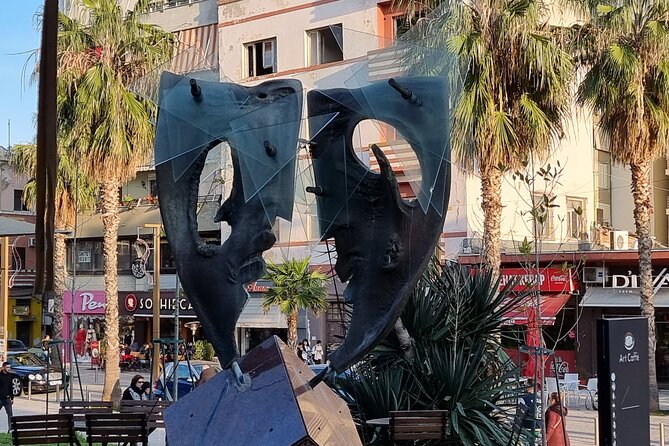
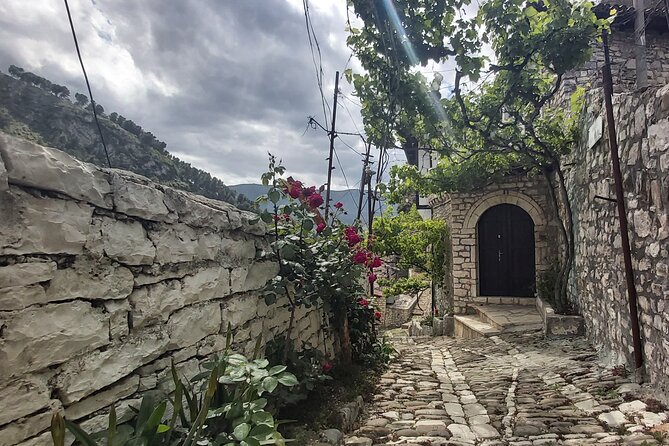
Then you head to Berat, a city arranged around elevation and view lines. The first major Berat stop is Berat Castle, with time to explore the Kala area just below the fortress walls. You will see a whitewashed, village-like neighborhood vibe, with quiet cobbled lanes and doors that open into courtyards. The feeling is that you are walking through someone’s everyday world, not a fenced-off theme park.
Your time here is around 40 minutes, and it is usually the part of the day that turns “tour mode” into “wander mode.” If you like photographing textures, walls, and street angles, you will have plenty to work with.
The tradeoff is simple: if you want lots of museum-grade explanations at every turn, this quarter is more about your pace and perception. You will get history context from the guide, but the neighborhood itself is the main show.
Onufri Museum: Icon Art That Makes Byzantine and Ottoman Faith Feel Close
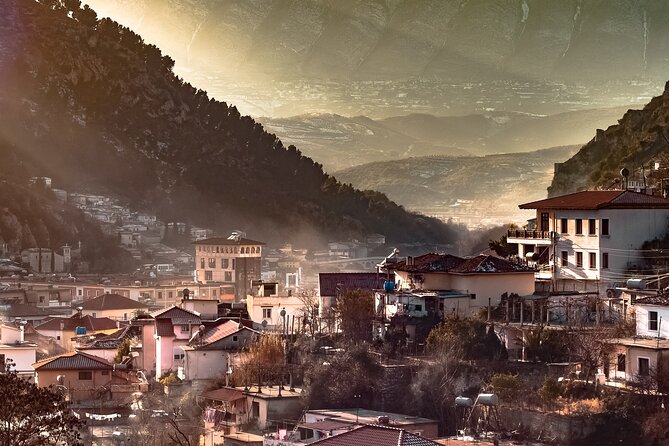
From the castle, you move into the church setting where the Onufri Museum is housed. It is in the Church of the Dormition of St Mary within the Kala quarter, and your stop includes time to see the collection. The museum holds about 200 artworks, including icons and liturgical objects spanning from the 14th to the 20th century.
You will see 16th-century religious paintings by prominent Albanian icon painters named Onufri, Nikolla (Onufri’s son), and Onufër the Cypriot. Even if you are not deep into iconography, the sheer craftsmanship is hard to ignore. This is one of the best stops for slowing down and getting meaning out of the day.
The church itself adds layers. It is described as dating to 1797 and built on earlier 10th-century chapel foundations, yet there is also mention of older Byzantine-era construction dating to the end of the 13th century, supported by an inscription naming Andronicus Paleologus. Translation: this building carries multiple eras, and the museum gives you a reason to notice.
Admission here is included, and that matters. It prevents the day from becoming a patchwork of extra payments and decisions.
King Mosque, Halveti Tekke, and Religious Sites Still in Use
Berat’s religious architecture makes the city feel alive, not just preserved.
You will visit the King Mosque, also known as the Sultan’s Mosque or Sultan Bayezid Mosque. It is described as one of Albania’s oldest mosques, built in the 15th century by Ottoman sultan Bayezid II, and tied to the Ottoman conquest of Berat in 1417. An Ottoman explorer, Evliya Çelebi (1611 to 1682), is referenced in the description of the mosque’s origins, with the oldest written record noted around 1431/32.
The mosque underwent a full rebuild during the 19th century to prevent collapse and remains an active worship site. Inside, there is a women’s gallery with intricate painted decorations and a wooden ceiling you will want to look up at.
Then you visit Halveti Tekke. This is a place of worship for Helveti Muslim mystics or dervishes. The small square building traces to the 15th century, then was rebuilt by Ahmet Kurt Pasha in 1782. A standout detail: columns used inside come from Apolonia ancient city, and there is a balcony designed for better sound quality during rituals.
From a visitor perspective, these stops are valuable because they are not only about decoration. They show how faith architecture functioned socially, acoustically, and historically, with features that served real community needs.
Mangalem Quarter and Gorica Bridge: The Berat Look You Came For
Berat’s famous neighborhoods show up in two places you should not rush.
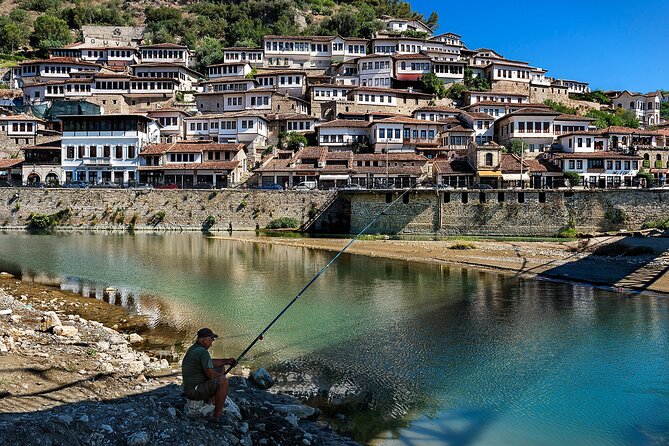
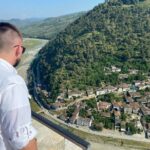
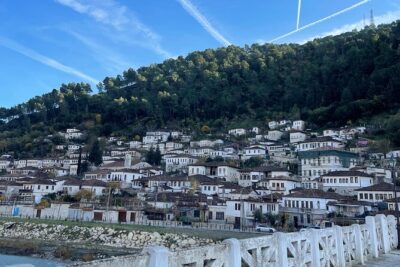
First is Mangalem Quarter, one of the oldest iconic districts in the city. It lies north of the Osumi River and south of Kala. Historically, it is identified as an Islamic Ottoman area, and the architecture still signals that influence through the white stone houses, terracotta tiles, wooden doors, and flowers near windows.
This is where you get the “City of 1000 Windows” nickname. The name comes from the abundance of large symmetrical windows along the rocky hillside.
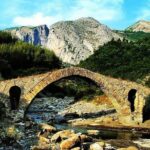
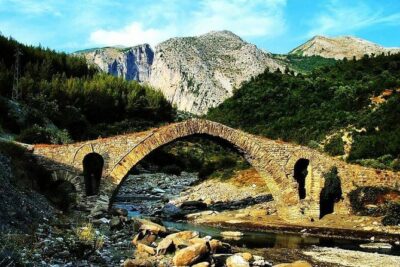
Next comes Gorica Bridge, a very photogenic Ottoman bridge spanning the Osumi riverbed. It has a gradual arch, about 10 meters tall, and stretches about 130 meters across, made of seven arches, with wooden railings and small “windows” that give the arches a face-like look. It takes only about 30 minutes, but it is one of those stops that feels fun rather than “study time.”
If you want the Berat aesthetic in a single view, aim your photos so you capture the bridge and the hillside buildings together when possible.
Price and Value: What $142.02 Buys for a Full-Day Route
At $142.02 per person, the value depends on how you prefer to travel.
You are paying for a packed day that includes pickup in Tirana, transport in an air-conditioned vehicle, a licensed guide, and bottled water listed as included. You also get admission coverage at key sites like the Roman Amphitheatre, Berat Castle, Onufri Museum, and several Ottoman-era monument stops. The tour caps at 12 travelers, so you usually get more coordination than on huge-group departures.
The downside is that this price is not buying you convenience around food. Meals and drinks are not included, so you should budget extra for lunch or snacks. And based on one past note, you might want to ask early about water, since at least one instance reported it was not handed over right away.
If you are booking in winter, plan for shorter daylight. One experience highlighted how shorter days can make it harder to fully enjoy a long itinerary. If you can choose, aim for months with longer daylight windows.
Who Should Book This Durres and Berat Day Trip
This tour fits best if you want one guide-led day that mixes major monuments and neighborhood walking without needing to plan intercity logistics.
You will likely enjoy it most if you like:
- Roman and Byzantine sites with clear context, not just ruins
- Icon art at Onufri Museum
- Ottoman-era architecture in Berat that is still in use
It might feel less ideal if you prefer totally unstructured time, or if you need frequent breaks that are not built into the schedule. In that case, you can still go, just pack your own snack plan and be proactive about bathroom stops.
Should You Book the Best of Berat and Durres Full Day Tour?
Yes, if you want a high-value day that connects Durres and Berat in a single, guided loop with major sites and included admissions. The strongest reason to book is the balance of big heritage landmarks and neighborhood texture, plus the interpretation value you get when your guide can connect the dots between the centuries.
I would not book this blindly if you are very sensitive to long days. Think about your snack and water needs, wear comfortable shoes, and remember that one past experience flagged limited bathroom breaks. If you’re flexible and plan ahead, this is a solid way to see two of Albania’s most compelling cities without the stress of routing yourself.
FAQ
How long is the Best of Berat and Durres Full Day Tour?
The tour runs about 8 to 9 hours, with travel time included.
Where do pickups happen?
Pickup is available from anywhere inside Tirana. You just need to communicate your pickup point after booking.
Is the tour offered in English?
Yes, it is offered in English.
Is bottled water included?
Bottled water is listed as included.
Are meals included?
No, meals and drinks are not included.
Which admissions are included?
Admission tickets are included for stops such as the Durres Roman Amphitheatre, Berat Castle, the Onufri Museum, and several of the Berat religious monuments listed with admission included.
How big is the group?
The tour has a maximum of 12 travelers.
What happens if weather is bad or I need to cancel?
The experience requires good weather. If it is canceled due to poor weather, you are offered a different date or a full refund. You can cancel for free up to 24 hours in advance for a full refund.
Durres and the Adriatic
Berat, Three More Ways

Every Albania Review We Have
Latest Albania reviews off the desk
- UNESCO heritage in Albania – 4 days
★ 5.0 · 3 reviews - Transfers Tirana Airport – Sarande – Ksamil – Airport Tirana
★ 4.5 · 3 reviews - Private Transfers from Tirana International Airport to Sarandë
★ 4.5 · 3 reviews - Tirana’s Communist Past: A Tasting Tour with Traditional Lunch
★ 5.0 · 3 reviews - Tirana ⇔ Ohrid, North Macedonia
★ 5.0 · 3 reviews - Tirana and Kruja in a Day Trip
★ 5.0 · 3 reviews
Berat Day Trips, compared.
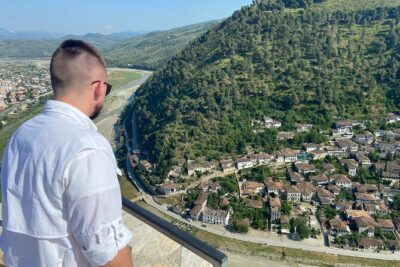 ★ 5.0Berat city UNESCO tour, the Castle & Belshi lake- From TiranaFrom $12804 reviews
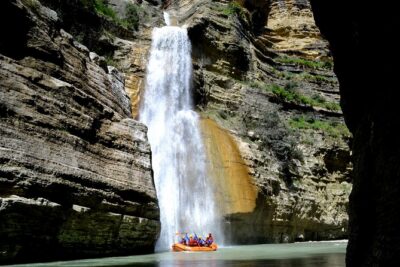 ★ 5.0Berat Rafting, Kayaking & River Tubing – Osumi CanyonsFrom $54336 reviews
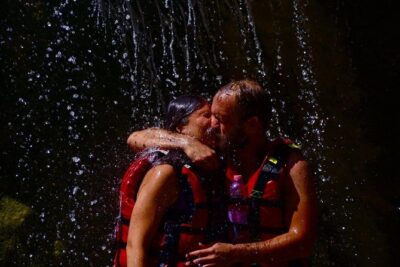
 ★ 4.5Berat-Durres and Belsh Lake, day tour from TiranaFrom $22274 reviews
 ★ 4.5Berat Tour Osumi Canyons Exploration Lunch TransferFrom $47212 reviews
 ★ 5.0Osumi Canyons and Bogova Waterfall from Berat – Tour by 1001 Albanian AdventuresFrom $72177 reviews
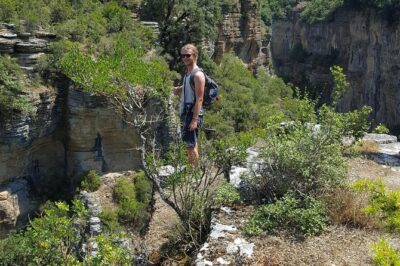 ★ 5.0Berat Osum Canyon & Bogove Waterfall TourFrom $70130 reviews
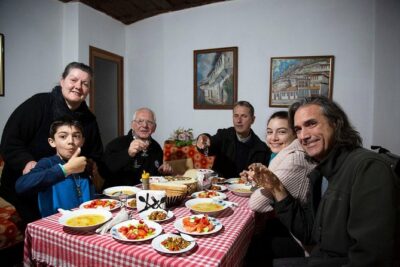 ★ 5.0Berat Cooking Class- Traditional Albanian Cooking Class /By VatoFrom $41120 reviews
 ★ 5.0From Tirana: Berat UNESCO & Belshi Lake Full-Day TourFrom $12118 reviews
Browse the lists this tour appears in